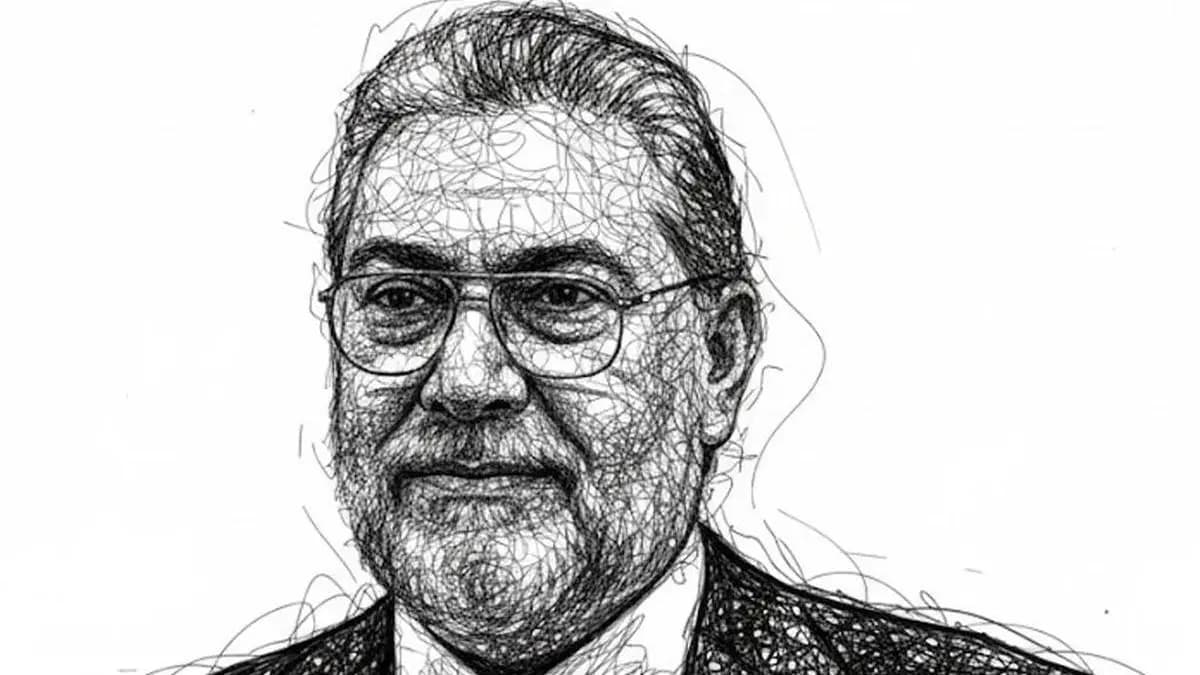
Mehli Mistry Seeks Appointment of Administrator in Sir Dorabji Tata Trust
Companies Mentioned
Why It Matters
The dispute could trigger regulatory scrutiny of one of India’s largest charitable foundations, potentially reshaping governance standards for corporate philanthropy. Stakeholders risk reputational damage and financial oversight if the allegations prove true.
Key Takeaways
- •Mistry filed petition seeking administrator for Sir Dorabji Tata Trust.
- •Alleged trustee Vijay Singh received ~₹20.13 crore ($2.4 M) from Tata group.
- •Conflict claim: Venu Srinivasan linked to Jaguar Land Rover consultancy.
- •Board appointments may violate Section 30A of Maharashtra Public Trust Act.
- •Mistry declines rejoining, demands honest trustees or an administrator.
Pulse Analysis
The Sir Dorabji Tata Trust, part of the Tata family’s philanthropic engine, manages billions of dollars in charitable assets across health, education and rural development. Its governance model has long been a benchmark for Indian trusts, but the recent filing by former trustee Mehli Mistry exposes cracks in that reputation. By invoking Section 30A of the Maharashtra Public Trust Act—legislation introduced in 2025 to curb perpetual trustee appointments—Mistry challenges the legality of the current board’s composition and raises questions about fiduciary compliance in high‑profile charitable entities.
Mistry’s allegations extend beyond procedural breaches. He accuses trustee Vijay Singh of siphoning roughly ₹20.13 crore (≈$2.4 million) in commissions from Tata group subsidiaries, a claim that, if substantiated, would constitute a stark violation of fiduciary duties. Additionally, the filing points to a potential conflict of interest involving Venu Srinivasan’s engagement with a Jaguar Land Rover consultant for Norton Motorcycles, suggesting that personal business interests may be influencing trust decisions. These accusations highlight the growing scrutiny of conflict‑of‑interest policies within corporate‑linked charities, where board members often wear multiple hats across conglomerates.
The broader implications for India’s charitable sector are significant. A regulator‑mandated administrator could set a precedent for external oversight of large trusts, prompting other foundations to reassess trustee selection and tenure policies. Investors, donors, and partner NGOs are likely to demand greater transparency, while the Tata Group may need to reinforce internal compliance frameworks to protect its brand. Ultimately, the outcome of this case could reshape how Indian philanthropy balances legacy governance with modern accountability standards.
Mehli Mistry seeks appointment of administrator in Sir Dorabji Tata Trust
Comments
Want to join the conversation?
Loading comments...