Michigan Lawmakers Propose Letting Voters Elect Utility Regulators
•March 9, 2026
0
Why It Matters
Electing utility regulators could reshape rate‑setting dynamics and increase political accountability in Michigan’s energy market. The proposal signals growing consumer pressure on utility governance nationwide.
Key Takeaways
- •Michigan bill proposes elected utility commissioners.
- •Commission would expand from three to five members.
- •Elections start 2028 with staggered four‑year terms.
- •Proposal aims to curb rising electricity rates.
- •Only ten states currently elect commissioners.
Pulse Analysis
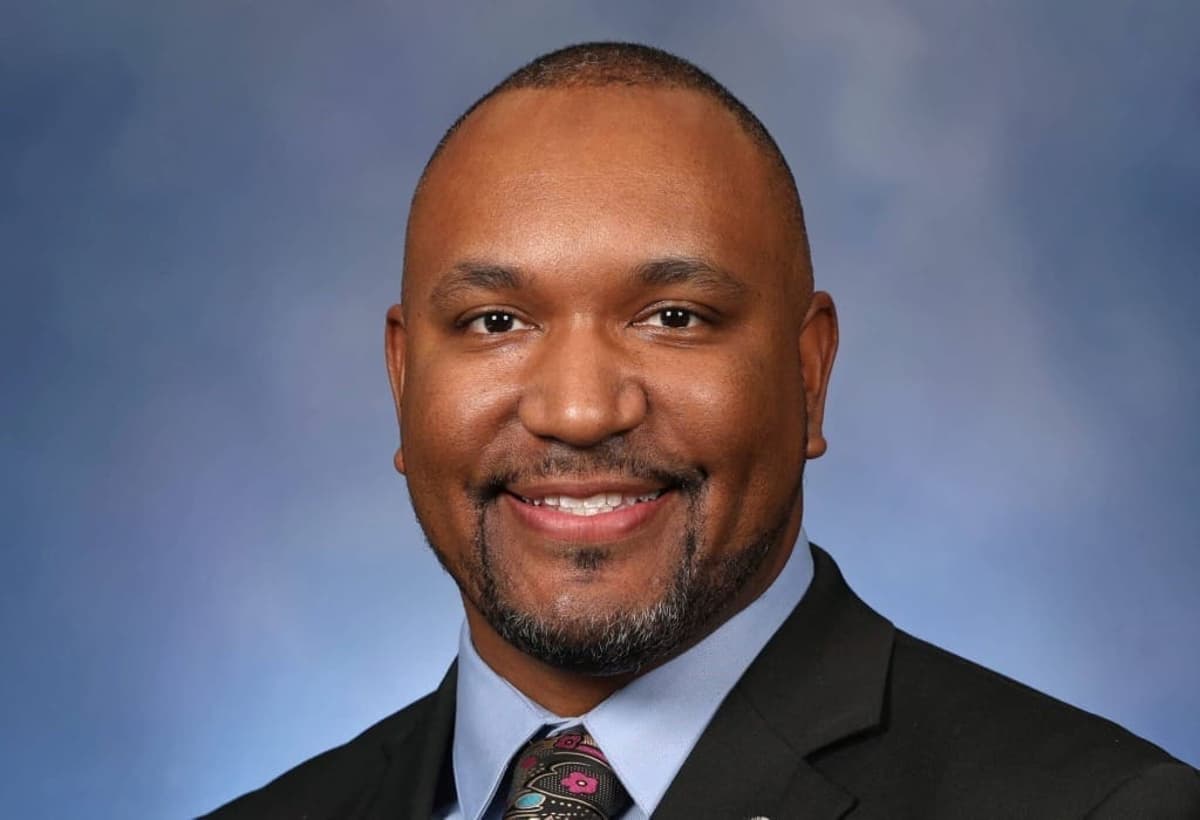
Michigan’s utility regulatory framework has long been a governor‑appointed system, with the Public Service Commission overseeing gas and electric rates. The newly introduced legislation seeks to democratize this oversight by expanding the commission to five members and subjecting the roles to statewide elections starting in 2028. Proponents, led by Democratic Rep. Jimmie Wilson Jr., argue that direct voter input will enhance transparency and curb the recent surge in electricity bills that have sparked public frustration. By moving the selection process to the ballot, the bill aims to align regulatory decisions more closely with consumer interests, while maintaining nonpartisan ballot placement to mitigate overt party influence.
Electing commissioners is a rarity; only ten states currently employ this model, with the majority relying on gubernatorial or legislative appointments. Advocates contend that voter‑chosen regulators could introduce market‑responsive policies, potentially leading to more competitive rate structures and heightened scrutiny of utility investments in infrastructure. Critics, however, warn that electoral pressures might prioritize short‑term cost concerns over long‑term reliability and grid modernization, especially in a politically polarized environment. Comparative analysis suggests that states with elected commissioners experience greater rate volatility, though they also report higher public engagement in utility matters.
The path to implementation faces significant hurdles. A constitutional amendment is required, demanding a statewide referendum after legislative approval, and the proposal encounters resistance from House Speaker Matt Hall, who favors curbing the commission’s authority instead of altering its composition. Stakeholders—including utility companies, consumer advocacy groups, and policymakers—should monitor the bill’s progress, the framing of the constitutional amendment, and potential legal challenges. The outcome could set a precedent for other states grappling with utility rate pressures and the balance between expert oversight and democratic accountability.
Michigan Lawmakers Propose Letting Voters Elect Utility Regulators
0
Comments
Want to join the conversation?
Loading comments...