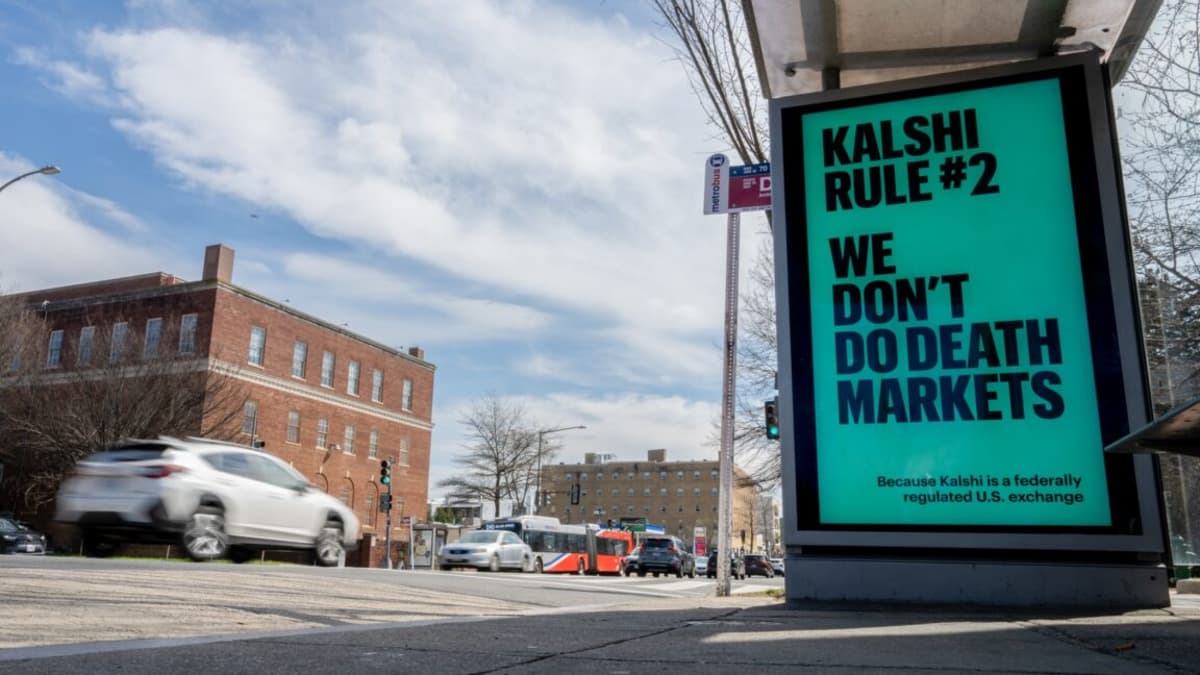
Minnesota Prohibits Prediction Markets, Promptly Gets Sued by Trump Admin
Companies Mentioned

Why It Matters
The outcome will determine whether states can regulate or criminalize prediction markets, directly affecting fintech platforms, agricultural hedging tools, and the broader derivatives ecosystem.
Key Takeaways
- •CFTC sues Minnesota over new felony ban on prediction markets
- •Law defines prediction markets broadly, covering sports to weather events
- •Case tests if event contracts qualify as swaps under federal law
- •NJ and Arizona rulings previously upheld CFTC’s exclusive jurisdiction
- •Minnesota cites addiction risks, targeting youth and low‑income groups
Pulse Analysis
The CFTC’s lawsuit against Minnesota revives a contentious legal frontier: who controls prediction markets that function as modern derivatives? While the state argues the ban protects vulnerable consumers from gambling‑like addiction, the federal agency contends that the Commodity Exchange Act already governs these contracts as swaps. By classifying event‑based wagers as derivatives, the CFTC seeks to preserve a uniform regulatory regime, preventing a patchwork of state bans that could fragment the emerging market for weather, election and other outcome‑based hedging products.
Recent appellate decisions in New Jersey and Arizona have bolstered the CFTC’s position, holding that contracts traded on registered exchanges fall under federal jurisdiction and cannot be criminalized by states. Those rulings, however, were narrow and split, leaving room for divergent interpretations across circuits. Minnesota’s law, with its sweeping definition that includes everything from sports scores to mass‑shooting outcomes, pushes the boundary further, forcing courts to decide whether such contracts meet the statutory definition of a swap. A ruling in favor of the CFTC could cement federal preemption, while a decision supporting Minnesota might empower states to impose stricter consumer‑protection measures.
Beyond the courtroom, the dispute has practical implications for market participants. Platforms like Kalshi and Polymarket, which have secured CFTC registration, rely on a clear regulatory framework to attract institutional capital and offer hedging tools to farmers, insurers and investors. A state‑level felony ban could deter innovation, limit risk‑management options for agricultural producers, and fragment liquidity across jurisdictions. Conversely, a robust federal oversight model could foster greater confidence among mainstream financial firms, encouraging broader adoption of prediction markets as a legitimate asset class. Stakeholders are watching closely, as the verdict will shape the future balance between consumer protection and market development in the fast‑growing derivatives space.
Minnesota prohibits prediction markets, promptly gets sued by Trump admin
Comments
Want to join the conversation?
Loading comments...