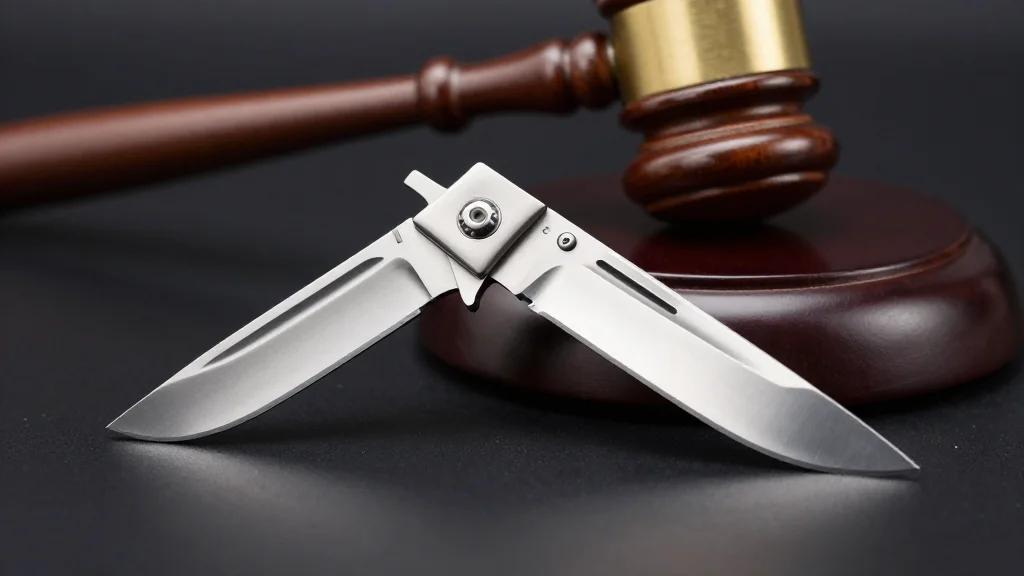
Minnesota Struggles to Justify Switchblade Ban in Court
Why It Matters
The ruling could reshape how courts interpret the Second Amendment for non‑firearm weapons, potentially prompting nationwide repeal of switchblade prohibitions. It also signals broader legal challenges to historic weapon bans that may affect the knife industry and public‑safety policies.
Key Takeaways
- •Federal judge questions Minnesota’s definition of “arm” under the Second Amendment.
- •Knife Rights argues switchblades are arms for self‑defense, citing Bruen precedent.
- •Minnesota defends ban by labeling switchblades “unusually dangerous” compared to handguns.
- •Only three states still ban switchblades, reflecting a national trend toward deregulation.
- •Massachusetts Supreme Court struck its 70‑year switchblade ban as unconstitutional in 2024.
Pulse Analysis
The Minnesota case spotlights the tension between traditional weapon regulations and the Supreme Court’s *New York State Rifle & Pistol Association v. Bruen* framework. By demanding that modern bans align with historical tradition, courts are forced to reassess whether knives, like switchblades, fit within the same constitutional protections afforded to firearms. Judge Schiltz’s questioning of the state’s “offensive‑only” rationale underscores a broader judicial willingness to view any arm capable of self‑defense as protected, regardless of its primary perception.
Across the United States, the legal landscape for switchblades is shifting. Massachusetts, Vermont, and Delaware have already invalidated long‑standing bans, and only three jurisdictions—Minnesota, New Mexico, and Washington D.C.—continue strict prohibitions. This trend reflects growing recognition that automatic knives are not statistically more dangerous than other common knives or even handguns. For manufacturers and retailers, the potential erosion of bans could open new market opportunities, while law‑enforcement agencies must balance public‑safety concerns with evolving constitutional interpretations.
The outcome of Minnesota’s suit may set a precedent for other states still enforcing switchblade restrictions. A ruling favoring Knife Rights could accelerate legislative rollbacks and influence federal challenges to the Federal Switchblade Act, which mirrors state bans. Conversely, a decision upholding the ban would reinforce the “unusually dangerous” argument and preserve a narrow class of weapon regulations. Stakeholders—from advocacy groups to policymakers—should monitor the case closely, as its ramifications extend beyond knives to the broader discourse on the scope of the Second Amendment in the modern era.
Minnesota struggles to justify switchblade ban in court
Comments
Want to join the conversation?
Loading comments...