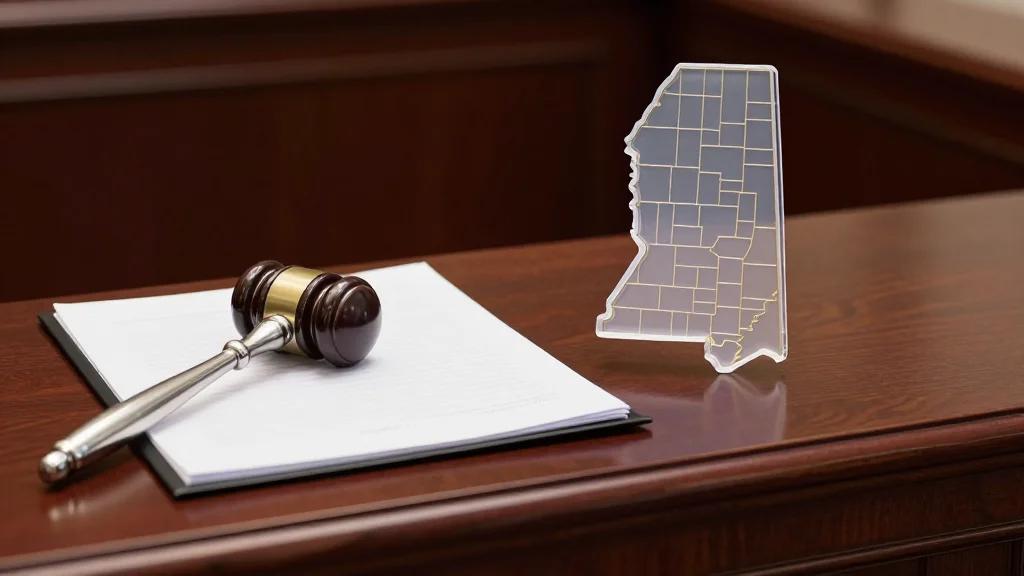
Mississippi Governor Calls Special Session to Redraw Supreme Court Districts Ahead of SCOTUS Vote

Why It Matters
The redrawing of Mississippi’s Supreme Court districts sits at the nexus of state judicial independence and federal voting‑rights enforcement. A new map could cement a partisan tilt that influences rulings on civil‑rights cases, criminal justice reforms, and election disputes for years to come. Moreover, the case highlights how state leaders are leveraging pending Supreme Court decisions to shape their own electoral maps, a tactic that could accelerate partisan gerrymandering if the Court curtails Section 2 protections. If the Supreme Court narrows the Voting Rights Act, Mississippi’s pre‑emptive redistricting could become a model for other Southern states seeking to lock in favorable district lines before new legal constraints are imposed. Conversely, a decision upholding Section 2 would likely force the state to adopt more equitable maps, potentially opening the door for Black candidates to win Supreme Court seats and altering the ideological balance of the court.
Key Takeaways
- •Gov. Tate Reeves calls a special legislative session to redraw Mississippi Supreme Court districts.
- •Session scheduled for 21 days after the U.S. Supreme Court decides Louisiana v. Callais.
- •Federal Judge Sharion Aycock ruled the current three districts, unchanged since 1987, violate Section 2 of the Voting Rights Act.
- •Civil‑rights groups (ACLU, SPLC) have submitted three alternative district proposals; the state has not responded.
- •If the legislature fails again, Judge Aycock may impose a map and order special elections for 2026.
Pulse Analysis
Reeves’ maneuver reflects a broader shift among Republican governors to pre‑emptively shape electoral maps in anticipation of a potentially weakened Voting Rights Act. By anchoring the redistricting timeline to the Supreme Court’s decision, Mississippi aims to claim procedural legitimacy while still influencing the political outcome. This approach mirrors tactics seen in Texas and Louisiana, where state officials have already begun drafting new congressional maps under the assumption that Section 2 may be gutted.
Historically, Mississippi’s Supreme Court has been a gatekeeper for voting‑rights litigation, and its composition matters for future challenges to the state’s election laws. A map that consolidates white‑majority districts could entrench the current racial makeup of the court, limiting the likelihood of Black justices being elected without gubernatorial appointments. The governor’s rhetoric about “equality” and “offensive assumptions” is a calculated appeal to moderate voters, but the underlying strategy is unmistakably partisan.
Looking ahead, the legal battle will likely intensify once the Supreme Court issues its opinion. If the Court upholds Section 2, Mississippi will be forced to adopt a more balanced map, potentially reshaping the court’s demographic profile and influencing upcoming civil‑rights cases. If the Court narrows the Act, the state’s pre‑emptive map could become a template for other red states, accelerating a wave of partisan redistricting that could reverberate through the 2028 election cycle and beyond.
Mississippi Governor Calls Special Session to Redraw Supreme Court Districts Ahead of SCOTUS Vote
Comments
Want to join the conversation?
Loading comments...