Mississippi Judge Rules Private Oyster Lease Scheme Is Unconstitutional
Why It Matters
The decision preserves public access to vital oyster resources, protecting livelihoods of commercial fishers and upholding constitutional property rights. It also signals legal limits on privatizing coastal ecosystems, influencing policy debates nationwide.
Key Takeaways
- •Mississippi court declares private oyster lease law unconstitutional
- •Permanent injunction stops new leases on natural oyster reefs
- •Commercial fishers retain public right to harvest from 7,277 acres
- •Law deemed vague; “permitted areas” term deemed ambiguous
Pulse Analysis
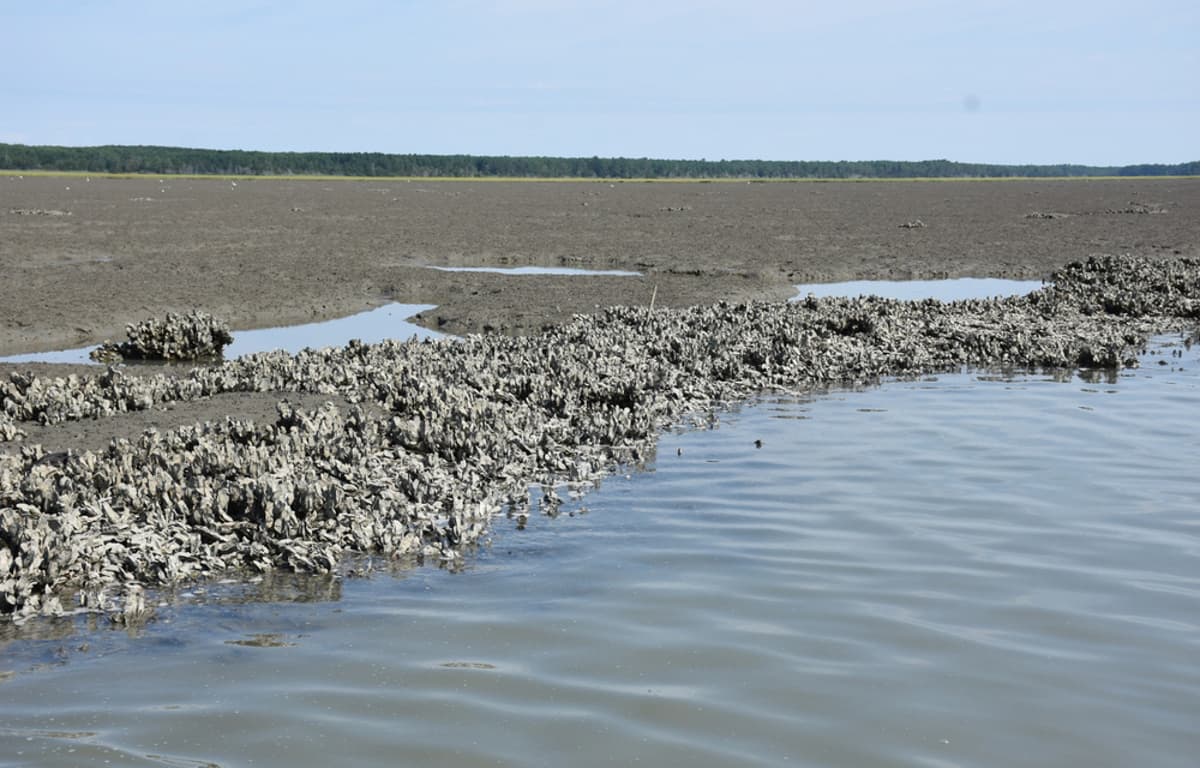
Mississippi’s recent legal showdown over oyster leasing underscores a growing tension between private investment and public resource rights. The state’s 2024 legislation aimed to boost the shellfish industry by allowing private entities to lease up to 80 percent of on‑bottom oyster reefs. Proponents argued that market‑driven development would increase production and support coastal economies. However, the law’s language—particularly the undefined “permitted areas”—proved problematic, prompting commercial fishers to claim it infringed on constitutionally guaranteed harvesting rights. Judge Jim Persons’ ruling not only invalidated the scheme but also highlighted the importance of clear statutory language when public resources are at stake.
For the fishing community, the injunction is a lifeline. Mississippi’s commercial harvesters depend on roughly 7,277 acres of publicly accessible reefs, and the court’s decision ensures those waters remain open. While the state can still renew existing leases on mud‑bottom sites, the prohibition on new leases over natural reefs protects a critical income source for thousands of families. The ruling may also force the Department of Marine Resources to explore alternative, collaborative management models that balance economic growth with sustainable stewardship, such as co‑management agreements or community‑owned lease structures.
The broader implications extend beyond the Gulf Coast. As coastal states grapple with habitat degradation and the need for investment, Mississippi’s case serves as a cautionary tale about the limits of privatization. Courts may increasingly scrutinize policies that appear to transfer public trust assets into private hands without clear public benefit. Lawmakers elsewhere are likely to revisit lease language and ensure compliance with constitutional provisions, potentially shaping a new wave of transparent, inclusive marine resource governance across the United States.
Mississippi judge rules private oyster lease scheme is unconstitutional
Comments
Want to join the conversation?
Loading comments...