Mississippi Jury Acquits Engineer Accused of Lying About 2017 Military Plane Crash
•March 10, 2026
0
Why It Matters
The acquittal raises questions about accountability for military maintenance oversight and may influence future investigations of aircraft safety failures.
Key Takeaways
- •Jury found engineer not guilty of false statements
- •Crash killed 16 Marines and a Navy corpsman
- •Propeller blade defect blamed for 2017 KC‑130T disaster
- •Case highlights challenges in military maintenance accountability
Pulse Analysis
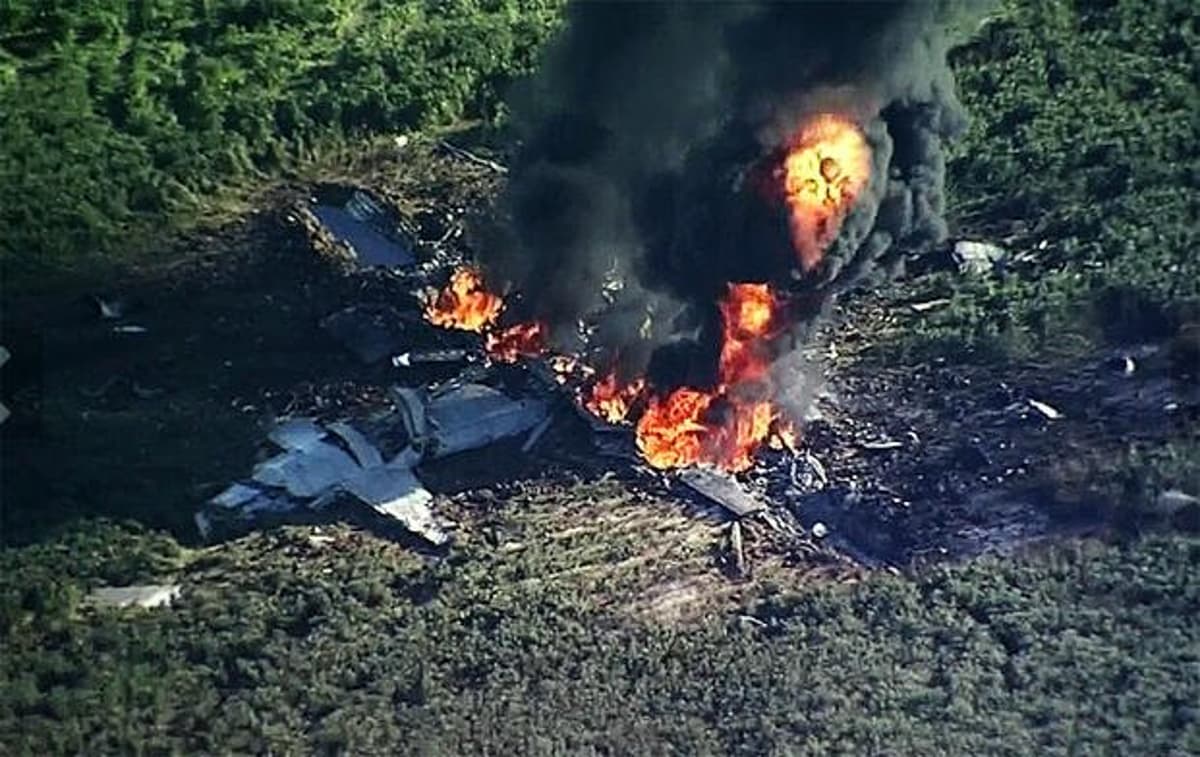
The July 10, 2017 KC‑130T crash near Itta Bena, Mississippi, remains one of the deadliest Marine Corps air disasters in recent memory. Investigators traced the catastrophe to a cracked, corroded propeller blade that fractured in flight, sending the aircraft into a fiery descent that claimed 16 service members. The incident forced the Marine Corps, Navy and Air Force to temporarily ground portions of their C‑130 fleets while they inspected and replaced suspect blades. The tragedy also sparked a prolonged debate over the adequacy of military aircraft maintenance protocols and the transparency of inspection records.
The federal trial that concluded in March 2026 centered on former propulsion engineer James Michael Fisher, who was charged with lying to investigators about changes to propeller‑inspection procedures and obstructing justice. Prosecutors argued Fisher’s testimony concealed a systematic effort to shift blame onto civilian technicians, citing roughly thirty procedural modifications between 2008 and 2017. Fisher’s defense countered that the authorization documents originated elsewhere and that the blade failure could have resulted from multiple, unrelated oversights. After eight days of testimony, the jury acquitted him, underscoring the difficulty of proving intent in complex aerospace safety cases.
The acquittal may reverberate through defense acquisition and oversight circles, prompting agencies to reassess how maintenance records are audited and how liability is assigned when technical failures occur. While the crash led to temporary grounding of C‑130 fleets and accelerated replacement of aging propeller blades, the legal outcome could temper future prosecutions of senior engineers absent clear documentary evidence. Industry stakeholders are likely to push for more robust, digitized inspection tracking to prevent similar ambiguities. Ultimately, the case highlights the delicate balance between operational readiness, engineering accountability, and the legal standards governing military aviation safety.
Mississippi Jury Acquits Engineer Accused of Lying about 2017 Military Plane Crash
0
Comments
Want to join the conversation?
Loading comments...