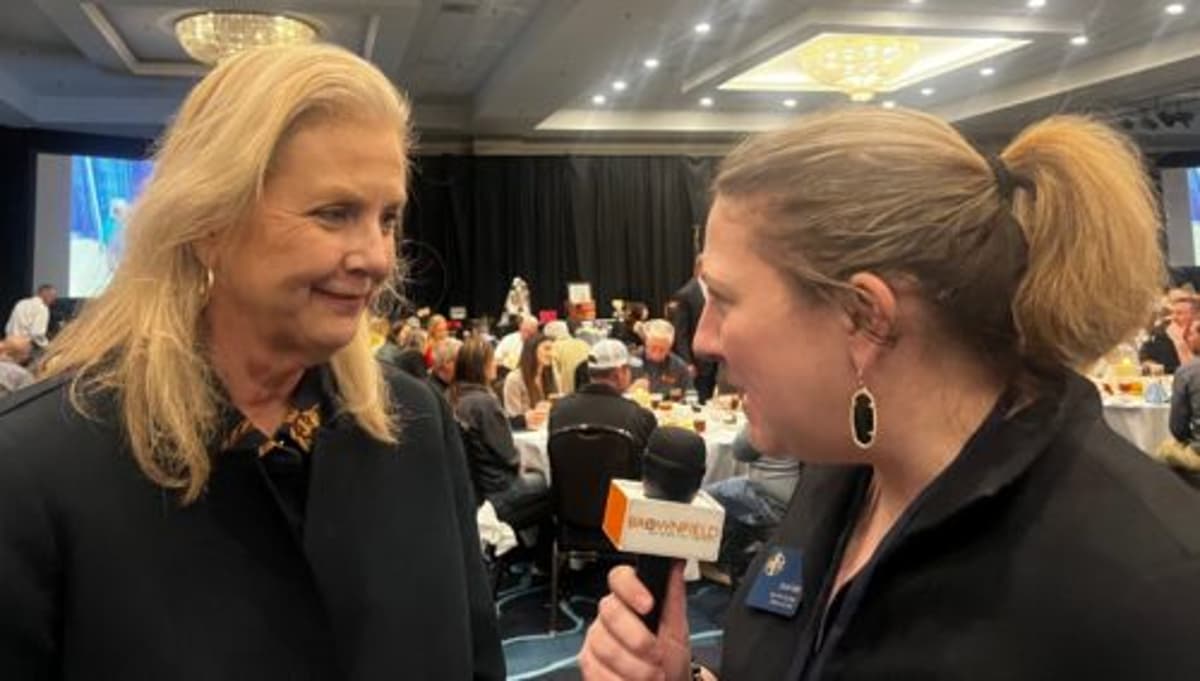
Missouri AG Says Congress or SCOTUS Must Address State Livestock Rules
Why It Matters
A Supreme Court ruling or congressional action could create a uniform national standard, protecting livestock producers from a patchwork of state regulations and preserving access to major markets like California.
Key Takeaways
- •24 states filed amicus urging SCOTUS review Triumph Foods case
- •Massachusetts Question 3 and California Prop 12 limit out‑of‑state pork
- •SCOTUS upheld Prop 12 in 2022, leaving no national rule
- •House farm bill would let Congress cap state livestock mandates
- •Missouri AG warns market loss without a uniform federal standard
Pulse Analysis
The Dormant Commerce Clause has long served as a constitutional brake on state laws that impede interstate trade, and it is now at the center of a brewing conflict over livestock standards. States such as Massachusetts and California have enacted stringent animal‑welfare rules—Question 3 and Proposition 12—that dictate cage‑free housing and space requirements for pork producers. While intended to improve animal treatment, these mandates ripple across state lines, forcing out‑of‑state farms to redesign facilities or forfeit access to lucrative markets, a dynamic that has drawn the attention of the agricultural lobby and state attorneys general alike.
Legal precedent adds another layer of complexity. In National Pork Producers Council v. Ross (2022), the Supreme Court upheld California’s Prop 12 but stopped short of issuing a nationwide rule, leaving the door open for future challenges. The current petition, Triumph Foods v. Campbell, asks the Court to clarify whether such state‑level mandates overstep the Dormant Commerce Clause. A 24‑state coalition, led by Missouri’s AG, has filed an amicus brief urging the Court to intervene, arguing that the patchwork of regulations creates an uneven playing field and threatens the economic viability of producers in states like Missouri, Arkansas, and Kansas.
Meanwhile, legislative efforts in Washington aim to pre‑empt the judicial showdown. The House‑passed farm bill includes language that would grant Congress authority to set limits on what individual states can require of out‑of‑state farmers seeking to sell food across state lines. If enacted, this provision could establish a federal baseline, curbing the most burdensome state rules while preserving states’ ability to address genuine animal‑welfare concerns. For the pork industry, the outcome—whether judicial or legislative—will shape supply chains, pricing, and market access for years to come, making the stakes high for producers, consumers, and policymakers alike.
Missouri AG says Congress or SCOTUS must address state livestock rules
Comments
Want to join the conversation?
Loading comments...