Murder, She Wrote: Ex-FBI Chief Wants some Ransomware Crims Charged with Homicide

Why It Matters
Treating ransomware as homicide raises the stakes for cybercriminals and could deter attacks that endanger lives, while funding cuts risk reversing gains in national cyber resilience.
Key Takeaways
- •Kaiser urges DOJ to apply felony murder law to ransomware attacks
- •At least 47 hospital ransomware deaths recorded 2016‑2021, likely now hundreds
- •President’s 2027 budget proposes cutting CISA funding by $707 million
- •CISA workforce shrank by ~1,000 staff, halting pre‑ransomware alerts
- •Pre‑ransomware notifications prevented roughly $9 billion in losses
Pulse Analysis
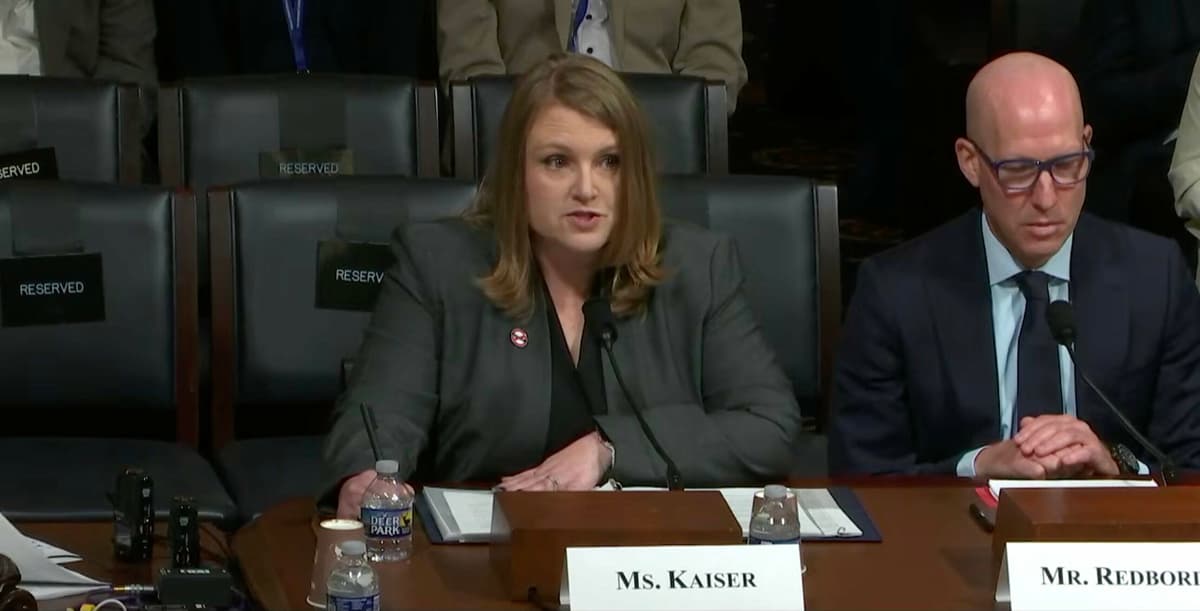
Ransomware’s infiltration of hospital networks has moved beyond data theft to a public‑health crisis. When attackers lock down electronic medical records, delays in treatment can be fatal, a reality underscored by a University of Minnesota study linking at least 47 deaths to such incidents between 2016 and 2021. Former FBI cyber‑division leader Cynthia Kaiser argues that existing felony‑murder statutes— which punish dangerous felonies causing death— provide a legal pathway to hold ransomware operators accountable, potentially adding homicide charges to their arsenal of penalties.
The push for harsher penalties coincides with a troubling fiscal retreat. The administration’s 2027 budget proposes a $707 million reduction to CISA, the agency that coordinates federal‑state cyber defenses. Coupled with a loss of roughly 1,000 staff members, the cuts have stalled the Pre‑Ransomware Notification program, which once warned over 4,300 organizations and prevented about $9 billion in losses. Without these early alerts, hospitals and local governments become softer targets, amplifying the risk of service disruptions that can cost lives.
Policymakers now face a dual challenge: restoring funding and legal tools to deter cyber extortion while ensuring rapid information sharing. Reauthorizing the Cybersecurity Information Sharing Act and designating repeat hospital attackers as terrorist threats could strengthen both deterrence and response. If Congress embraces homicide provisions, ransomware groups may confront a new level of liability, reshaping the threat landscape and compelling attackers to weigh the ultimate cost of targeting critical health infrastructure.
Murder, she wrote: Ex-FBI chief wants some ransomware crims charged with homicide
Comments
Want to join the conversation?
Loading comments...