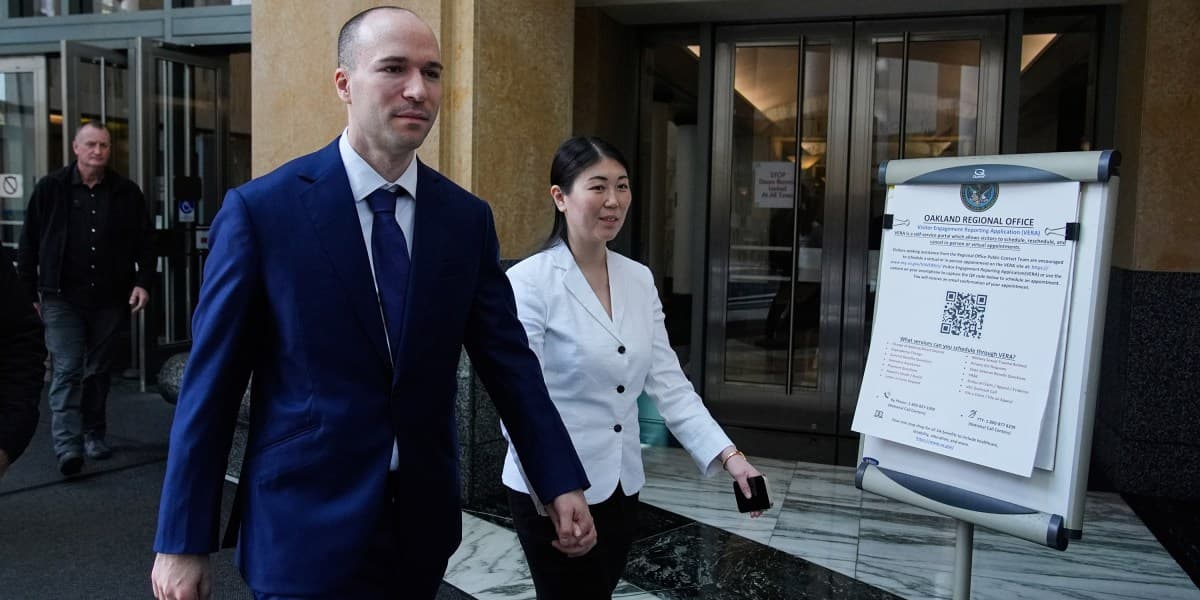
Musk V. Altman Week 2: OpenAI Fires Back, and Shivon Zilis Reveals that Musk Tried to Poach Sam Altman
Why It Matters
The trial could force a major restructuring of OpenAI, impacting its IPO timeline and the competitive balance among AI giants, while setting precedents for governance and founder disputes in high‑stakes tech ventures.
Key Takeaways
- •Musk claims $38M donation was induced by false nonprofit pledge
- •Brockman testifies Musk pushed for for‑profit arm and sought control
- •Shivon Zilis reveals Musk tried to poach Altman for Tesla AI lab
- •Musk seeks up to $134B damages, threatening OpenAI’s IPO plans
- •Trial outcome could reshape AI governance and valuation of AI firms
Pulse Analysis
The second week of the Musk v. Altman trial has shifted from Musk’s opening statements to a direct clash of narratives. While Musk maintains he was duped into a $38 million contribution based on a promise to keep OpenAI strictly nonprofit, Greg Brockman’s testimony paints a different picture: Musk allegedly championed the creation of a for‑profit subsidiary and demanded near‑absolute control. This reversal underscores the strategic stakes for Musk, who now seeks to unwind OpenAI’s 2023 restructuring that turned its for‑profit arm into a public‑benefit corporation, and to extract up to $134 billion in damages from OpenAI and its chief investor, Microsoft.
Beyond the courtroom drama, the dispute reverberates through the broader AI ecosystem. OpenAI’s anticipated IPO, projected at close to $1 trillion, hinges on investor confidence in its governance and mission integrity. A ruling that forces a reversal of the public‑benefit status could delay or derail the offering, reshaping capital flows toward rivals such as Google DeepMind, Anthropic, and Musk’s own xAI. Moreover, the case highlights the growing tension between nonprofit ideals and the massive capital required to develop artificial general intelligence, a tension that may prompt other AI startups to reevaluate their corporate structures and funding strategies.
Looking ahead, the trial’s outcome will likely set legal precedents for founder disputes and the enforceability of mission‑driven charters in the tech sector. If the jury sides with Musk, it could embolden investors to demand greater control over AI firms, potentially accelerating consolidation as companies seek protective alliances. Conversely, a verdict favoring OpenAI would reinforce the legitimacy of hybrid nonprofit‑for‑profit models, encouraging continued private investment while preserving stated public‑benefit goals. Stakeholders—from venture capitalists to regulators—are watching closely, as the decision may define the balance of power in the next wave of AI innovation.
Musk v. Altman week 2: OpenAI fires back, and Shivon Zilis reveals that Musk tried to poach Sam Altman
Comments
Want to join the conversation?
Loading comments...