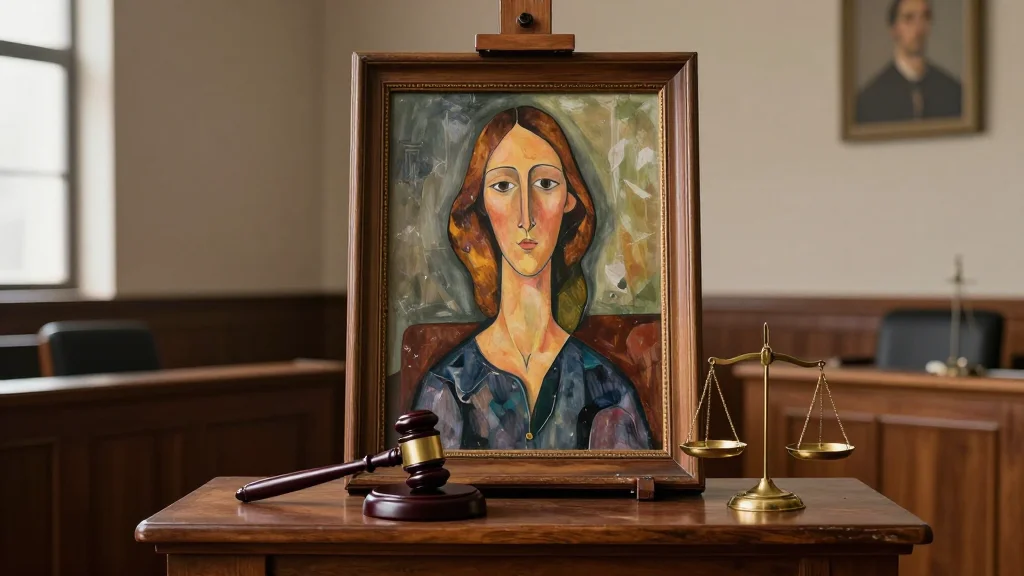
Nahmad Seeks to Reopen Modigliani Restitution Case With New Witnesses
Why It Matters
The challenge could overturn a multi‑million‑dollar restitution ruling, reshaping ownership rights and market confidence in provenance‑heavy artworks. It underscores how fresh testimony can alter high‑stakes art‑law outcomes.
Key Takeaways
- •Nahmad claims original Modigliani was misidentified, prompting case reopening
- •Two new witnesses describe a smaller, darker Modigliani lacking a cane
- •Court previously awarded painting to Oscar Stettiner’s estate, valuing it over $25 million
- •Mondex argues no evidence links alternate work to wartime‑looted painting
- •Appeal notice filed, extending legal battle over WWII‑era art claims
Pulse Analysis
The restitution of artworks seized during World II has become a defining legal frontier for museums, dealers, and heirs. Provenance research, often hampered by incomplete archives, can hinge on a single eyewitness account or a wartime inventory. In the Nahmad‑Stettiner dispute, the New York court’s April ruling affirmed that Amedeo Modigliani’s *Seated Man with a Cane* was looted and should revert to the Stettiner estate, a decision that underscores the judiciary’s willingness to enforce historical justice despite decades‑long gaps in ownership records. These cases also influence insurance underwriting for cultural assets.
Nahmad’s legal team is leveraging two newly identified witnesses who recall a smaller, darker Modigliani that never featured a seated figure or a cane, suggesting the painting under dispute may be a misidentified work. They also cite a 1946 report describing the missing piece as a self‑portrait and a fresh catalogue raisonné by Marc Restellini that finds no link to the Stettiner family. If the court accepts this evidence, the $25 million valuation could be challenged, potentially reshaping market confidence in high‑profile provenance claims and dealer due‑diligence practices. Such challenges often trigger secondary market price volatility.
The appeal filed by Nahmad signals that restitution battles will extend beyond initial judgments, prompting collectors to reassess risk exposure on artworks with contested wartime histories. Courts are increasingly scrutinizing archival documentation and expert testimony, which may encourage more transparent provenance disclosures across the art market. For institutions and private buyers, the case highlights the financial and reputational stakes of acquiring pieces without airtight ownership trails, potentially accelerating industry‑wide initiatives to digitize looted‑art databases and standardize restitution protocols. Stakeholders are watching the outcome for precedent‑setting guidance.
Nahmad Seeks to Reopen Modigliani Restitution Case With New Witnesses
Comments
Want to join the conversation?
Loading comments...