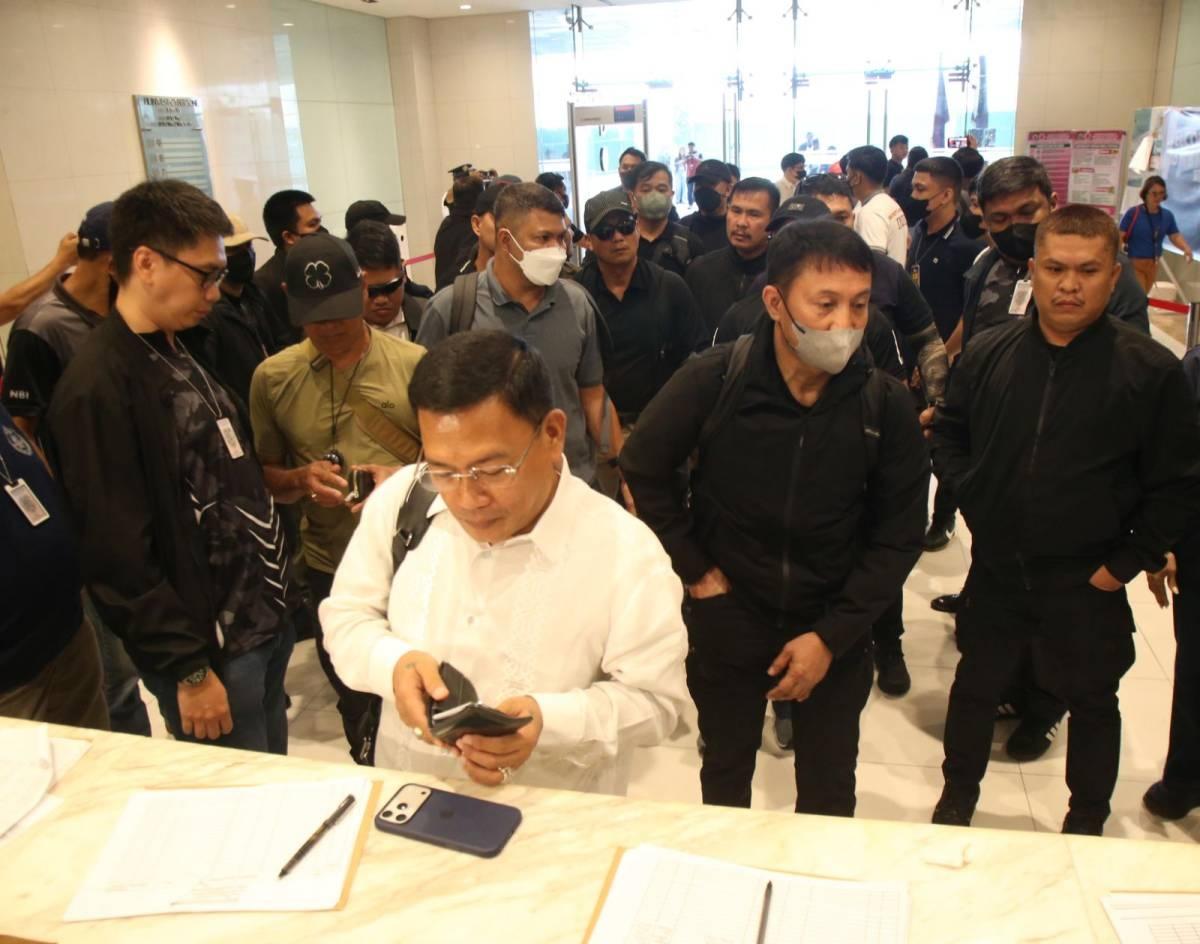
NBI Receives Sworn Statements Alleging Baligod Influenced Selection of Lawmakers in PDAF Probe
Why It Matters
If the allegations prove credible, they could expose political interference in one of the Philippines’ biggest graft investigations, potentially reshaping the probe’s scope and accountability for implicated legislators. The development also tests the NBI’s capacity to enforce impartiality amid high‑profile legal battles.
Key Takeaways
- •NBI received two sworn statements implicating lawyer Levito Baligod
- •Witnesses claim Baligod helped select lawmakers for PDAF probe phases
- •Affidavits dispute Baligod’s claim of resigning from whistleblower’s counsel
- •Statements will be entered into NBI case records for evaluation
- •PDAF scandal remains Philippines’ largest alleged corruption case
Pulse Analysis
The Priority Development Assistance Fund scandal, uncovered in 2013, remains the Philippines’ most extensive alleged misuse of public money, involving billions of pesos funneled through phantom NGOs to benefit legislators. While dozens of lawmakers have faced charges, the investigation has been punctuated by legal wrangling and claims of selective prosecution. Understanding the scandal’s magnitude provides essential context for why any perceived manipulation of the probe’s focus draws intense scrutiny from both domestic watchdogs and international observers.
The National Bureau of Investigation’s receipt of two sworn statements marks a notable procedural step. Both witnesses, protected under the Department of Justice’s Witness Protection Program, allege that lawyer Levito Baligod played a behind‑the‑scenes role in determining which legislators would be named in subsequent investigative phases. By challenging Baligod’s narrative of a voluntary resignation from whistleblower Benhur Luy’s counsel, the affidavits introduce a potential conflict of interest that could compromise the probe’s integrity. If corroborated, these claims may prompt the NBI to revisit earlier evidence, expand its inquiry, or refer new leads to the Office of the Ombudsman.
Beyond the immediate legal ramifications, the development underscores broader challenges in the Philippines’ anti‑corruption architecture. Persistent allegations of political interference erode public confidence and can deter future whistleblowers. Moreover, the NBI’s handling of the affidavits will signal to the business community whether the rule of law can withstand elite pressure, influencing foreign investment decisions that hinge on governance stability. As the PDAF case continues to evolve, stakeholders will watch closely for any shift toward greater transparency and accountability in the nation’s fight against entrenched graft.
NBI receives sworn statements alleging Baligod influenced selection of lawmakers in PDAF probe
Comments
Want to join the conversation?
Loading comments...