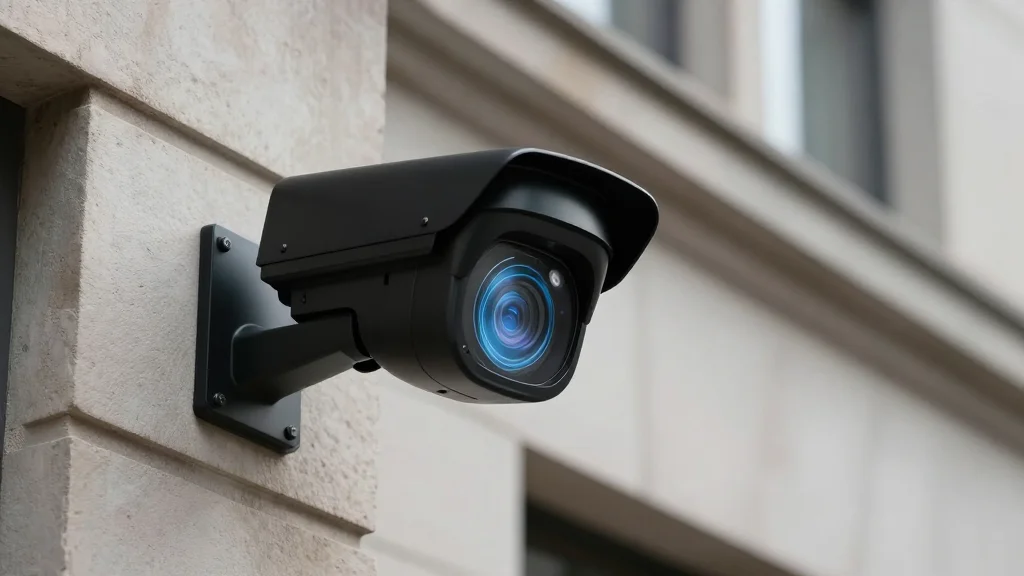
Nevada Man Sues Reno Over AI Facial‑Recognition Arrest, Citing Systemic Misuse

Why It Matters
The Killinger lawsuit spotlights the legal risks municipalities face when deploying AI surveillance without robust safeguards. A ruling against Reno could set a precedent that cities are financially responsible for wrongful arrests caused by algorithmic errors, compelling law‑enforcement agencies to adopt stricter validation, transparency, and training standards. Moreover, the case amplifies broader civil‑rights concerns about facial‑recognition bias, potentially accelerating state and federal legislative action to regulate biometric policing tools. Beyond Nevada, the case may influence how private vendors contract with local governments, prompting the inclusion of accuracy guarantees and liability clauses. As AI becomes more embedded in public safety, the legal landscape will increasingly determine whether technology serves as a tool for protection or a source of systemic injustice.
Key Takeaways
- •Jason Killinger sues Reno after a facial‑recognition camera led to a 12‑hour wrongful arrest.
- •The lawsuit adds the city as a defendant, alleging “thousands of unlawful arrests” due to AI misuse.
- •Quote: “Jager’s conduct was not a sporadic incident… but the result of a widespread custom and practice….”
- •Potential liability could expose Reno taxpayers to multi‑million‑dollar damages.
- •The case may trigger new Nevada legislation regulating law‑enforcement use of biometric technology.
Pulse Analysis
The Reno lawsuit arrives at a tipping point where AI’s promise of efficient policing collides with its propensity for error. Historically, facial‑recognition deployments have been marred by false positives—most famously the 2018 Detroit case where an innocent man was detained for weeks. Killinger’s claim that the technology produced “thousands of unlawful arrests” suggests a systemic failure rather than a one‑off glitch, raising the stakes for municipal accountability.
From a market perspective, vendors supplying these systems could see a shift toward performance‑based contracts that embed indemnification clauses. Cities may demand third‑party audits and real‑time error‑rate reporting, driving a new niche for AI‑ethics compliance firms. Meanwhile, civil‑rights organizations are likely to leverage this case to galvanize public opinion and push for stricter oversight, echoing the momentum behind the Illinois Biometric Information Privacy Act and similar statutes.
Looking ahead, the litigation could catalyze a cascade of lawsuits in other jurisdictions, especially as more jurisdictions adopt AI‑driven surveillance. If Reno is held liable, it will send a clear message: municipalities must treat AI as a high‑risk tool, subject to the same due‑process safeguards that govern traditional policing methods. This could reshape the legal calculus for AI adoption in the public sector, prompting a more cautious, transparency‑first approach that balances security benefits against civil‑liberties risks.
Nevada Man Sues Reno Over AI Facial‑Recognition Arrest, Citing Systemic Misuse
Comments
Want to join the conversation?
Loading comments...