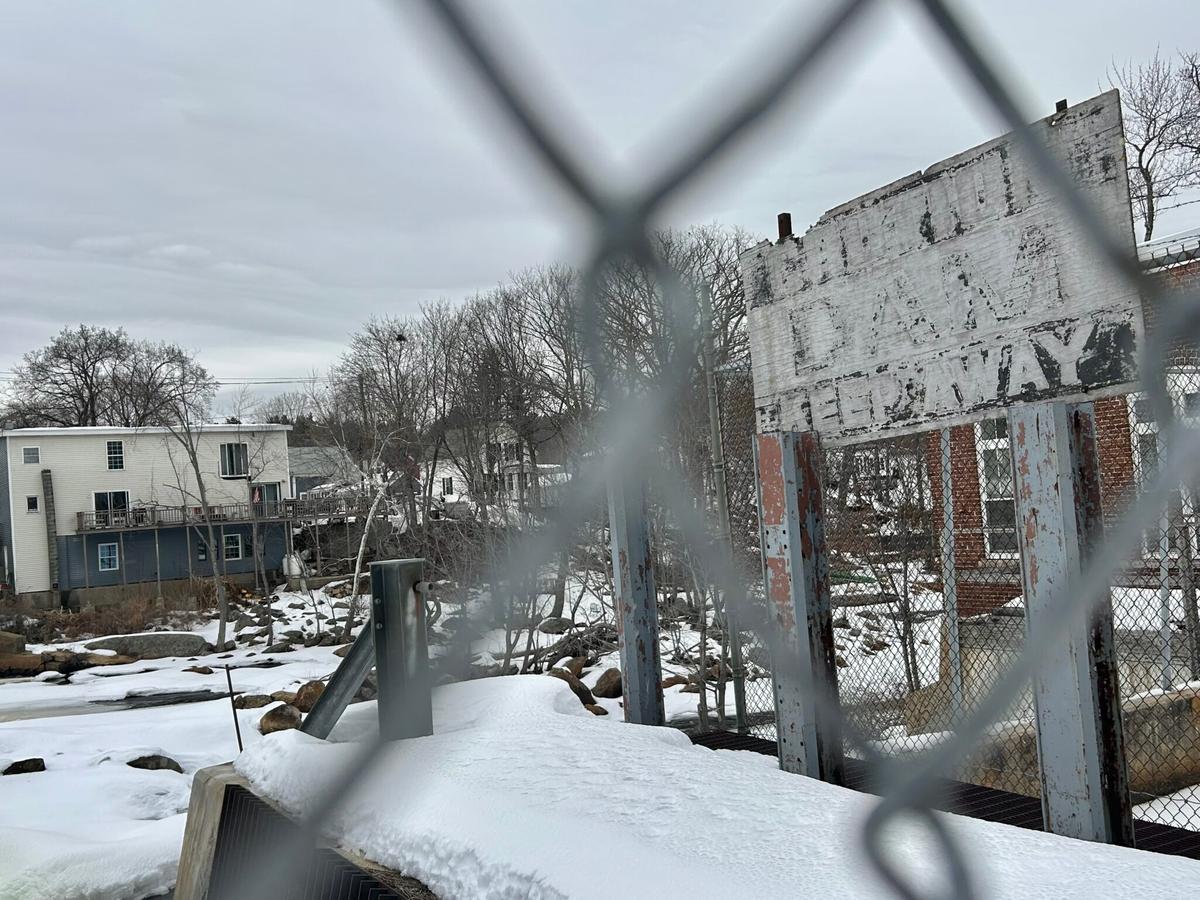
New Hampshire Lawmakers Agree the State’s Aging Dams Are a Problem but Are Divided over Who Should Pay
•March 9, 2026
0
Why It Matters
Closing the multi‑hundred‑million‑dollar funding gap is critical for public safety, property values, and recreation, and the fee model could set a precedent for financing aging infrastructure.
Key Takeaways
- •NH owns 276 dams, far above regional average
- •Rehabilitating dams costs about $414 million
- •HB 1655 proposes $100 waterfront fee, $50 deeded access
- •House Ways and Means deadlocked, labeling bill “inexpedient.”
- •Additional $5 boat registration fee also under consideration
Pulse Analysis
New Hampshire’s dam inventory is an outlier in the Northeast, with 276 state‑owned structures compared with Vermont’s 14. Most of these dams exceed 100 years of service, raising concerns about structural integrity, flood risk, and downstream property damage. The aging infrastructure reflects a broader national challenge: many states grapple with legacy water‑resource assets that were built before modern safety standards and now require costly upgrades to meet contemporary environmental and public‑safety expectations.
Financing these repairs has become a political flashpoint. The $414 million rehabilitation estimate dwarfs current appropriations and hydropower revenues, prompting legislators to explore user‑based fees. HB 1655 targets waterfront property owners who directly benefit from dam‑regulated water bodies, while a modest $5 boat registration surcharge targets recreational users. Critics argue the fees unfairly burden local property owners, whereas supporters contend that those who enjoy the amenities should share the cost. The Ways and Means Committee’s split vote underscores the tension between equitable cost distribution and the urgency of addressing safety gaps.
If enacted, the waterfront fee could become a template for other states facing similar infrastructure deficits, blending user fees with traditional budgeting to bridge funding gaps. Successful implementation would not only secure dam repairs but also protect property values and bolster tourism tied to lakes and rivers. Conversely, legislative stalemate may force the state to defer critical maintenance, risking higher future costs and potential safety incidents. Stakeholders will watch closely as the full House revisits the bill, gauging whether pragmatic financing can overcome partisan divides.
New Hampshire lawmakers agree the state’s aging dams are a problem but are divided over who should pay
0
Comments
Want to join the conversation?
Loading comments...