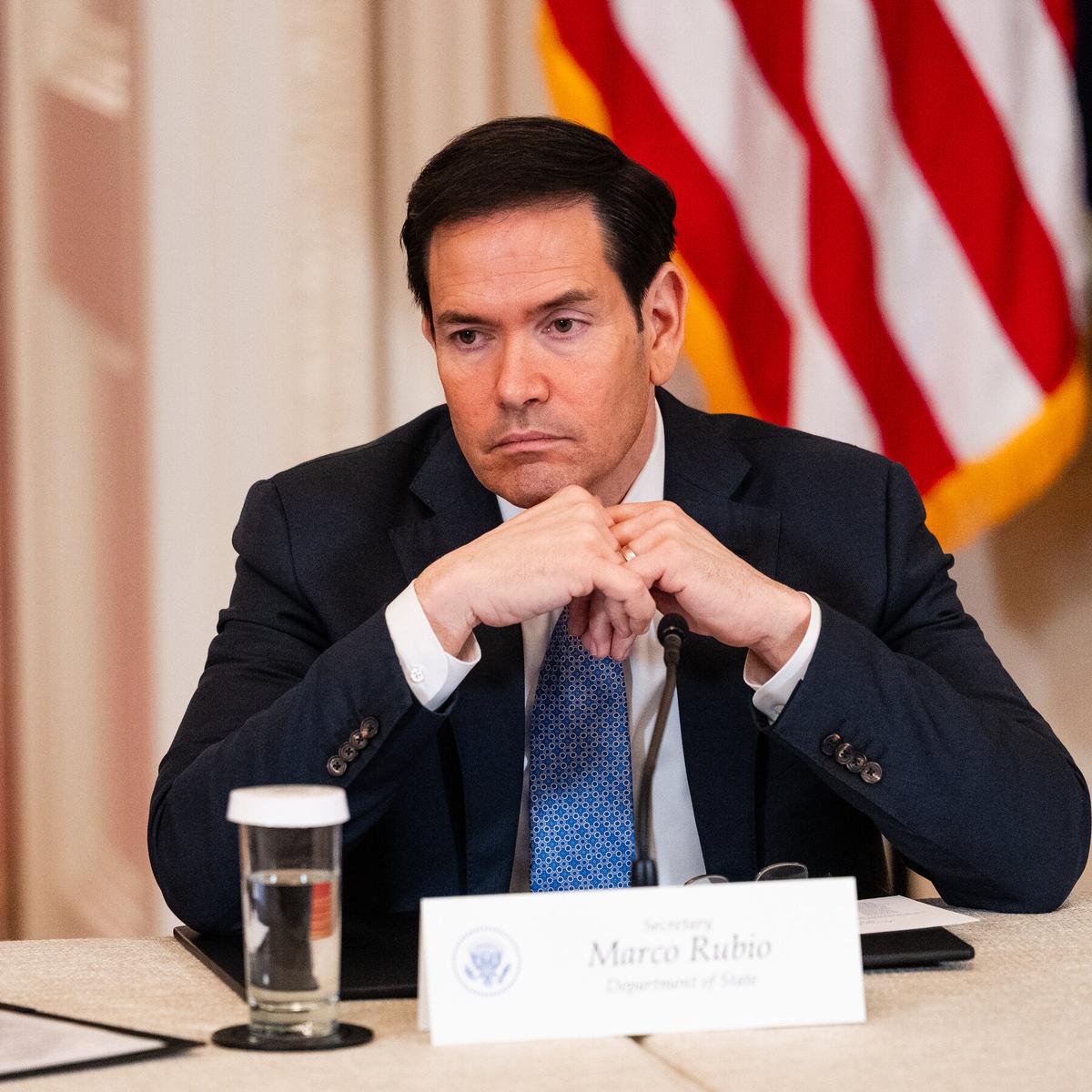
New Lawsuit Challenges Rubio’s Threats Against Foreign Tech Regulators
•March 9, 2026
0
Why It Matters
If successful, the suit could limit the government’s ability to use visa restrictions to silence policy critics, reshaping U.S. immigration and free‑speech norms for tech researchers. It also signals heightened tension between Washington and European regulators over platform oversight.
Key Takeaways
- •Lawsuit challenges State Dept visa ban on tech researchers.
- •Policy targeted five European scholars advocating content moderation.
- •Critics say ban suppresses disinformation research and free speech.
- •Coalition for Independent Technology Research leads legal challenge.
- •Outcome could reshape U.S. immigration policy for scholars.
Pulse Analysis
The visa ban emerged amid a broader Trump‑era push to curb what officials described as foreign interference in American discourse. Secretary of State Marco Rubio framed the restriction as a defense against "flagrant censorship," targeting scholars who advise European governments on content‑moderation frameworks for platforms like Facebook and X. By denying entry to five prominent researchers, the administration signaled a willingness to weaponize immigration tools against policy dissent, raising concerns among academic institutions and civil‑rights groups about the precedent such actions set.
Legal experts contend the policy violates both statutory immigration standards and constitutional free‑speech protections. The complaint, filed by the Coalition for Independent Technology Research, emphasizes the rule’s vague language, which they argue enables arbitrary enforcement against any researcher whose findings challenge prevailing narratives. Citing prior cases where visa denials were used to suppress student protests, attorneys argue the current ban constitutes a content‑based restriction subject to strict scrutiny. If courts find the policy unconstitutional, it could curtail the executive branch’s capacity to leverage visa powers as a political weapon, reinforcing judicial safeguards for academic inquiry.
Beyond the courtroom, the dispute underscores a growing clash between U.S. policymakers and European regulators seeking tighter oversight of social‑media giants. A ruling against the ban would embolden transatlantic collaboration on disinformation research and could pressure the administration to adopt more transparent, evidence‑based approaches to platform governance. Conversely, a victory for the State Department might deter foreign experts from engaging with U.S. institutions, potentially stalling innovation and limiting the policy insights needed to address the complex challenges of online misinformation.
New Lawsuit Challenges Rubio’s Threats Against Foreign Tech Regulators
0
Comments
Want to join the conversation?
Loading comments...