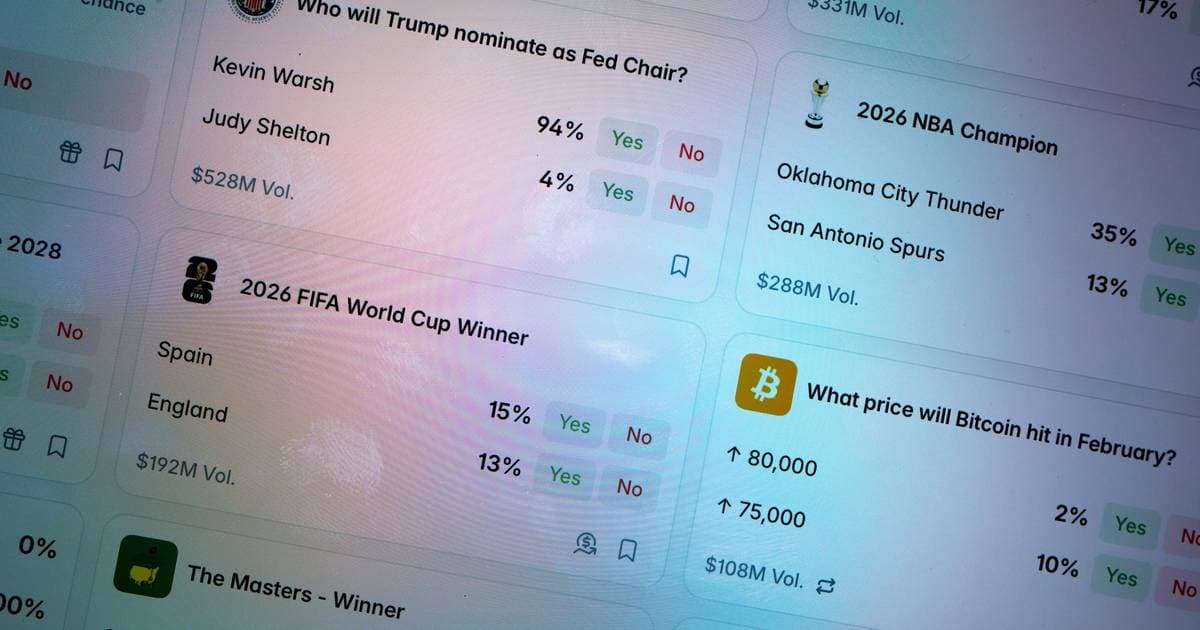
New York and Maryland Become Latest States to Ban Public Workers From Using Prediction Markets
Key Takeaways
- •NY and MD prohibit state workers from prediction market betting
- •Violations reported to attorney general, subject to discipline
- •Ban follows high‑profile insider‑bet case involving US special forces
- •Illinois and California already have similar ethics rules this year
- •Kalshi and Polymarket say insider trading violates their platform policies
Pulse Analysis
The recent executive orders from Governors Kathy Hochul and Wes Moore reflect mounting anxiety over insider trading in prediction markets, a sector that blends elements of finance and gambling. By explicitly prohibiting state employees from placing bets on real‑world events and from leveraging nonpublic government data, the orders aim to preserve public trust and eliminate any perception of corruption. The timing is notable: a U.S. special‑forces soldier recently faced charges after earning more than $400,000 by betting on a covert operation, underscoring the tangible risks of unchecked wagering on sensitive information.
New York and Maryland join Illinois and California, which have already embedded similar prohibitions into their civil service codes. Lawmakers across the country are also debating licensing frameworks that would treat prediction‑market platforms like traditional gambling venues, requiring state oversight and consumer protections. Industry players such as Kalshi and Polymarket have publicly reiterated their own insider‑trading bans, but the patchwork of state rules creates compliance challenges for operators seeking a national footprint. The push for uniform regulation could reshape how these platforms structure their markets, potentially limiting the range of bettable events and tightening verification of user information.
Beyond regulatory concerns, the rise of prediction markets raises public‑health questions. Surveys indicate roughly one‑in‑five Americans have placed a bet on such platforms, with young men most likely to participate. Critics warn that the ease of wagering on everything from natural disasters to political outcomes may fuel gambling addiction, prompting calls for stricter product controls. Companies like Beast Industries are already tightening internal policies after insider‑trading allegations, suggesting that corporate governance will play a crucial role in mitigating risk. As states tighten ethical rules and the industry grapples with both legal and health implications, the future of prediction markets will likely hinge on balanced regulation that protects both market integrity and consumer welfare.
New York and Maryland become latest states to ban public workers from using prediction markets
Comments
Want to join the conversation?