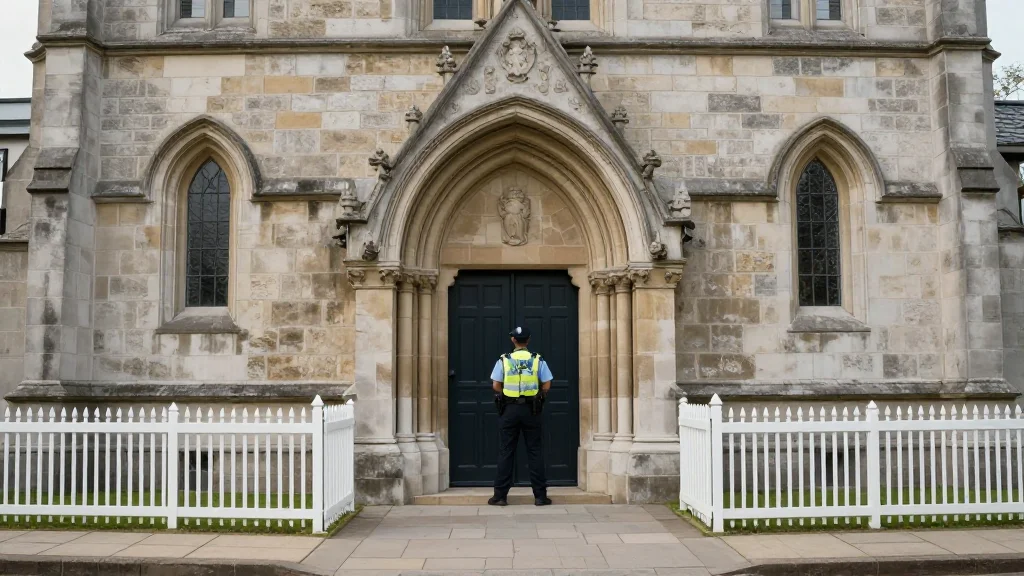
New York Gov. Hochul Signs Law Creating 50‑Foot Protest Buffer Zones Around Houses of Worship

Why It Matters
The statute marks the first statewide attempt in the United States to codify protest‑free zones around houses of worship, directly confronting the tension between religious‑site security and First‑Amendment rights. Its enforcement will test how courts interpret the permissible scope of speech restrictions tied to public safety, potentially shaping future legislation nationwide. Moreover, the law arrives amid heightened national debate over Israel‑Palestine protests, making its impact a bellwether for how municipalities manage politically charged demonstrations at sacred sites. If upheld, the buffer‑zone model could inspire other states to adopt similar measures, reshaping the legal landscape for protest activities near religious institutions. Conversely, a judicial rebuke could reinforce limits on location‑based speech restrictions, reaffirming the Supreme Court's 2014 precedent and preserving broader protest rights.
Key Takeaways
- •Governor Kathy Hochul signed a law making it a misdemeanor to block entry to any house of worship.
- •Police may establish 50‑foot buffer zones where protests are prohibited.
- •The statute applies statewide to all religious facilities, including mosques.
- •Civil‑rights groups warn the law could chill non‑violent speech and face constitutional challenges.
- •Mayor Zohran Mamdani signed a local ordinance requiring NYPD to disclose protest‑handling plans.
Pulse Analysis
New York's buffer‑zone law arrives at a crossroads of public safety and constitutional liberty. Historically, courts have been wary of geographic restrictions on speech, as evidenced by the 2014 Supreme Court ruling against Massachusetts' clinic buffer zones. By framing the law around "interfering with access" and "fear for safety," New York attempts to sidestep the pure‑speech analysis that doomed earlier statutes. Yet the language remains vague, leaving room for discretionary enforcement that could sweep up peaceful demonstrators.
Politically, the law reflects Governor Hochul's response to a wave of protests that have increasingly targeted religious sites tied to the Israel‑Palestine conflict. By offering a clear, enforceable tool, the administration signals a hardening stance on public order, potentially appealing to constituents concerned about safety while alienating progressive activists. The N.Y. Civil Liberties Union's swift condemnation underscores the partisan divide and foreshadows litigation that could climb to the appellate level.
From a market perspective, the law may affect organizations that specialize in protest management, civil‑rights litigation, and security services for religious institutions. Law firms may see a surge in demand for counsel on compliance and defense against potential charges. Meanwhile, advocacy groups will likely allocate resources to challenge the statute, setting the stage for a protracted legal battle that could redefine the permissible boundaries of protest in the United States.
New York Gov. Hochul Signs Law Creating 50‑Foot Protest Buffer Zones Around Houses of Worship
Comments
Want to join the conversation?
Loading comments...