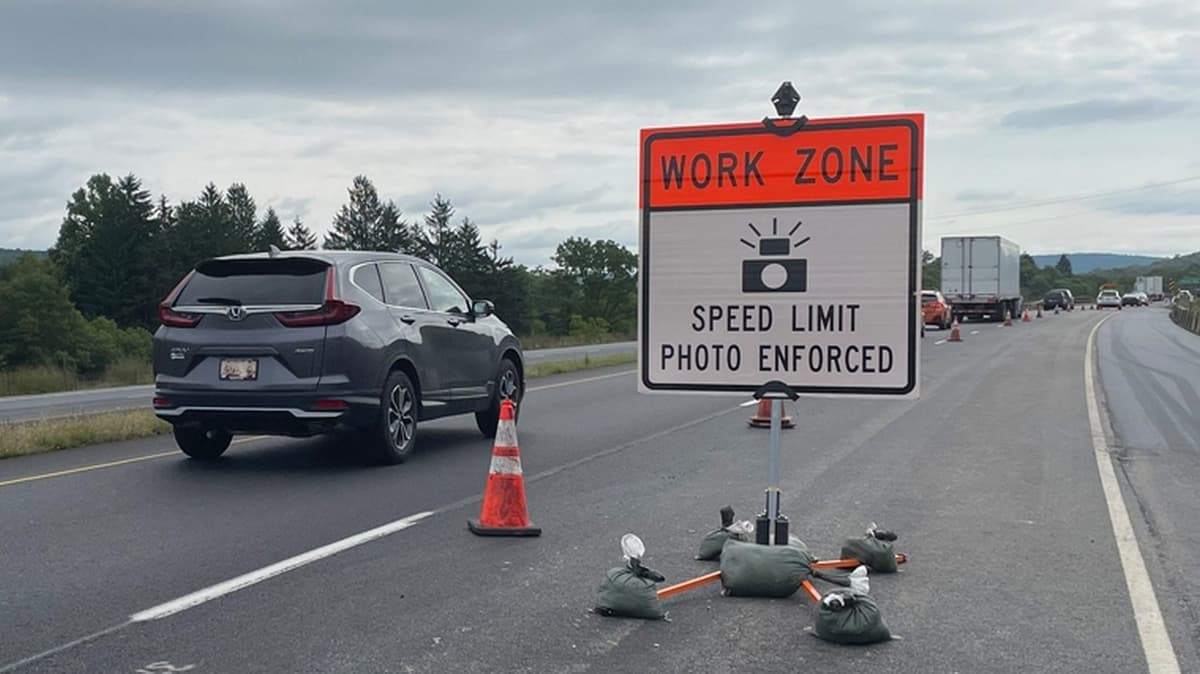
New York Judge Opens Door to Speed Camera Ticket Appeals After Castigating Traffic Court in Ruling
Why It Matters
The decision creates a legal foothold for dozens of drivers to contest speed‑camera violations, potentially reshaping how municipalities enforce automated traffic penalties and prompting reforms in court procedures.
Key Takeaways
- •26,000 speed-camera tickets issued in 25 days near Rochester.
- •Only 239 drivers contested; 40 successfully overturned.
- •Judge Doug Randall dismissed three tickets for Kent Kroemer.
- •Ruling criticizes lack of evidence and improper court conduct.
- •Appeals allowed until May 8 could affect dozens more drivers.
Pulse Analysis
New York’s aggressive rollout of speed‑camera enforcement in 2024 sparked a backlash that mirrors nationwide debates over automated policing. While the state touted the technology as a safety tool, the sheer volume—26,000 citations in less than a month—raised concerns about due process and revenue‑driven ticketing. Critics argue that drivers receive little notice, limited evidence, and a rushed adjudication process, eroding public trust in traffic courts.
The Rochester case highlights a pivotal legal nuance: the burden of proof rests on the issuing authority, not the motorist. Judge Doug Randall’s opinion underscored procedural flaws, noting absent evidence and a clerk who overstepped by delivering legal rulings mid‑hearing. By dismissing Kent Kroemer’s three tickets, the judge set a precedent that could empower the 239 motorists who previously contested their citations to reopen their cases. Legal scholars note that such rulings may compel municipalities to tighten documentation standards and ensure impartial hearing officers.
For drivers, the immediate implication is a limited‑time window—until May 8—to file appeals, potentially clearing records for dozens more. Municipalities, however, face a revenue shortfall as speed‑camera fines often fund road‑maintenance projects. The decision may prompt New York and other states to reevaluate automated ticketing programs, balancing safety objectives with constitutional safeguards. As courts scrutinize evidence requirements, the industry could see a shift toward more transparent enforcement mechanisms, influencing both public policy and private‑sector legal services that specialize in traffic‑law defense.
New York Judge Opens Door to Speed Camera Ticket Appeals After Castigating Traffic Court in Ruling
Comments
Want to join the conversation?
Loading comments...