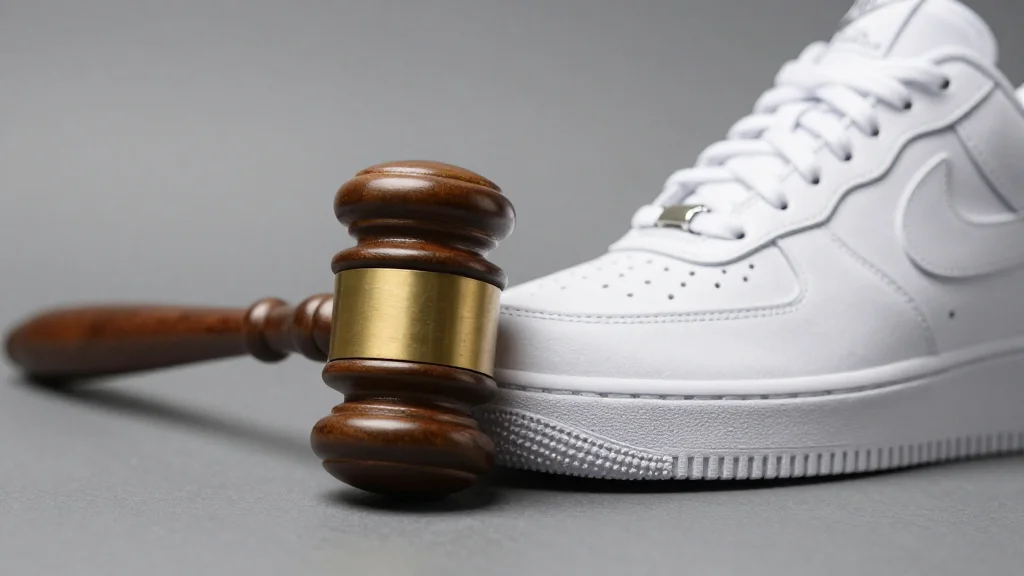
Nike Slapped with Consumer Lawsuit over Unreturned Tariff-Related Charges
Why It Matters
The lawsuit highlights growing consumer scrutiny of corporate pricing after trade‑policy shifts and could expose Nike to significant financial and reputational risk if the court rules against it.
Key Takeaways
- •Consumers allege Nike kept tariff‑related price increase refunds
- •Lawsuit filed in U.S. District Court, Northern California
- •Tariffs on Chinese apparel raised costs after 2018 trade measures
- •Nike claims refunds were not required under its pricing policy
- •Potential settlement could affect Nike’s profit margins and brand perception
Pulse Analysis
The United States’ 2018 tariff regime on Chinese‑origin apparel added roughly 15 percent to wholesale costs for many brands, including Nike. While tariffs are a government‑imposed expense, consumers increasingly expect retailers to offset such hikes, especially when price tags rise sharply. This expectation is rooted in a broader shift toward price transparency, where shoppers demand clear explanations for sudden cost spikes and, when warranted, refunds for overcharges.
In the current case, a class‑action suit lodged in the Northern California federal court accuses Nike of withholding refunds for the tariff‑related surcharge. Plaintiffs argue that Nike’s pricing model should have included a mechanism to reimburse customers once the tariff burden was clarified. Nike, however, maintains that its contracts and pricing policies do not require retroactive adjustments, a stance that mirrors other apparel giants facing similar consumer pressure. Legal precedents in the sector are mixed, with some courts siding with consumers on deceptive pricing, while others uphold manufacturers’ discretion.
The outcome could reverberate across the athletic‑wear industry. A ruling against Nike may compel other brands to revise pricing structures, introduce automatic rebate programs, or enhance disclosure practices, potentially tightening profit margins. Conversely, a dismissal could reinforce the status quo, allowing companies to retain tariff costs without direct consumer compensation. Either scenario will shape brand trust and influence how retailers balance regulatory costs with customer loyalty in a post‑tariff marketplace.
Nike slapped with consumer lawsuit over unreturned tariff-related charges
Comments
Want to join the conversation?
Loading comments...