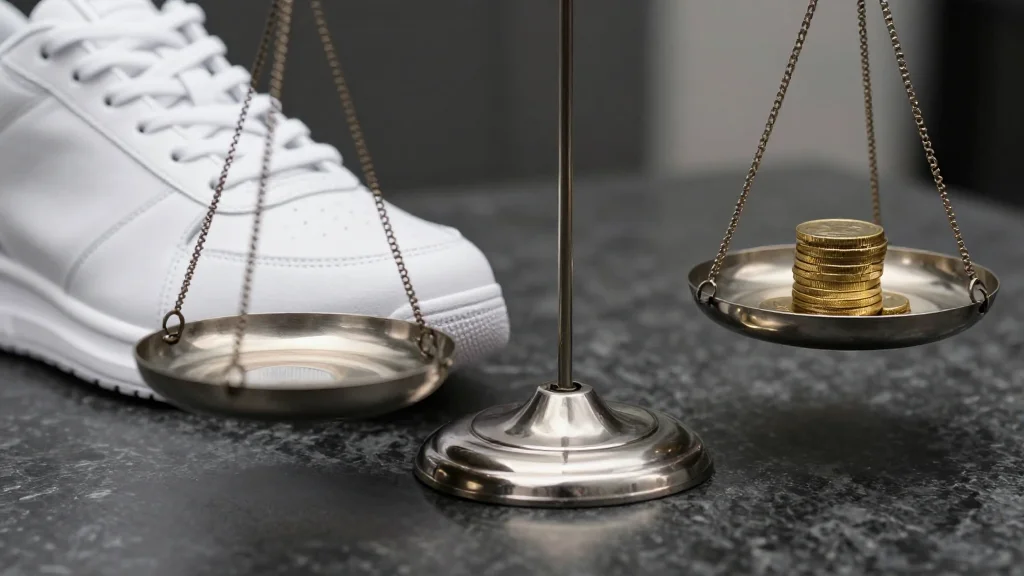
Nike Sued for Refunds Over Trump’s Illegal Tariff Price Hikes
Why It Matters
If certified, the class action could compel retailers to pass customs refunds to consumers, reshaping liability and pricing practices for illegal tariffs across the retail sector.
Key Takeaways
- •Nike faces lawsuit over $2‑$10 price hikes from illegal tariffs.
- •Supreme Court ruled Trump’s IEEPA tariffs unlawful, enabling customs refunds.
- •Plaintiff seeks nationwide class action; damages could exceed $5 million.
- •Refund policy unclear; FedEx, UPS, DHL plan refunds, others silent.
- •Outcome may force multinational retailers to reimburse consumers for illegal duties.
Pulse Analysis
The International Emergency Economic Powers Act was invoked by the Trump administration in mid‑2025 to impose additional duties on imports from China, Canada and Mexico. While the tariffs were intended to address perceived trade emergencies, the Supreme Court’s February 2026 ruling in Learning Resources Inc. v. Trump declared them beyond the President’s statutory authority. This decision not only nullified the tariffs retroactively but also opened a pathway for importers to reclaim the duties they had paid, prompting a wave of refund requests through U.S. Customs and Border Protection’s new Consolidated Administration and Processing of Entries system.
Nike’s lawsuit highlights a broader legal question: when a company absorbs illegal tariffs and subsequently raises retail prices, does it have an obligation to return the recovered duties to consumers? The plaintiff, James Dunn, argues that Nike’s "surgical" price increases of 14‑18 percent across footwear, apparel and equipment constitute unjust enrichment. By seeking class certification under Rule 23, Dunn aims to represent a nationwide cohort of shoppers who may have paid inflated prices. If the court grants certification, the case could establish a binding precedent that forces multinational retailers to distribute customs refunds, potentially reshaping class‑action strategies in the consumer‑goods sector.
Beyond the courtroom, the dispute signals a shift in how companies manage supply‑chain risk and pricing transparency. Retailers that previously absorbed tariff costs may now need to adopt more granular accounting for duty reimbursements, influencing future pricing models and consumer trust. Moreover, the outcome could prompt legislative clarification on the scope of IEEPA and the responsibilities of importers toward end‑users. As inflation pressures persist and global trade tensions evolve, the Nike case serves as a bellwether for the intersection of trade policy, litigation risk, and consumer protection in the modern retail landscape.
Nike Sued for Refunds Over Trump’s Illegal Tariff Price Hikes
Comments
Want to join the conversation?
Loading comments...