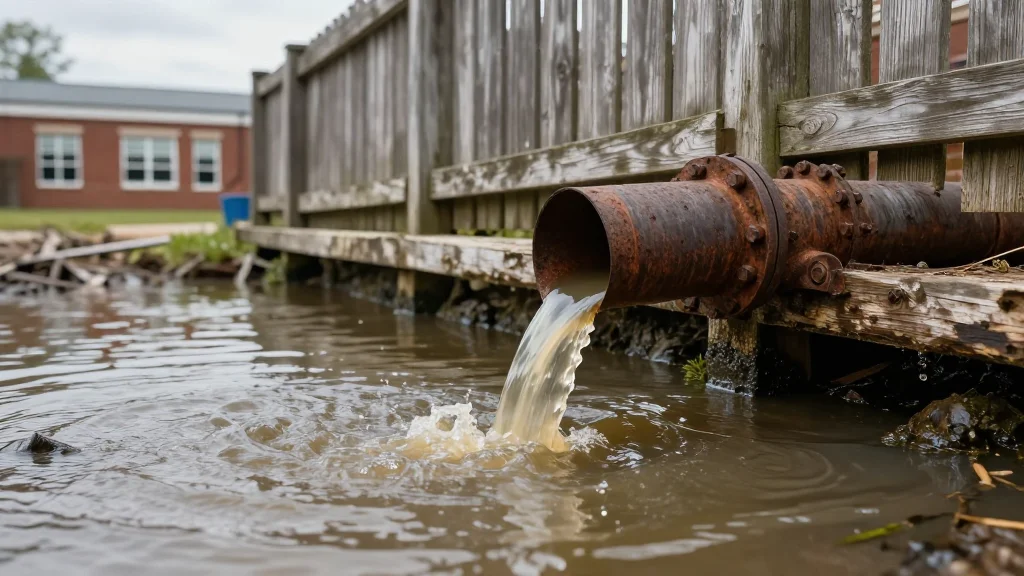
North Carolina Sues Chemical Company for Polluting a Nearby Creek
Why It Matters
The case highlights a stark environmental justice issue, forcing a multinational chemical firm to address long‑standing water pollution that threatens public health and could set a precedent for stricter enforcement of water‑quality laws.
Key Takeaways
- •Attorney general sues Brenntag Mid‑South for illegal water discharges.
- •Creek near elementary school contains acetone, ethanol, benzene, TCE above limits.
- •State fines total $240,000, still unpaid, urging remediation within 30 days.
- •Residents in predominantly Black neighborhood face ongoing health and safety risks.
- •Brenntag halted groundwater treatment system two years ago, worsening contamination.
Pulse Analysis
The lawsuit filed by North Carolina’s attorney general underscores a growing wave of environmental litigation targeting legacy polluters. Brenntag Mid‑South, a subsidiary of the German‑based Brenntag group, has been cited repeatedly by the state Department of Environmental Quality for water‑quality violations, yet it has failed to submit a corrective plan. By demanding a 30‑day remediation schedule, the state aims to compel the company to stop illegal discharges that have plagued the Burton Park creek for decades, a waterway that courses behind an elementary school and through a low‑income, predominantly Black community.
Testing data reveal alarming concentrations of acetone (19,400 ppb), ethanol (up to 144,000 ppb), benzene, and trichloroethene—levels many times higher than North Carolina’s surface‑water standards. The presence of 1,4‑dioxane, a probable carcinogen, adds a chronic health dimension to the crisis. Residents report foul odors, a mucilaginous sludge, and restricted access to the creek, raising concerns about long‑term exposure for children and families. Local advocacy groups, such as Haw Riverkeeper, have amplified the call for immediate penalties and comprehensive cleanup, framing the issue as both a public‑health emergency and an environmental‑justice failure.
Beyond the immediate community, the case signals heightened regulatory pressure on the chemical distribution sector. Brenntag’s $1 billion quarterly gross profit masks the financial risk of costly fines, remediation expenses, and potential litigation settlements. The enforcement action may prompt other firms to reassess groundwater monitoring, invest in robust treatment systems, and engage more transparently with affected neighborhoods. As regulators tighten oversight, companies that ignore compliance could face escalating penalties, reputational damage, and investor scrutiny, reinforcing the business case for proactive environmental stewardship.
North Carolina Sues Chemical Company for Polluting a Nearby Creek
Comments
Want to join the conversation?
Loading comments...