NY Judge to Decide on Backpack Evidence in Mangione Murder Trial

Why It Matters
The admissibility of the backpack evidence sits at the intersection of constitutional rights and public safety. A ruling that excludes the items could embolden defense teams to challenge warrantless searches more aggressively, potentially limiting law‑enforcement’s ability to act swiftly in emergent situations. Conversely, upholding the evidence would affirm the principle that exigent circumstances and subsequent judicial oversight can validate evidence collection, preserving prosecutorial tools in complex homicide cases. Beyond the immediate case, the decision may influence how courts across the United States handle similar Fourth‑Amendment challenges, especially in high‑profile trials where media scrutiny amplifies every procedural move. Legal analysts anticipate that appellate courts will reference Carro’s reasoning in future disputes over warrantless searches, making this ruling a potential precedent for years to come.
Key Takeaways
- •Judge Gregory Carro will rule Monday on the admissibility of Mangione's backpack contents.
- •Defense claims the warrantless search violated Fourth‑Amendment rights; prosecutors say a warrant was later obtained.
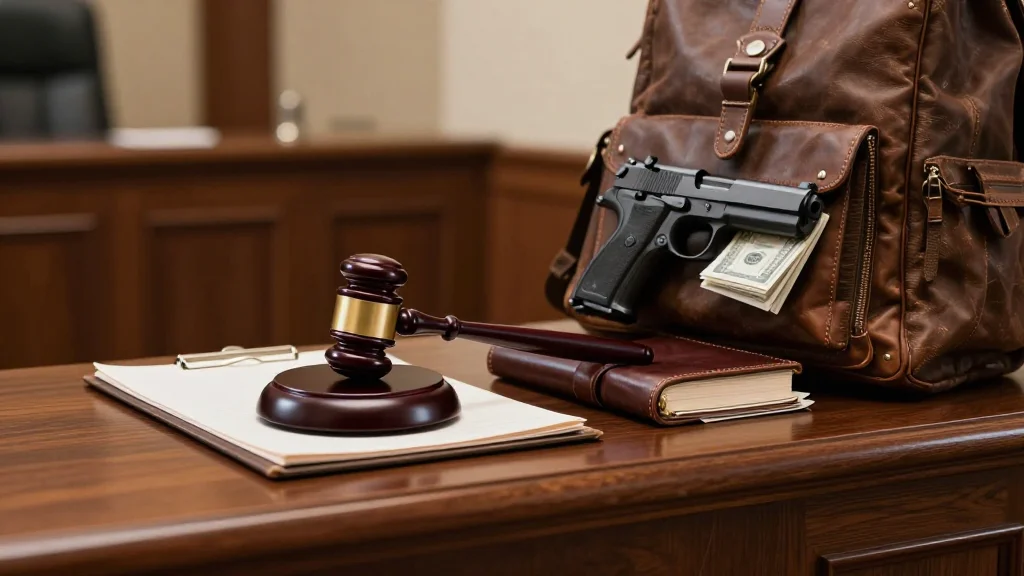
- •Backpack includes a 9 mm handgun, loaded magazine, journal, fake ID and $1,000 cash.
- •Mangione's legal defense fund surpassed $1.5 million, reflecting strong public support.
- •The ruling could set precedent for future warrantless‑search cases in high‑profile criminal trials.
Pulse Analysis
Carro’s upcoming decision arrives at a moment when the criminal justice system is under intense public scrutiny, especially in cases that blend celebrity culture with violent crime. The Mangione case is unique not only for its sensational facts—a Ivy League graduate allegedly targeting a health‑care executive—but also for the way it spotlights procedural safeguards. Historically, New York courts have oscillated between a pragmatic approach that favors law‑enforcement efficiency and a strict constitutionalist stance that protects individual rights. Carro’s ruling will likely tip the balance, either reinforcing a flexible, fact‑driven doctrine or tightening the evidentiary gatekeeping that prosecutors must navigate.
If the judge excludes the backpack evidence, defense teams nationwide may feel empowered to file more pre‑trial motions challenging the legality of evidence seizures, potentially slowing down prosecutions and increasing litigation costs. This could also prompt law‑enforcement agencies to revise their protocols, ensuring that warrants are secured before any physical intrusion, even in time‑sensitive scenarios. On the other hand, an admission of the evidence would reaffirm the legitimacy of exigent‑circumstance searches, especially when officers act "in deliberate and painstaking fashion," as ADJ Seidemann contended. Such a precedent would preserve the prosecutorial toolkit, allowing swift action against suspects while still offering a post‑hoc judicial check.
Beyond the courtroom, the case underscores how media coverage and public fundraising can shape legal battles. The $1.5 million defense fund illustrates a growing trend where high‑profile defendants leverage public sentiment to finance robust legal defenses. This financial muscle can affect case strategy, from hiring top‑tier counsel to mounting extensive appellate campaigns. As the trial proceeds, the interplay between constitutional law, prosecutorial strategy, and public opinion will likely become a template for future high‑stakes criminal proceedings.
NY Judge to Decide on Backpack Evidence in Mangione Murder Trial
Comments
Want to join the conversation?
Loading comments...