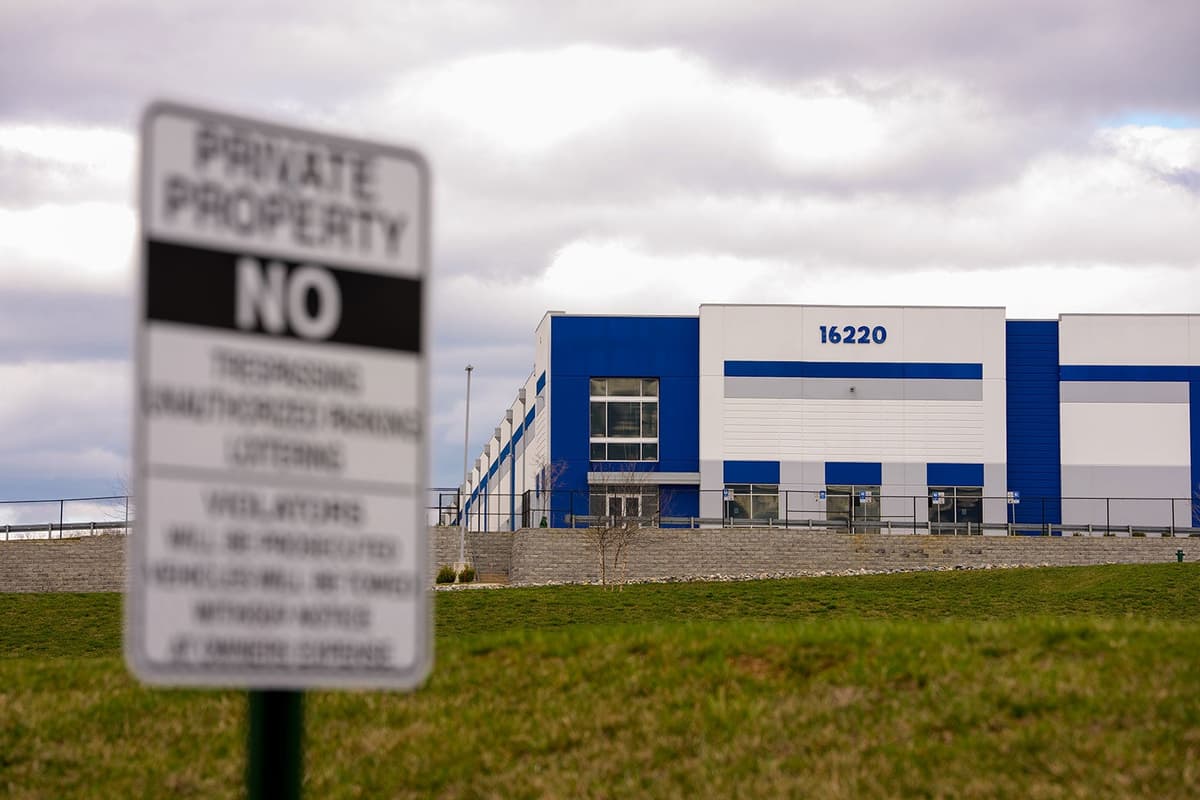
One State Has an Ingenious New Strategy for Blocking the Opening of an ICE Detention Warehouse
Why It Matters
The ruling forces ICE to comply with federal environmental safeguards, potentially curbing rapid detention‑center construction nationwide. It also creates a legal template for other states to block federal projects using endangered‑species protections.
Key Takeaways
- •Maryland sued ICE under NEPA, citing endangered snails and mussels
- •Judge granted a preliminary injunction, halting warehouse conversion
- •ICE’s $38 billion detention expansion faces increasing local legal challenges
- •Environmental review was completed in a single day, raising compliance concerns
- •Strategy may set precedent for using environmental law against federal projects
Pulse Analysis
The federal government’s aggressive push to expand immigration detention facilities has taken a surprising turn toward environmental litigation. ICE’s $38 billion plan to repurpose warehouses across the country, including the 825,000‑square‑foot site in western Maryland, has traditionally been defended on the grounds of national security and immigration enforcement. However, local opposition has shifted focus to the National Environmental Policy Act (NEPA), arguing that the rapid acquisition and minimal environmental assessment violate long‑standing federal statutes designed to protect ecosystems.
Maryland’s lawsuit hinges on the presence of several federally and state‑listed endangered species, most notably the Appalachian springsnail, which requires pristine, cold‑water habitats. By framing the case as an environmental‑justice issue, the state leveraged scientific data and NEPA’s requirement for thorough impact studies, exposing a one‑day review that appears insufficient for a project of this scale. The judge’s preliminary injunction underscores the judiciary’s willingness to enforce environmental compliance, even when the underlying project serves a high‑profile federal mission.
The broader implication is a potential legal playbook for other states confronting ICE’s warehouse strategy. If environmental law can stall or reshape detention‑center construction, federal agencies may need to allocate more resources to comprehensive ecological assessments, delaying timelines and increasing costs. This development also signals a growing intersection between immigration policy and environmental stewardship, prompting policymakers to consider multi‑dimensional impacts before advancing large‑scale federal initiatives.
One State Has an Ingenious New Strategy for Blocking the Opening of an ICE Detention Warehouse
Comments
Want to join the conversation?
Loading comments...