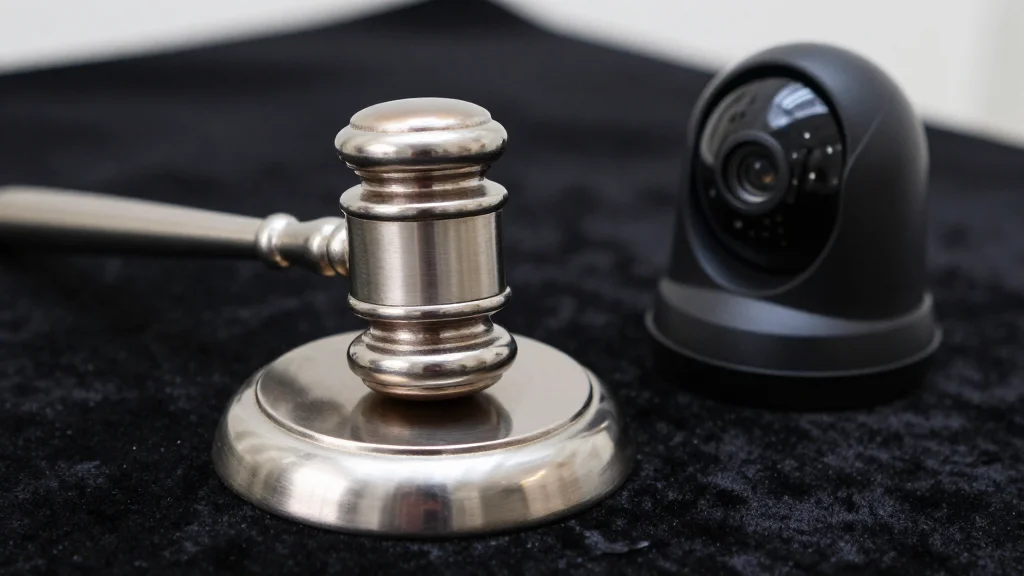
Ontario Superior Court Orders Toronto Plastic Surgeon to Pay $22.5M in Class Action Damages
Why It Matters
The ruling underscores the legal risks of covert surveillance in healthcare settings and signals that Canadian courts will impose substantial penalties for privacy violations, prompting clinics nationwide to reassess consent and data‑protection practices.
Key Takeaways
- •Ontario court orders $16.7M USD damages for privacy breach
- •Verdict covers intrusion upon seclusion, negligence, fiduciary breach
- •Class includes patients seen Jan 2017–Dec 2018 at clinic
- •Surveillance cameras operated without consent across treatment areas
- •Individual claims for negligence damages remain pending
Pulse Analysis
The decision arrives at a time when privacy legislation across North America is tightening, and Ontario’s Personal Health Information Protection Act (PHIPA) has become a benchmark for how personal health data may be collected, used, and disclosed. In the case of the Toronto Cosmetic Surgery Institute, investigators discovered a network of 24 cameras hidden throughout examination rooms, recovery areas and even the operating theatre, with no signage or patient notice. By granting the class $21.5 million CAD in intrusion‑upon‑seclusion damages and $1 million CAD in punitive damages, the court sent a clear message that covert video monitoring in a medical environment violates both statutory privacy rules and basic expectations of patient dignity.
The judgment also highlights the expanding scope of fiduciary duty in health‑care. Although the judge concluded that PHIPA does not create a trust relationship, he still held the surgeon accountable for breaching his fiduciary obligations by exposing patients to non‑therapeutic surveillance. This dual finding of negligence and fiduciary breach aligns Canadian courts with U.S. trends where physicians are increasingly judged on data‑handling practices. For clinics, the ruling means revisiting consent forms, installing transparent signage, and implementing robust data‑governance frameworks to avoid costly class actions.
Beyond the immediate financial exposure, the case may reshape how medical facilities deploy technology. Vendors of surveillance and AI‑enabled monitoring systems will likely need to embed privacy‑by‑design features and provide audit trails that satisfy regulatory scrutiny. Patients, now more aware of privacy risks, may demand higher standards of informed consent, prompting insurers and professional bodies to tighten compliance audits. As the healthcare sector balances safety, efficiency and privacy, the Ontario verdict serves as a cautionary precedent that non‑consensual data collection can trigger multi‑million‑dollar liability.
Ontario Superior Court orders Toronto plastic surgeon to pay $22.5M in class action damages
Comments
Want to join the conversation?
Loading comments...