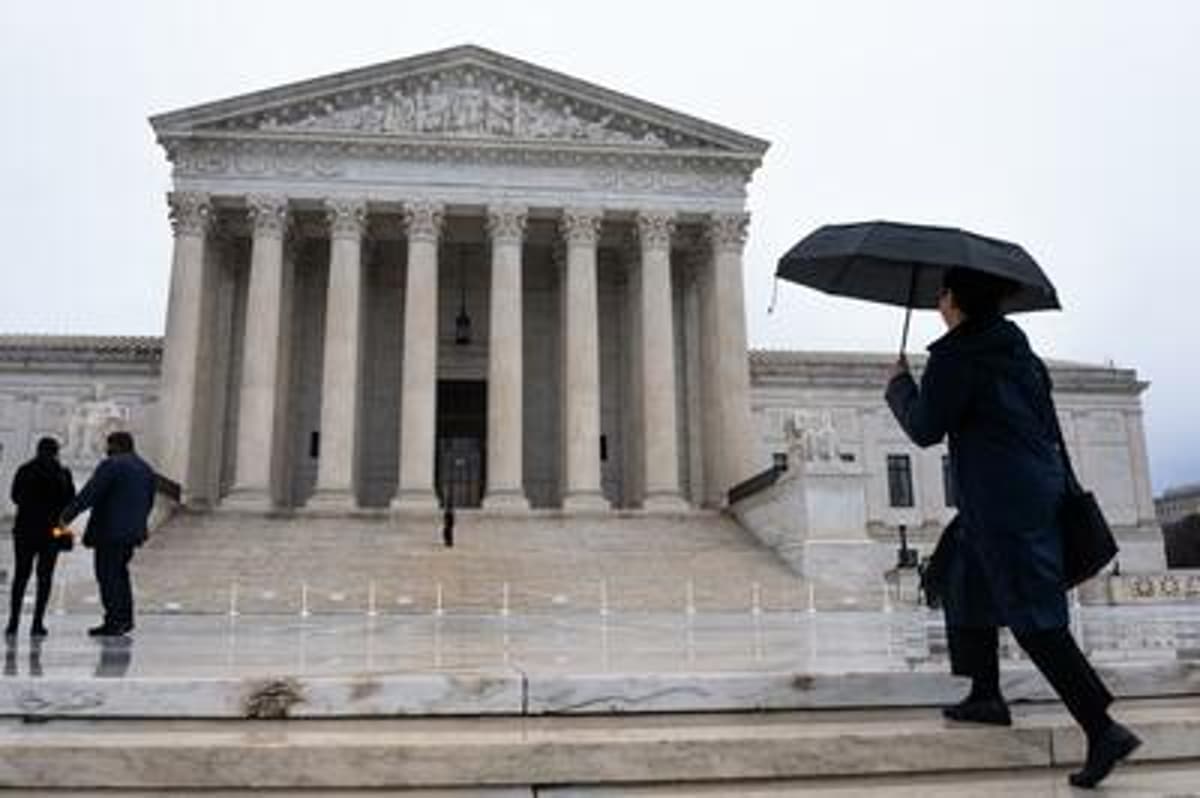
OPINION: U.S. Top Court's Decision on Trump Tariffs Highlights Separation of Powers
•March 10, 2026
0
Why It Matters
The ruling reshapes the legal landscape for U.S. trade measures, creating uncertainty for firms that relied on IEEPA tariffs and prompting a shift toward alternative, potentially short‑lived, tariff authorities.
Key Takeaways
- •Supreme Court declared IEEPA tariffs unconstitutional.
- •Ruling hinges on congressional taxing authority.
- •Refunds for paid tariffs remain uncertain.
- •Administration may shift to Section 122 tariffs.
- •Companies must monitor US political shifts.
Pulse Analysis
The Supreme Court’s decision underscores a fundamental constitutional principle: the power to levy taxes lies exclusively with Congress. By finding the International Emergency Economic Powers Act does not grant the president unilateral tariff authority, the Court reinforced the separation of powers that underpins U.S. trade policy. This legal clarification not only curtails executive overreach but also sets a precedent for future disputes over emergency economic measures, signaling to policymakers that any similar actions must be grounded in clear statutory authority.
For businesses, the immediate concern revolves around the fate of tariffs already collected under the invalidated IEEPA orders. While the Justice Department hinted at possible refunds, the Court offered no directive, leaving importers and foreign subsidiaries in a limbo where they must assess litigation risks and accounting impacts. Simultaneously, the administration’s pivot to Section 122 of the Trade Act introduces a new, albeit temporary, tariff mechanism that requires a demonstrable balance‑of‑payments deficit and expires after 150 days without congressional extension. Companies must therefore re‑evaluate supply‑chain costs, renegotiate contracts, and prepare for rapid regulatory shifts as the government tests this alternative authority.
Beyond the legal nuances, the ruling arrives amid a volatile political environment. Upcoming midterm elections could reshape congressional dynamics, influencing the likelihood of future executive orders facing judicial scrutiny. Moreover, the 2028 presidential race may alter the strategic calculus behind trade enforcement. For multinational firms, especially those with Japanese ties, staying attuned to U.S. legislative trends and court decisions is essential to mitigate risk, protect investment pipelines, and adapt to an evolving trade policy framework.
OPINION: U.S. top court's decision on Trump tariffs highlights separation of powers
0
Comments
Want to join the conversation?
Loading comments...