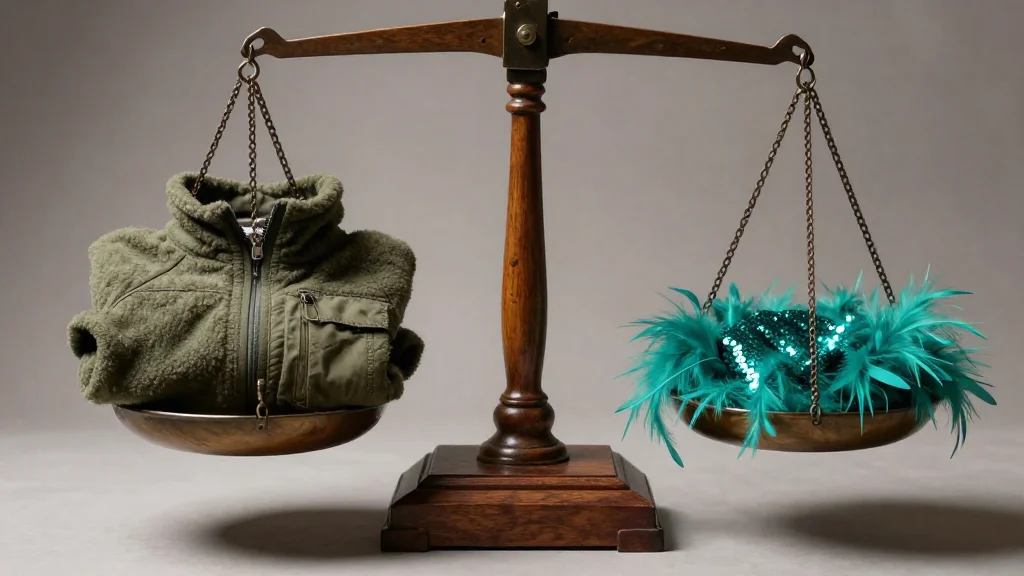
Patagonia Sues Drag Activist Pattie Gonia for $1 Trademark Infringement Claim

Why It Matters
The Patagonia‑Pattie Gonia case sits at the intersection of trademark law, activist branding and LGBTQ+ representation. A ruling that favors Patagonia could tighten enforcement standards for high‑profile brands, compelling smaller creators and social‑impact ventures to navigate stricter clearance processes before adopting names or imagery that echo established marks. Conversely, a decision that upholds Wiley’s parody defense would reinforce First Amendment protections for expressive uses of trademarks, offering a precedent for artists who rely on satire to amplify social causes. Beyond legal doctrine, the lawsuit tests the credibility of corporations that market themselves as purpose‑driven. Patagonia’s willingness to litigate a fellow climate activist may reshape consumer expectations of brand authenticity and could influence how other mission‑oriented companies approach intellectual‑property disputes in the future.
Key Takeaways
- •Patagonia filed a trademark infringement suit on Jan. 21, 2024 seeking $1 in damages plus legal fees.
- •The lawsuit alleges Wiley breached a 2022 agreement limiting use of Patagonia‑like logos and fonts.
- •Wiley claims the case could cost her up to seven figures in legal fees and has raised $3.7 million for nonprofits.
- •IP expert Michelle Mancino Marsh says the case hinges on consumer confusion, a core trademark principle.
- •Trial is slated for June 2027 unless the parties settle on withdrawal of the trademark application and cessation of merch sales.
Pulse Analysis
Patagonia’s decision to sue a drag performer who shares its environmental ethos underscores a growing tension between brand stewardship and activist collaboration. Historically, companies have used trademark enforcement to protect market share, but the modern era demands a nuanced approach when the target is a cultural figure whose work amplifies the same values the brand espouses. Patagonia’s $1 claim is symbolic; the real leverage lies in the injunction that could bar Wiley from monetizing her persona, effectively silencing a high‑visibility climate advocate.
From a market perspective, the case could set a de‑facto standard for how large, purpose‑driven firms handle IP disputes with grassroots creators. If courts side with Patagonia, we may see a wave of pre‑emptive licensing agreements, increasing legal costs for NGOs and artists who rely on low‑budget branding. Conversely, a ruling favoring Wiley would embolden activist‑driven brands to push the boundaries of parody, potentially diluting the distinctiveness of iconic marks over time. Either outcome will inform corporate risk‑management strategies, especially for firms that market authenticity as a core differentiator.
Strategically, Patagonia must weigh the short‑term reputational damage against the long‑term value of its trademark. The backlash on social media suggests that brand equity tied to progressive values can be fragile when legal actions appear contradictory. As the case moves toward a 2027 trial, both sides have incentives to settle, but any agreement will likely involve nuanced compromises—perhaps a limited‑use license for non‑commercial, activist‑focused merchandise. The resolution will signal how the legal system balances intellectual‑property rights with the expressive freedoms that fuel modern social movements.
Patagonia sues drag activist Pattie Gonia for $1 trademark infringement claim
Comments
Want to join the conversation?
Loading comments...