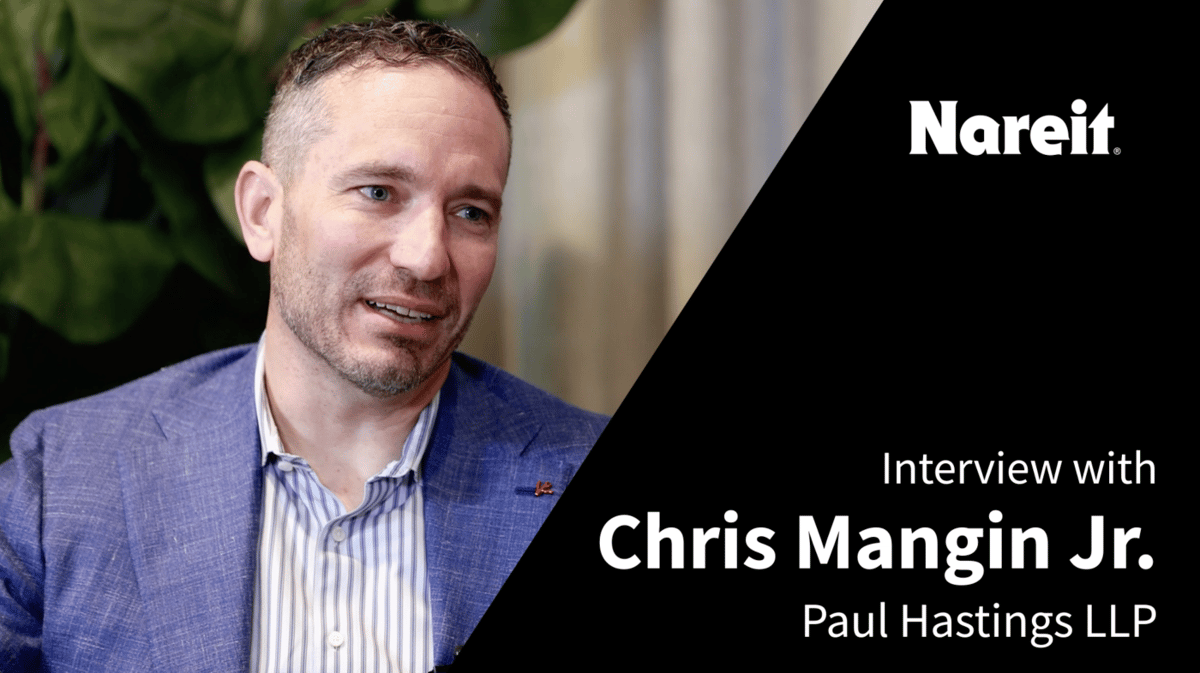
Paul Hastings’ Partner on Increased Importance of Cross-Border Tax for REITs
Why It Matters
Easing cross‑border tax hurdles can unlock billions of foreign dollars for U.S. REITs, accelerating growth in capital‑intensive sectors and reshaping the real‑estate financing landscape.
Key Takeaways
- •REITs increasingly rely on overseas investors for large projects
- •Section 892 exemptions are critical for foreign investors' tax‑exempt status
- •Treasury reversed domestically controlled REIT rule, easing foreign entry
- •Proposed Section 892 guidance aims to define “effective control” clearly
- •Policy signals a pro‑foreign‑capital stance to fund U.S. infrastructure
Pulse Analysis
The surge in demand for infrastructure, artificial‑intelligence hubs and data‑center facilities has outpaced the capacity of traditional public‑equity offerings. REITs, traditionally reliant on domestic investors, are now courting sovereign‑wealth funds and other overseas capital sources that bring deep pockets but also strict tax‑exempt requirements. Preserving Section 892 exemptions—allowing foreign investors to avoid U.S. tax on REIT dividends—has become a deal‑making prerequisite, prompting sponsors to redesign joint‑venture structures and financing terms.
At the same time, the Treasury Department has taken steps that could tip the scales in favor of foreign participation. By rescinding the controversial domestically controlled REIT rule, the agency removed a regulatory obstacle that previously limited foreign ownership thresholds. The forthcoming Section 892 guidance seeks to clarify the nebulous “effective control” test and standard minority‑protection provisions, reducing legal uncertainty that has historically deterred institutional investors. While some industry players remain cautious about the interim ambiguity, the direction signals a more welcoming stance toward cross‑border capital.
For the broader market, these policy shifts portend a new era of capital flow into U.S. real‑estate assets. Analysts project that foreign inflows could add several hundred billion dollars to REIT balance sheets over the next decade, bolstering funding for projects that are too large or too risky for domestic sources alone. This influx not only supports the construction of critical infrastructure but also intensifies competition among REITs to offer tax‑efficient, investor‑friendly structures, potentially driving innovation in deal architecture and valuation models.
Paul Hastings’ Partner on Increased Importance of Cross-Border Tax for REITs
Comments
Want to join the conversation?
Loading comments...