Police Wrongly Identified Solicitor Fahad Ansari as Hamas Member During Schedule 7 Phone Seizure
Why It Matters
The incident tests the balance between UK counter‑terrorism powers and legal professional privilege, potentially reshaping how lawyers can represent proscribed groups. A ruling requiring greater police transparency could set a precedent for future Schedule 7 operations.
Key Takeaways
- •First use of Schedule 7 powers against a practising solicitor
- •Police note mistakenly labeled solicitor as Hamas member, later admitted error
- •Seized phone contained privileged client communications, raising confidentiality concerns
- •Court of Appeal granted stay, may force police to disclose case details
Pulse Analysis
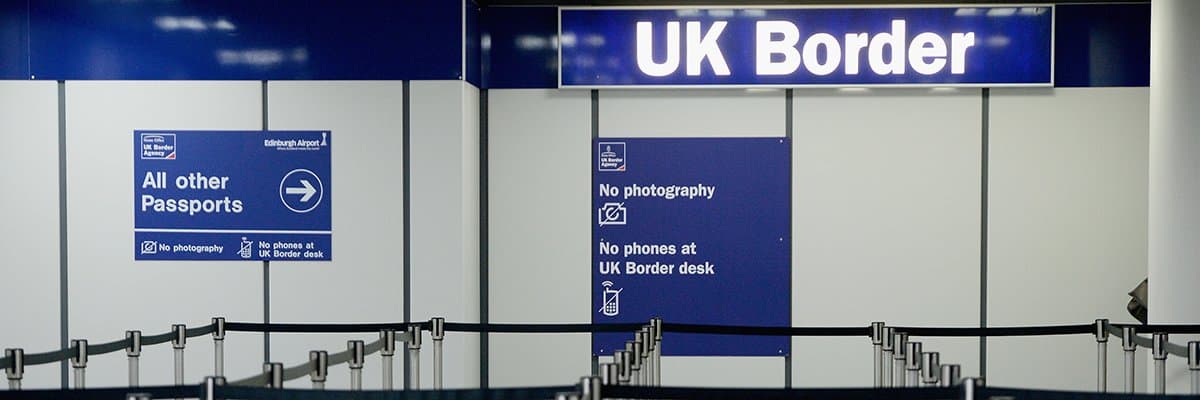
Schedule 7 of the Terrorism Act allows UK police to stop, question and seize electronic devices without suspicion, a tool designed for border security and counter‑terrorism. Its deployment against Fahad Ansari, a solicitor representing Hamas in a bid to overturn the group’s proscribed status, marks an unprecedented extension of these powers into the legal profession. The officer’s handwritten note incorrectly categorising Ansari as a Hamas member underscores the risk of conflating legal representation with extremist affiliation, a mistake the officer later admitted was a clerical error. This mischaracterisation has sparked a judicial review that the Court of Appeal has temporarily stayed while it considers whether the police must reveal the evidence underpinning their assessment.
The core of the dispute lies in the seizure of privileged material. Ansari’s phone held confidential client communications, witness statements and financial data, all protected by legal professional privilege. Although an independent counsel was tasked with filtering the data, the solicitor argues that safeguards were insufficient and that he has no assurance the privileged content was not accessed. If the court orders full disclosure, it could compel law enforcement agencies to adopt stricter protocols for handling privileged information, reinforcing the sanctity of attorney‑client confidentiality even in national‑security investigations.
Beyond the immediate case, the controversy raises broader questions about the scope of Schedule 7 and its oversight. Critics point to past revelations, such as Edward Snowden’s 2013 "Phantom Parrot" leaks, which suggested that data collected under Schedule 7 could be shared with intelligence bodies like GCHQ. A ruling that demands greater transparency could prompt legislative reform, tightening the balance between security imperatives and civil liberties. The outcome may also influence how lawyers approach representation of proscribed groups, ensuring that advocacy does not become a deterrent due to fear of police overreach.
Police wrongly identified solicitor Fahad Ansari as Hamas member during Schedule 7 phone seizure
Comments
Want to join the conversation?
Loading comments...