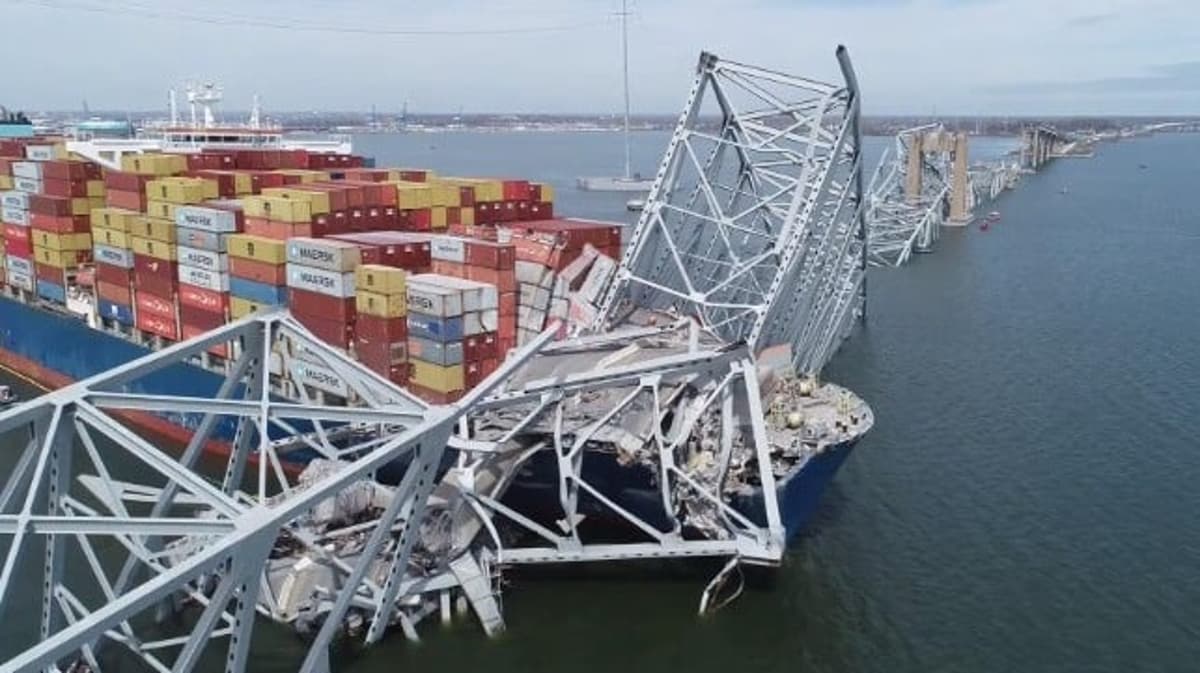
Pretrial Hearing Sets the Stage for Dali Trial to Begin June 1
Why It Matters
The outcome will determine whether the owners’ liability is limited, shaping compensation for victims and setting a precedent for maritime disaster responsibility. It also influences the pace of economic recovery for Baltimore’s port and surrounding businesses.
Key Takeaways
- •Trial begins June 1, 18 days scheduled on bench
- •Owner seeks 1851 law to cap liability at $44 million
- •Families, crew, property and government claimants grouped into five categories
- •Judge barred NTSB report but allowed its evidence
- •Settlement talks continue; some claimants still open to pre‑trial agreement
Pulse Analysis
The *Dali* disaster reshaped Baltimore’s waterfront, destroying the Francis Scott Key Bridge, killing six workers and halting a critical cargo corridor. The collapse triggered billions in regional economic loss, prompting a complex web of lawsuits from families, crew members, property owners and government entities. As the trial approaches, the legal community watches how the court balances the massive human toll with the intricate technical questions surrounding vessel stability, bridge design and emergency response failures. This backdrop underscores the high stakes for all parties involved.
Judge James K. Bredar’s bench trial will first confront the owners’ bid to invoke an 1851 maritime statute that could limit their exposure to the ship’s $44 million value. If successful, the claimants—ranging from bereaved families to cargo insurers—would receive compensation only up to that cap, dramatically reducing potential payouts. The pre‑trial hearing revealed procedural hurdles: a sprawling roster of over 35 attorneys, disputes over witness lists, and a contentious effort to re‑characterize the vessel’s voyage origin from Baltimore to Newark. Additionally, the judge excluded the NTSB’s formal report while permitting its underlying data, a nuanced decision that could shape evidentiary strategy for both sides.
Beyond the immediate parties, the case carries broader implications for maritime law and infrastructure risk management. A ruling that limits liability may encourage ship owners to rely on historic statutes, potentially weakening accountability in future incidents. Conversely, a verdict that rejects the cap could signal a shift toward greater corporate responsibility, influencing insurance premiums and regulatory oversight. Settlement discussions remain active, offering a possible shortcut to compensation and reducing courtroom congestion. Whatever the outcome, the *Dali* trial will serve as a benchmark for how the United States adjudicates large‑scale transportation catastrophes and allocates restitution to affected communities.
Pretrial Hearing Sets the Stage for Dali Trial to Begin June 1
Comments
Want to join the conversation?
Loading comments...