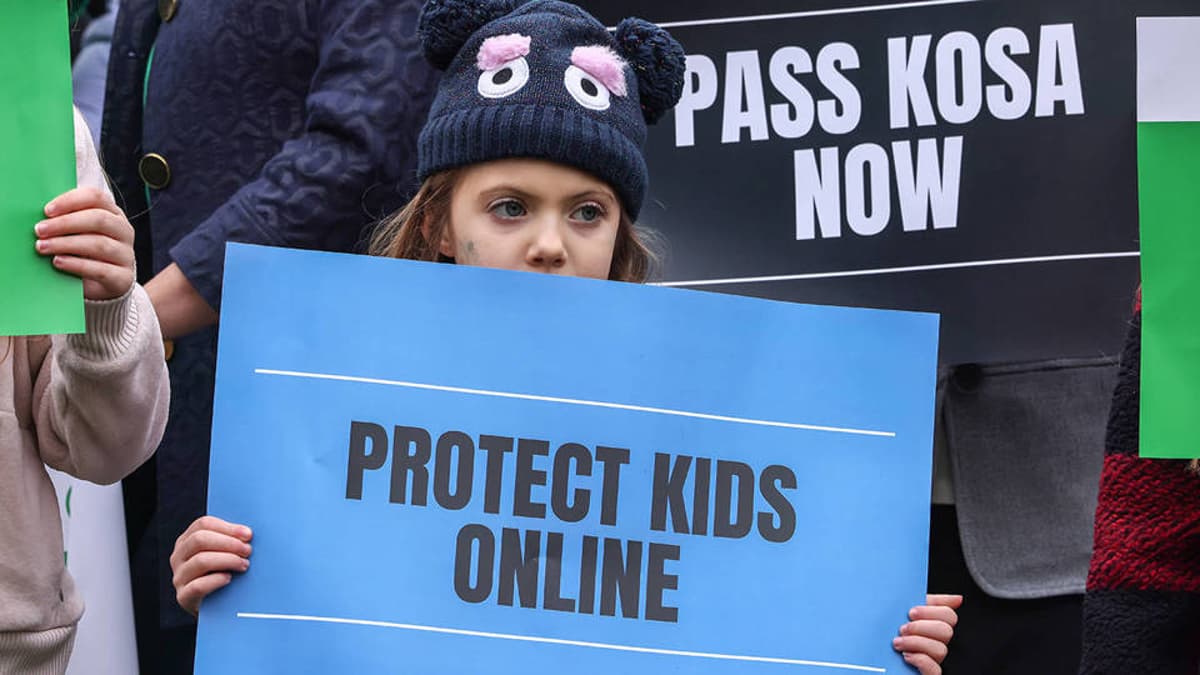
Preventing Online Child Abuse Should Be Easier
Why It Matters
The ruling signals growing liability for tech firms and could accelerate regulatory action to protect minors online, reshaping industry standards globally.
Key Takeaways
- •New Mexico jury finds Meta misled public about child safety.
- •Verdict highlights platform liability for exposing minors to predators.
- •Experts call for stricter global regulations on online child abuse.
- •Governments urged to enforce rapid detection and removal tools.
Pulse Analysis
Online child exploitation remains a persistent challenge, with platforms often serving as inadvertent gateways for predators. While tech companies have introduced safety tools, critics argue that these measures are fragmented and lack rigorous enforcement. The broader industry context shows a patchwork of national laws, leaving gaps that abusers exploit, and prompting calls for a unified, cross‑border framework that holds platforms to higher standards of duty of care.
The New Mexico case is notable because it moves beyond civil liability for specific harms to allege deceptive conduct by Meta. The jury concluded that the company not only failed to protect users but also misrepresented the effectiveness of its safeguards. Legal analysts see this as a potential catalyst for similar lawsuits in other jurisdictions, especially as plaintiffs increasingly target the perceived opacity of content‑moderation algorithms. For Meta, the verdict could translate into substantial financial penalties and compel a redesign of its child‑safety protocols, influencing peers like TikTok and Snapchat to reassess risk management strategies.
Policymakers are now faced with pressure to translate public outrage into concrete legislation. Proposals include mandatory real‑time detection of exploitative material, stricter age‑verification mechanisms, and penalties for non‑compliance that scale with platform size. International bodies such as the UN’s Committee on the Rights of the Child are urging coordinated action, recognizing that online abuse knows no borders. As governments contemplate tougher rules, the tech sector must balance user privacy with the imperative to safeguard children, a tension that will define the next wave of digital policy.
Preventing Online Child Abuse Should Be Easier
Comments
Want to join the conversation?
Loading comments...