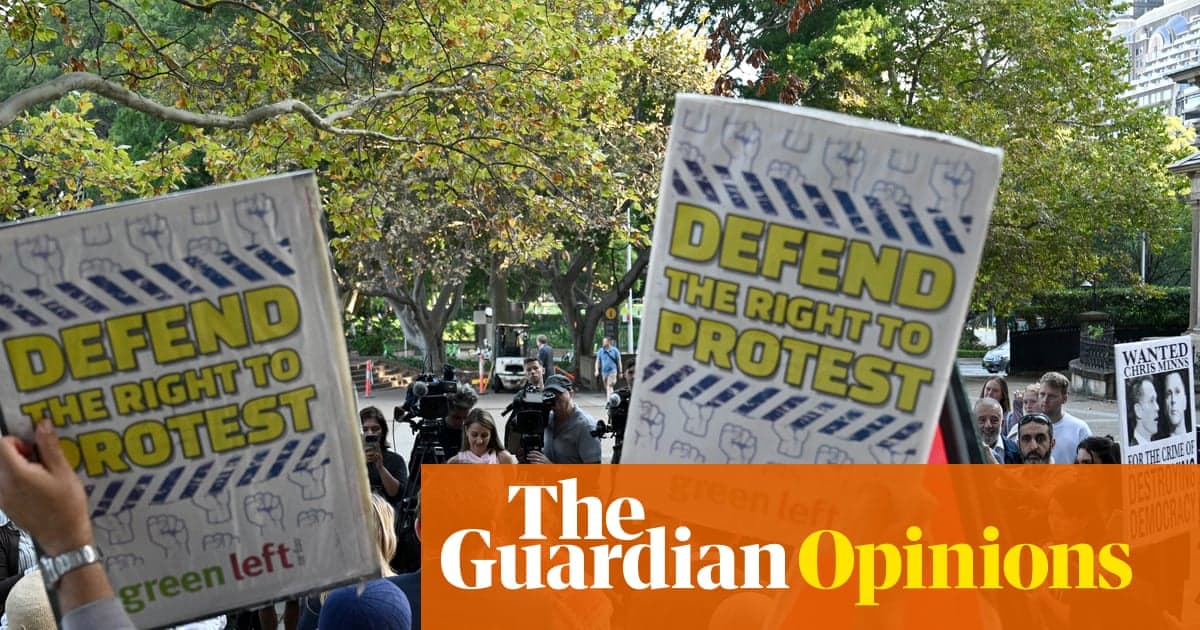
Protest Is Not a Flaw in Democracy and Fear Cannot Be Made Law. The NSW Supreme Court Ruling Upholds These Truths | Shamikh Badra
Why It Matters
The ruling safeguards freedom of expression and sets a legal precedent that curtails executive overreach, reinforcing civil liberties in Australia’s public sphere. It signals to governments that security rhetoric cannot be used to permanently restrict lawful dissent.
Key Takeaways
- •NSW Supreme Court invalidated broad protest‑restriction law
- •Police powers to declare area bans were deemed unconstitutional
- •Ruling protects pro‑Palestine demonstrations during Israel president’s visit
- •Decision sets precedent limiting executive use of “social cohesion”
- •Highlights risk of securitising dissent into security threat
Pulse Analysis
The contested legislation emerged in the wake of a violent incident at Bondi, prompting the Minns government to fast‑track a law that let police issue administrative declarations covering entire districts. Critics argued the measure was a thinly veiled attempt to manage public order by silencing dissent, especially as protests over the Gaza conflict intensified. In its judgment, the Supreme Court focused on the law’s open‑ended language and repeated extensions, concluding that it effectively discouraged political assembly, violating the constitutional guarantee of political communication.
By overturning the statute, the court delivered a decisive blow to efforts that frame protest as a security threat. The decision directly protects groups organizing pro‑Palestine rallies, which had faced dispersals and arrests under the expanded powers. Legal scholars note that the ruling reinforces Australia’s common‑law tradition of balancing state authority with individual rights, and it may influence pending challenges to similar emergency powers in other jurisdictions. Civil‑society organisations now have a stronger foundation to contest future attempts to curtail public expression.
Beyond the immediate case, the judgment underscores a broader democratic principle: dissent is essential for healthy governance. The court’s language warns against the securitisation of political issues, where fear is weaponised to justify lasting restrictions. In a multicultural nation, protecting the right to protest safeguards not only specific causes but also the pluralistic dialogue that underpins social cohesion. As other states watch, the NSW ruling could become a reference point for preserving protest rights worldwide.
Protest is not a flaw in democracy and fear cannot be made law. The NSW supreme court ruling upholds these truths | Shamikh Badra
Comments
Want to join the conversation?
Loading comments...