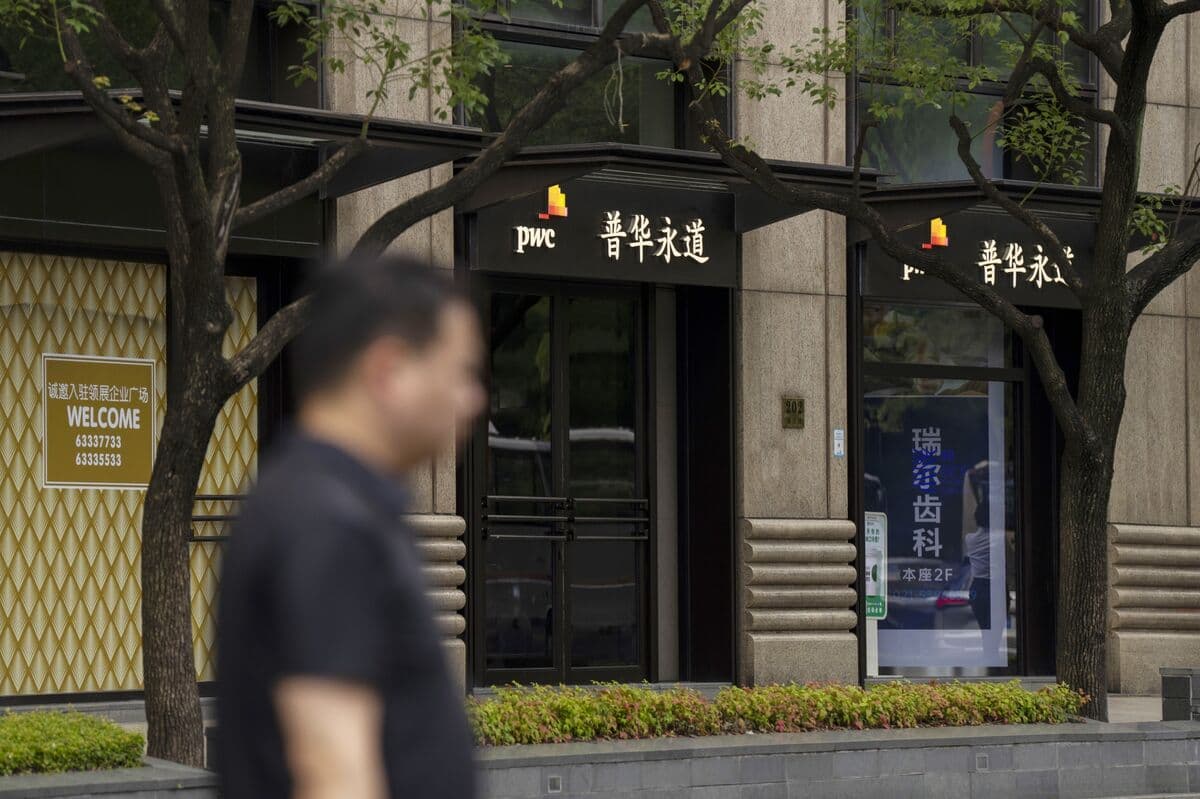
PwC Pays $166 Million to Settle HK Evergrande Audit Probe
Why It Matters
The settlement curtails PwC’s ability to win new listed‑company audit work in Hong Kong and signals tighter oversight of audit quality for high‑risk Chinese firms, affecting investor confidence and the broader audit market.
Key Takeaways
- •PwC pays HK$1.3 bn ($166 m) to settle Evergrande audit case
- •HK regulator imposes HK$300 m ($38 m) fine and six‑month suspension
- •Settlement ends a year‑long probe into Evergrande’s 2023 debt collapse
- •Audit suspension limits PwC’s ability to take new listed‑company clients
- •Highlights growing scrutiny of Big‑Four auditors in China’s market
Pulse Analysis
The fallout from China Evergrande Group’s 2023 debt default continues to reverberate across the global financial system. As the world’s second‑largest property developer collapsed, questions surfaced about the quality of the audits that cleared its balance sheet. In Hong Kong, the Accounting and Financial Reporting Council concluded that PwC’s audit work fell short of professional standards, prompting a HK$1.3 billion ($166 million) settlement and a separate HK$300 million ($38 million) fine. The regulator also imposed a six‑month ban on PwC issuing audit reports for new listed‑company clients, underscoring the seriousness of the breach.
The settlement sends a clear signal to the Big Four that regulatory tolerance is eroding, especially in markets where corporate governance remains fragile. PwC, which commands a dominant share of audit engagements in Greater China, now faces a temporary loss of revenue and a reputational dent that could sway multinational corporations toward rival firms. Analysts anticipate that the suspension may accelerate ongoing discussions in Hong Kong about tighter audit oversight, mandatory rotation of audit partners, and greater transparency in audit fee structures.
For investors, the case reinforces the need for heightened due diligence when evaluating Chinese real‑estate exposure. Evergrande’s collapse already wiped out billions of dollars in market value, and the audit controversy adds another layer of risk to balance‑sheet assessments. The episode may also prompt lenders and sovereign wealth funds to demand more robust third‑party verification before extending credit to heavily leveraged developers. In the longer term, the episode could catalyze reforms that align Chinese audit practices with international standards, potentially stabilizing capital flows into the country’s property sector.
PwC Pays $166 Million to Settle HK Evergrande Audit Probe
Comments
Want to join the conversation?
Loading comments...