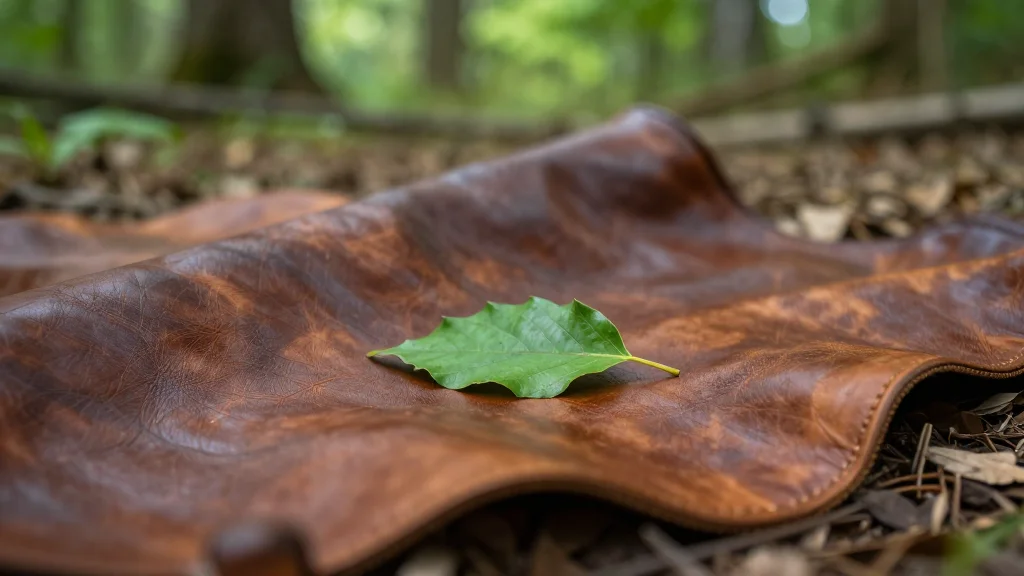
'Ridiculous Loophole': European Commission Proposes Exempting Leather Industry From Flagship Deforestation Rules
Companies Mentioned
Why It Matters
The exemption could reshape supply chains, giving EU leather producers a cost advantage but potentially undermining the EU’s commitment to halt deforestation. Its outcome will signal how the bloc balances economic competitiveness with climate goals.
Key Takeaways
- •EU draft would remove leather from EUDR compliance requirements
- •Proposed changes could lower industry compliance costs by roughly 75%
- •Environmental groups warn exemption may increase forest clearing for cattle
- •Leather producers argue exemption essential for competitiveness against Asian rivals
- •Parliament will debate the proposal before final adoption next year
Pulse Analysis
The EU Deforestation Regulation, introduced in 2023, obliges importers of commodities linked to forest loss to verify that their supply chains are free of illegal clearing. While the rule targets high‑risk products such as soy, palm oil, beef and timber, the leather industry has been a peripheral concern despite its reliance on cattle grazing and hides. By proposing a blanket exemption, the Commission argues that leather producers face disproportionate administrative burdens and that a simplified approach could cut annual compliance costs by roughly three‑quarters.
Environmental NGOs, however, warn that the exemption creates a dangerous loophole. Cattle rearing is a major driver of tropical deforestation, especially in Brazil and the Congo Basin, where pasture expansion often follows forest clearing. Removing leather from EUDR oversight could incentivise producers to source hides from regions with weaker enforcement, potentially reversing recent gains in forest protection. Critics also point out that the EU’s green credibility hinges on consistent application of its standards; selective exemptions risk eroding public trust and could embolden other sectors to seek similar carve‑outs.
Politically, the proposal will now face scrutiny in the European Parliament, where green‑focused parties are likely to push back. If adopted, the exemption could give EU leather firms a cost edge over Asian competitors that already operate under less stringent regulations, reshaping global market dynamics. Conversely, a rejection would reinforce the EU’s stance on comprehensive deforestation mitigation, signaling that economic considerations will not outweigh environmental commitments. Stakeholders across the supply chain—from cattle ranchers to fashion brands—are watching closely, as the final decision will set a precedent for how the EU balances industry competitiveness with its climate agenda.
'Ridiculous loophole': European Commission proposes exempting leather industry from flagship deforestation rules
Comments
Want to join the conversation?
Loading comments...