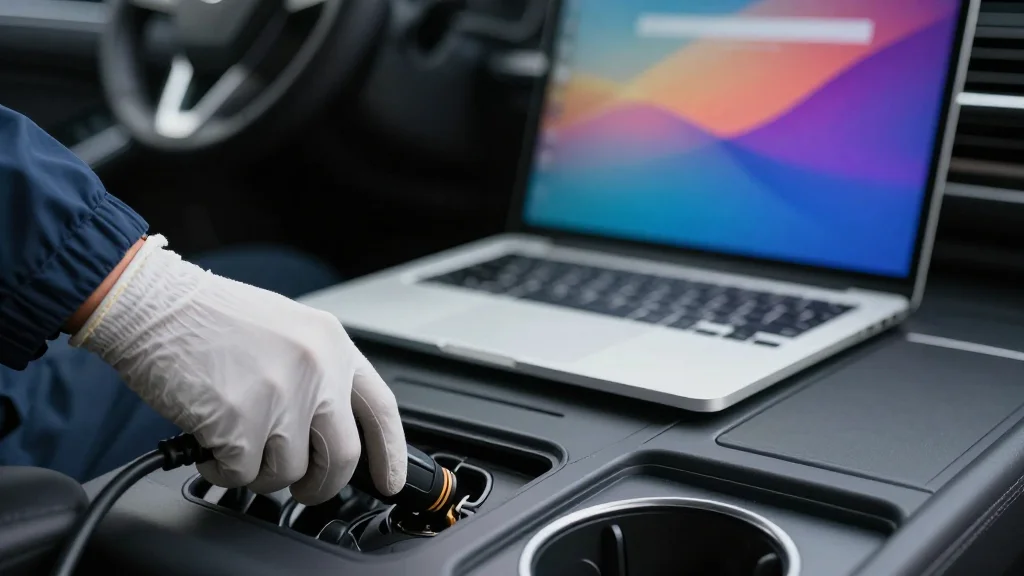
Right-to-Repair Laws Gain Political Momentum Across America

Why It Matters
The expanding legal framework lowers repair costs, boosts competition for independent service providers, and reshapes revenue streams for manufacturers across consumer electronics and automotive sectors.
Key Takeaways
- •Seven states have enacted comprehensive right-to-repair statutes.
- •57 bills are pending in 22 states this year.
- •Texas law starts Sept. 1, covering phones, laptops, tablets.
- •REPAIR Act mandates auto manufacturers share repair data with independents.
- •NFIB reports 89% of small businesses back right-to-repair.
Pulse Analysis
The right-to-repair movement has transitioned from niche advocacy to a mainstream legislative agenda, as evidenced by a dozen states passing sweeping reforms that cover everything from smartphones to farm equipment. This surge reflects growing consumer frustration over proprietary parts and software locks, and it aligns with a broader push for transparency in product design. Lawmakers are capitalizing on bipartisan sentiment, with Sen. Ben Ray Luján and Sen. Josh Hawley co‑sponsoring the REPAIR Act, a rare cross‑party effort that could set a national standard for automotive data access.
For small businesses, the implications are immediate and tangible. Independent repair shops and aftermarket parts manufacturers stand to gain a larger share of the market as manufacturers are compelled to disclose diagnostic codes, service manuals, and spare‑part specifications. The NFIB’s survey showing 89% support underscores how right-to-repair has become a priority for the nation’s largest small‑business lobby, promising lower operating costs for shop owners and more affordable options for consumers. Economists estimate that broader repair access could save U.S. households billions annually by extending product lifespans and reducing reliance on expensive dealer networks.
Looking ahead, the REPAIR Act could become the legislative linchpin that unifies state efforts into a federal framework, but it faces resistance from industry groups wary of intellectual‑property exposure and potential safety concerns. If enacted, the law would require automakers to provide secure, standardized data streams to third‑party technicians, a move that could spur innovation in diagnostic tools and aftermarket services. Conversely, manufacturers may lobby for exemptions or stricter data‑security provisions, shaping the next round of negotiations. Stakeholders should monitor upcoming committee hearings, as the outcome will likely dictate the pace at which right‑to‑repair principles become entrenched across the U.S. economy.
Right-to-Repair Laws Gain Political Momentum Across America
Comments
Want to join the conversation?
Loading comments...