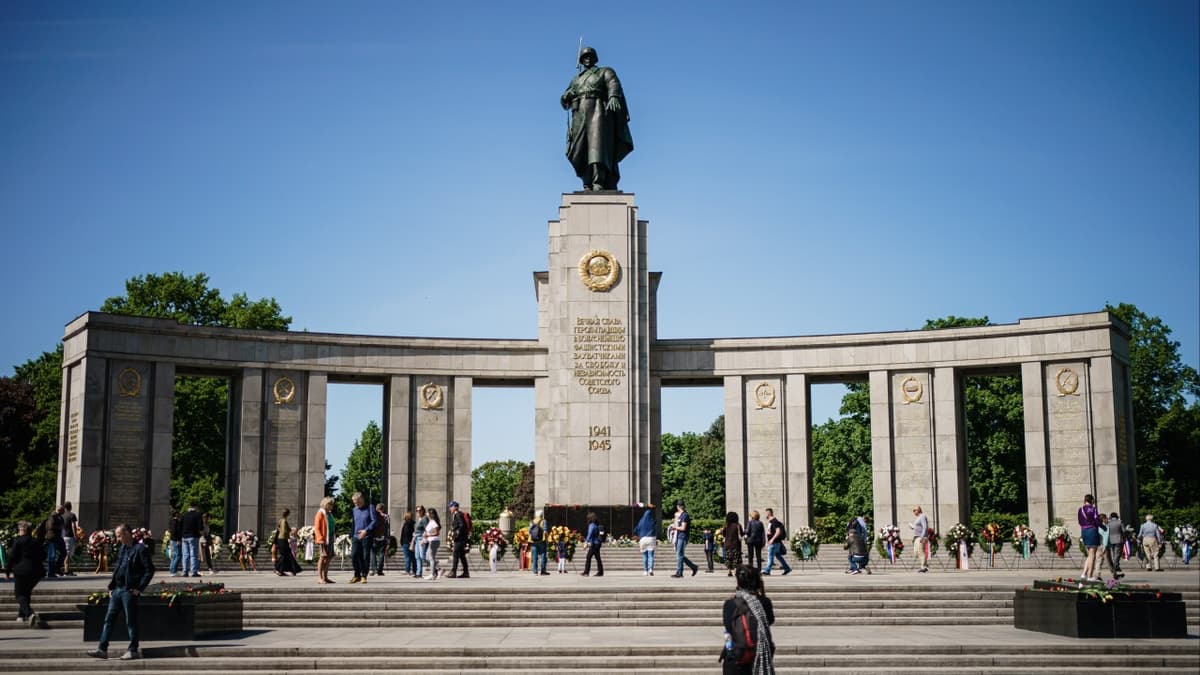
Russia Criminalises Denial of ‘Soviet Genocide’ by Nazis During World War II
Why It Matters
The legislation expands state control over historical discourse, threatening journalists, scholars, and activists while reshaping how World War II memory is politicized internationally.
Key Takeaways
- •Russia classifies Nazi crimes against Soviets as genocide
- •Denial punishable by up to three years imprisonment
- •Law bans desecration of Soviet war monuments worldwide
- •Penalties include fines up to three years' income or labour
- •Researchers risk prosecution for deviating from official narrative
Pulse Analysis
Russia’s new criminal‑code amendment marks a decisive shift in how the state frames World War II history. By officially branding Nazi crimes against the Soviet people as genocide, Moscow aligns legal terminology with a narrative that amplifies Soviet victimhood. The move mirrors a broader trend of governments using law to cement particular historical interpretations, and it diverges from the conventional legal definition of genocide, which focuses on groups such as Jews, Sinti, and Roma. This reclassification not only elevates the symbolic weight of Soviet sacrifices but also provides a legal scaffold for future cultural and diplomatic actions.
The law’s enforcement provisions carry immediate consequences for free expression. Individuals who publicly dispute the genocide label face up to three years of imprisonment, substantial fines, or forced labour, while the statute also criminalizes the desecration of Soviet war memorials worldwide. Scholars, journalists, and NGOs must now navigate a tighter legal environment, potentially curbing independent research and limiting debate about the Red Army’s complex legacy. The overseas application of the monument‑protection clause could affect ongoing debates in Germany, the Baltic states, and Ukraine, where many Soviet-era memorials are being reconsidered or removed.
Internationally, Russia’s stance adds a new layer to the politics of memory that has long divided East and West. Comparable denial laws—such as those targeting Holocaust denial in several European nations—demonstrate how states leverage criminal statutes to protect collective narratives. However, Russia’s approach uniquely intertwines historical interpretation with geopolitical signaling, reinforcing its claim to moral authority over the Great Patriotic War. As the law takes effect, it may influence diplomatic relations, cultural heritage negotiations, and the broader discourse on how societies confront contested pasts.
Russia criminalises denial of ‘Soviet genocide’ by Nazis during World War II
Comments
Want to join the conversation?
Loading comments...