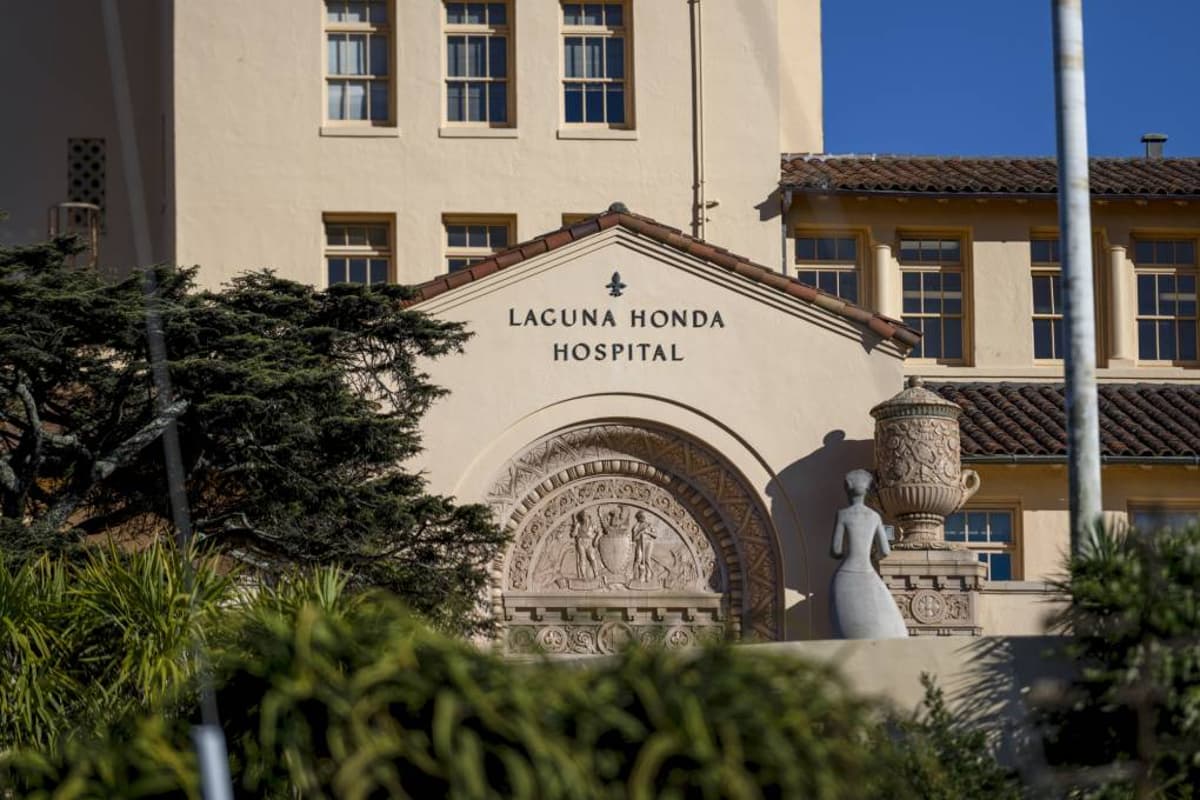
San Francisco to Pay Family Claiming Wrongful Death After Laguna Honda Transfers
•March 9, 2026
0
Why It Matters
The payout signals municipal accountability for patient‑rights violations and highlights systemic risks when hospitals prioritize regulatory compliance over continuity of care. It also pressures other public health facilities to reassess transfer protocols to prevent similar liabilities.
Key Takeaways
- •San Francisco to pay $500k settlement to Pham family.
- •Settlement follows Laguna Honda's 2023 recertification after safety failures.
- •Transfer trauma linked to multiple deaths during forced patient relocations.
- •City previously paid $5.8M in class-action elder abuse settlement.
- •Lawsuits highlight regulatory pressure and patient rights violations.
Pulse Analysis
The Laguna Honda saga illustrates how regulatory pressure can inadvertently create patient safety hazards. When state and federal agencies threatened the hospital with closure, officials accelerated discharges and transfers, often without adequate transition planning. This rushed relocation strategy, known as transfer trauma, has been linked to rapid health declines and deaths among frail, dementia‑affected residents. The Pham case, culminating in a $500,000 settlement, puts a human face on the abstract statistics, showing how policy decisions ripple through vulnerable populations.
Beyond the immediate legal repercussions, the settlement reflects broader trends in elder‑care litigation. Municipalities across the United States are increasingly scrutinized for how they manage public nursing facilities, especially those serving low‑income patients with complex needs. The earlier $5.8 million class‑action payout underscores a pattern of systemic abuse claims that can strain city budgets and erode public trust. Healthcare administrators now face a dual mandate: meet stringent certification standards while preserving continuity of care during unavoidable transfers.
For policymakers, the Laguna Honda episode offers a cautionary tale about balancing compliance with patient welfare. Future regulatory frameworks may need to incorporate safeguards that require comprehensive transfer plans, staff training, and post‑transfer monitoring to mitigate trauma. Hospitals and health departments should invest in coordinated care pathways that involve families, clinicians, and receiving facilities to ensure seamless transitions. By learning from these costly legal outcomes, cities can better protect vulnerable seniors and avoid the financial and reputational fallout of similar lawsuits.
San Francisco to Pay Family Claiming Wrongful Death After Laguna Honda Transfers
0
Comments
Want to join the conversation?
Loading comments...