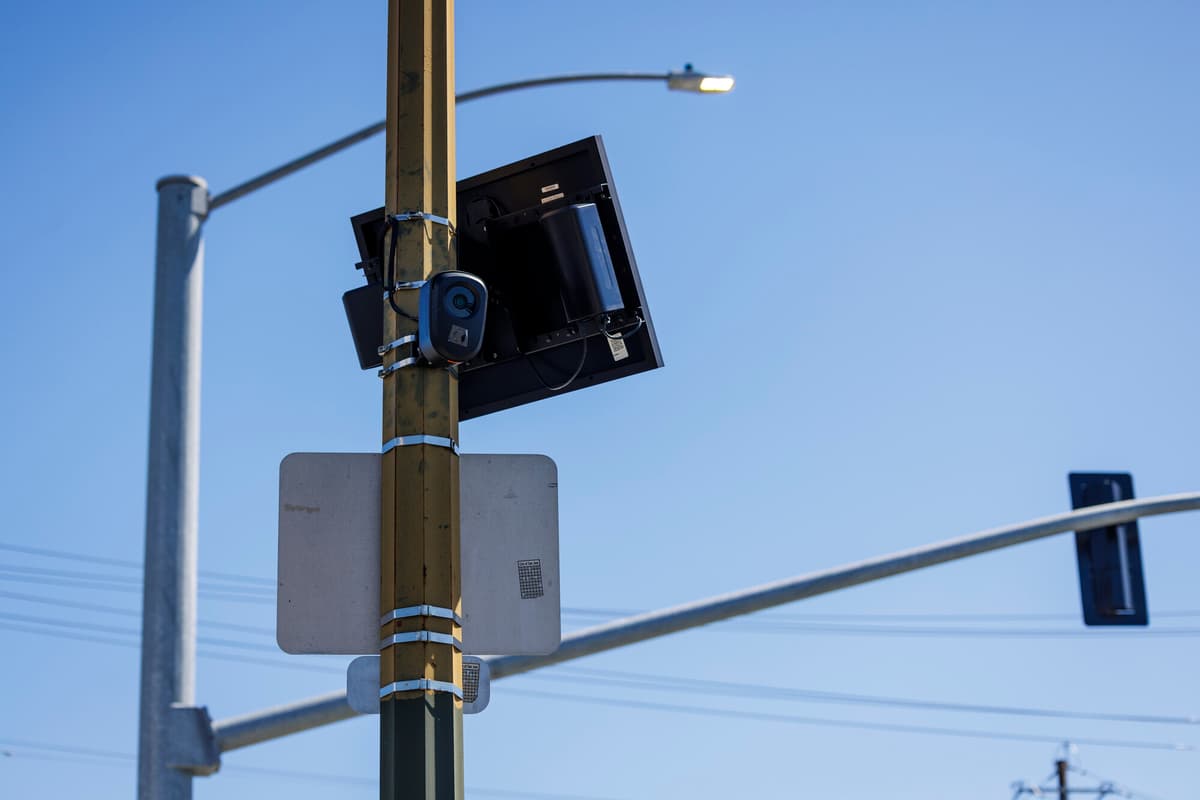
San José Residents Sue City, Saying Flock Safety Cameras Allow ‘Mass Surveillance’
Companies Mentioned
Why It Matters
The case spotlights the legal tension between public‑safety technology and constitutional privacy rights, potentially shaping how cities nationwide deploy ALPR systems.
Key Takeaways
- •San Jose operates ~470 Flock ALPR cameras citywide.
- •Plaintiffs allege Fourth Amendment violations from constant license‑plate tracking.
- •City council limited camera placement and cut data retention to 30 days.
- •Over two dozen U.S. municipalities have ended Flock contracts over privacy concerns.
- •Oakland and San Francisco continue expanding ALPR networks despite privacy criticisms.
Pulse Analysis
Automated license‑plate readers (ALPR) have become a staple of modern policing, promising faster suspect identification and traffic safety benefits. Yet the technology’s ability to capture every passing vehicle raises profound privacy questions, especially when data is stored long‑term or shared across jurisdictions. As municipalities scramble to balance security gains with civil‑liberties safeguards, the legal landscape is rapidly evolving, with courts increasingly asked to define the limits of warrant‑less surveillance.
In San Jose, the lawsuit filed by three residents underscores the friction between aggressive ALPR deployment and constitutional protections. By arguing that continuous, warrant‑free tracking constitutes an unreasonable search, the plaintiffs are testing the Fourth Amendment’s applicability to digital surveillance. The city’s recent policy tweaks—restricting camera locations near sensitive sites and trimming data retention to 30 days—reflect a reactive approach, but may not satisfy broader concerns about data aggregation and potential misuse. A class‑action outcome could force municipalities to adopt stricter data‑deletion mandates and transparent oversight mechanisms.
Nationally, the San Jose case adds momentum to a growing backlash against Flock Safety, whose data‑sharing model has drawn scrutiny from privacy advocates. More than two dozen cities have already terminated contracts, while others like Oakland double down, citing crime‑prevention successes. The divergent paths signal an industry at a crossroads: vendors must enhance privacy safeguards or risk losing market share, and lawmakers may soon introduce stricter regulations governing ALPR use. Stakeholders—from law‑enforcement agencies to civil‑rights groups—will be watching the San Jose litigation closely for precedents that could reshape the future of automated surveillance.
San José Residents Sue City, Saying Flock Safety Cameras Allow ‘Mass Surveillance’
Comments
Want to join the conversation?
Loading comments...