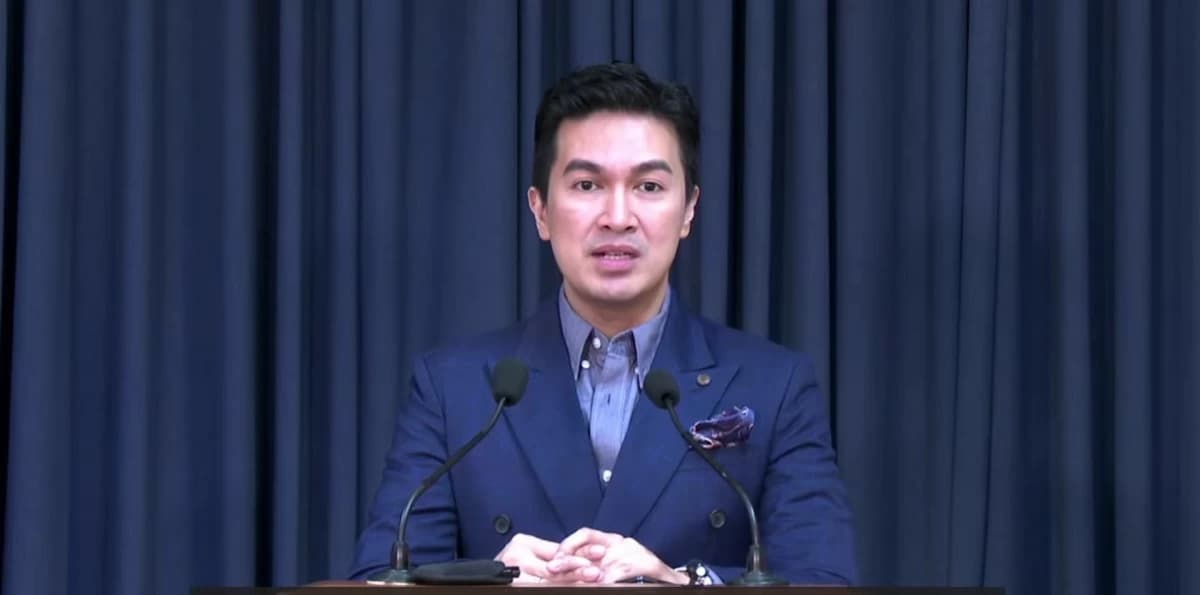
SC ‘Forthwith’ Clarification Vindicated Senate’s 2025 Impeachment Court, Ex-Spox Says
Why It Matters
The ruling sets a binding precedent on impeachment timelines, safeguarding the Senate’s independence and ensuring future proceedings balance urgency with procedural fairness.
Key Takeaways
- •SC defines “forthwith” as reasonable‑time action, not immediate
- •Decision backs Senate’s 2025 decision to delay Duterte impeachment trial
- •Ruling curtails pressure to rush impeachment proceedings
- •Sets precedent for future Philippine impeachment timelines
- •Reinforces Senate’s constitutional role as independent high court
Pulse Analysis
The Philippine Constitution mandates that impeachment proceedings commence "forthwith," a phrase that has sparked legal debate for decades. In the recent Catalino Aldea Generillo Jr. v. Senate case, the Supreme Court, sitting en banc, clarified that "forthwith" means action within a reasonable period, taking into account practical constraints. This interpretation aligns with longstanding jurisprudence that treats the term as elastic, allowing the Senate to organize a fair trial rather than rushing to meet an undefined deadline. The Court’s 14‑0‑1 decision thus resolves a procedural gray area that has hampered impeachment timelines in the past.
The clarification arrives amid a heated political environment, where former Senate President Chiz Escudero chose to defer the 2025 impeachment trial of Vice President Sara Duterte during a congressional recess. Critics, including prominent legal scholars, argued that the Senate was violating the Constitution by not acting immediately. Tongol, the former spokesperson for the impeachment court, emphasized that the Senate’s measured approach protected due process and prevented the trial from becoming a political spectacle. By rejecting the "instantaneous" reading of "forthwith," the ruling validates the Senate’s discretion to balance constitutional urgency with the need for thorough preparation, thereby preserving the integrity of the high court function of the upper chamber.
Looking ahead, the decision establishes a clear legal benchmark for any future impeachment or high‑profile accountability proceedings in the Philippines. Legislators and legal practitioners now have authoritative guidance that timelines must be reasonable, not dictated by public pressure or partisan haste. This precedent is likely to influence how the Senate schedules investigations, prepares evidence, and conducts hearings, ensuring that constitutional safeguards are not eroded by fleeting political winds. Ultimately, the ruling reinforces the separation of powers, bolsters confidence in the judicial system, and contributes to a more stable democratic process.
SC ‘forthwith’ clarification vindicated Senate’s 2025 impeachment court, ex-spox says
Comments
Want to join the conversation?
Loading comments...