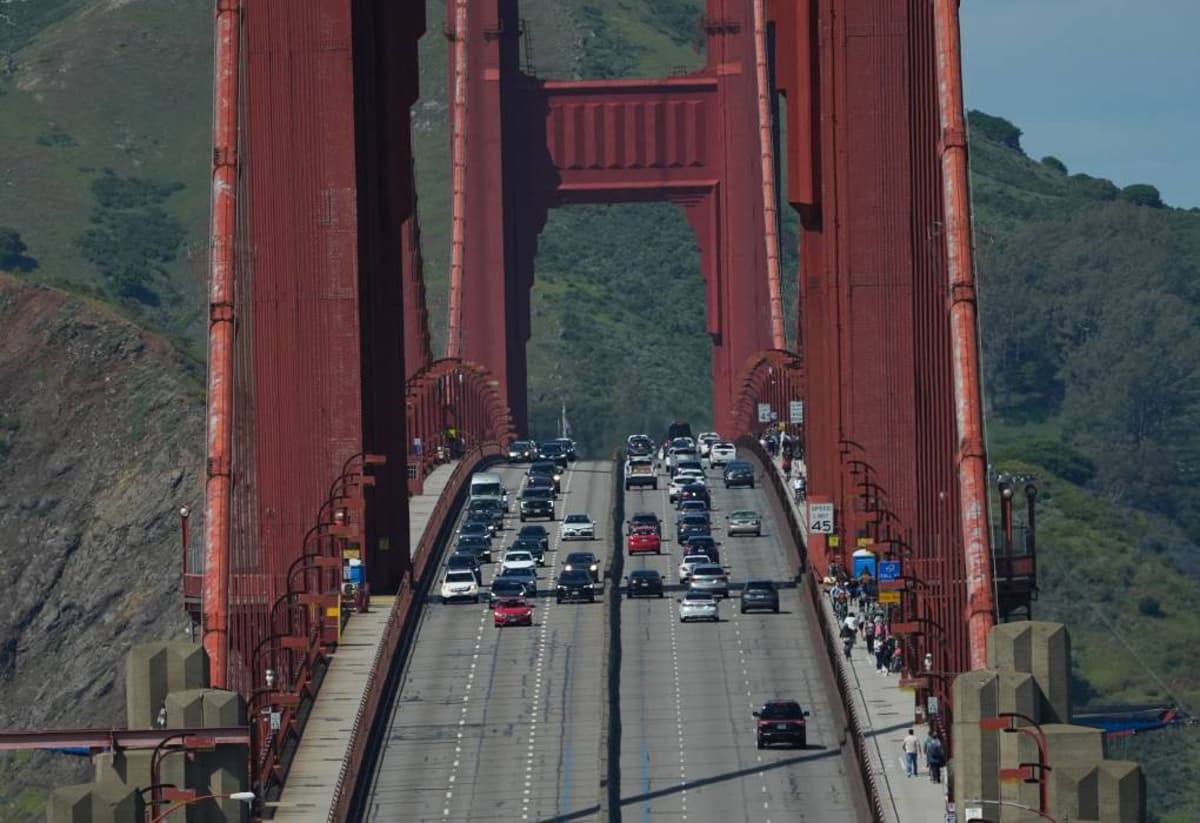
Search of Golden Gate Bridge Protesters’ Social Media Was Illegal, Attorneys Argue
Companies Mentioned

Why It Matters
The dispute spotlights the clash between law‑enforcement data collection and First Amendment protections, potentially reshaping how courts evaluate digital‑privacy warrants in protest‑related cases.
Key Takeaways
- •CHP obtained months of Facebook and Instagram data from Meta.
- •Defense claims warrant was overly broad, violating First Amendment rights.
- •Prosecutors seek felony conspiracy charges, up to 15 years imprisonment.
- •Restitution claim of $163,000 was withdrawn, but charges remain.
- •Case could set precedent for social‑media searches in protests.
Pulse Analysis
The Golden Gate Bridge blockade, part of a wave of pro‑Palestinian demonstrations, has become a legal flashpoint for digital privacy. While the California Highway Patrol argued that accessing three months of Meta data would help prove a coordinated conspiracy, the warrant’s scope—covering private messages, contact lists and even passwords—far exceeds the narrow factual basis traditionally required for search authorizations. This aggressive data grab reflects a growing trend of law‑enforcement agencies treating social‑media platforms as extensions of public records, despite the personal nature of the information involved.
Defense counsel Shaffy Moeel frames the issue as a First Amendment battle, contending that the state’s request amounts to a "map of political association" rather than evidence of criminal conduct. Courts have long required warrants to be particularized, and the Supreme Court’s Carpenter v. United States decision underscores the need for heightened scrutiny when the government seeks historical digital data. If a judge suppresses the Meta records, it could reinforce privacy safeguards for activists and set a higher bar for future warrants targeting online activity tied to expressive conduct.
Beyond the immediate case, the outcome may reverberate across the nation as prosecutors increasingly rely on tech‑company data to investigate protests, labor actions and other politically charged events. A ruling that curtails broad social‑media sweeps could compel law‑enforcement to adopt more targeted investigative techniques, preserving constitutional speech rights while still addressing genuine threats. Conversely, an affirmation of the warrant’s validity might embolden agencies to pursue expansive digital dossiers, reshaping the balance between public safety and civil liberties in the digital age.
Search of Golden Gate Bridge Protesters’ Social Media Was Illegal, Attorneys Argue
Comments
Want to join the conversation?
Loading comments...