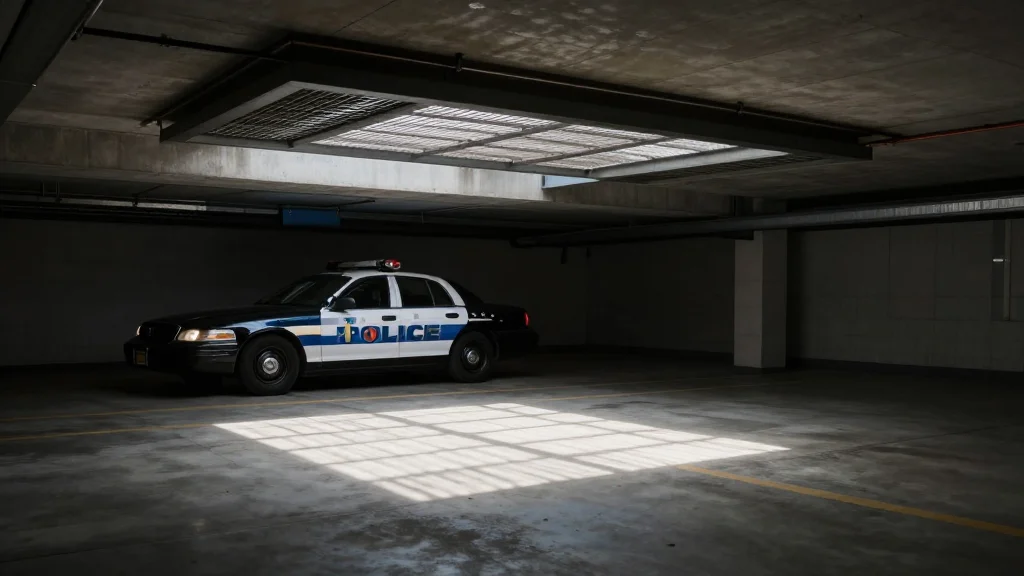
Seattle Officers File Lawsuit Against PD Leaders over Alleged Carbon Monoxide Exposure
Why It Matters
The lawsuit highlights potential legal and financial exposure for municipalities that neglect occupational‑health standards, prompting a reassessment of police facility safety nationwide.
Key Takeaways
- •Officers allege carbon monoxide exposure in West Precinct garage.
- •Over 200 officers may join class-action lawsuit.
- •Department knew of ventilation issues since 2015.
- •Prior 2024 case held city liable for similar exposure.
- •Symptoms include headaches, nausea, shortness of breath.
Pulse Analysis
The Seattle Police Department’s West Precinct has become the focus of a new class‑action lawsuit after officers allege chronic exposure to carbon monoxide and other exhaust gases in its underground garage and adjoining workspaces. Plaintiffs describe poorly ventilated patrol decks, bullpen and sergeants’ offices where patrol cars were routinely idled, creating a toxic environment that triggered headaches, nausea, vomiting and shortness of breath. Internal emails dating back to 2015 reportedly warned supervisors about the danger, yet the practice continued under the premise of protecting officers from potential ambushes.
The suit builds on a 2024 Washington Court of Appeals decision that held the city and police department liable for a similar exposure claim by Sgt. David Hockett. That precedent signals that municipalities can face substantial damages when they ignore occupational‑health standards, including costs for medical treatment, lost wages and punitive awards. For Seattle, potential liability could strain an already tight public‑safety budget, prompting officials to reassess ventilation upgrades, idle‑time policies, and compliance with OSHA’s permissible exposure limits for carbon monoxide or related pollutants in the workplace.
Beyond Seattle, the case underscores a growing awareness that law‑enforcement facilities must meet modern environmental‑health standards. Police departments nationwide are auditing garage ventilation, adopting electric‑vehicle fleets, and revising idle‑time protocols to mitigate similar risks. Failure to act not only endangers officers’ health but also exposes agencies to costly litigation and reputational damage. As municipalities grapple with budget constraints and the push toward greener operations, the Seattle lawsuit may accelerate adoption of cleaner technologies and stricter occupational‑safety oversight across the public‑safety sector. City leaders are also expected to engage independent auditors.
Seattle officers file lawsuit against PD leaders over alleged carbon monoxide exposure
Comments
Want to join the conversation?
Loading comments...