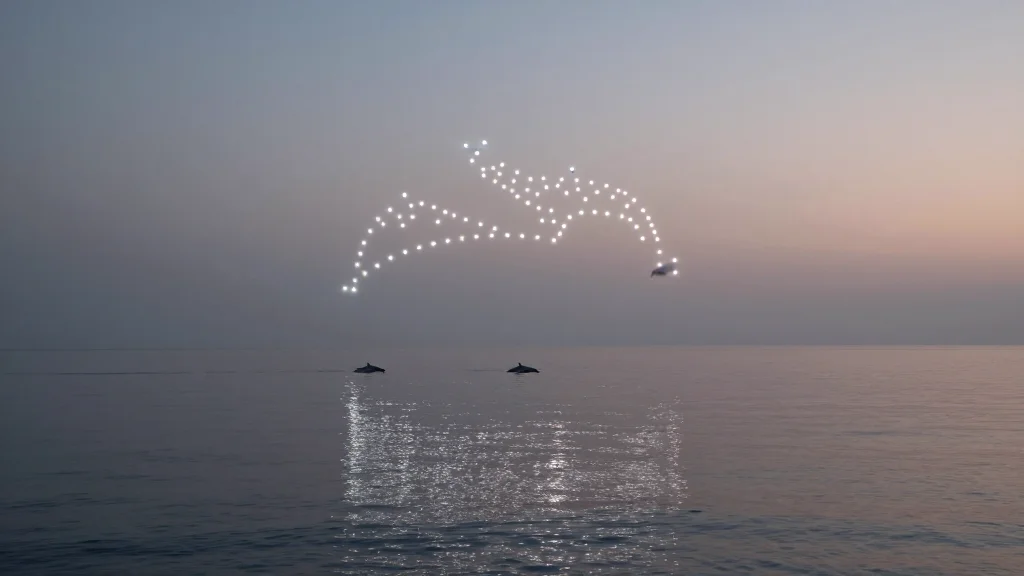
SeaWorld Ends Fireworks, Switches to Drones in $0 Settlement Over Clean Water Act Violation

Why It Matters
The settlement sets a precedent for using litigation to drive concrete environmental upgrades in the entertainment sector, showing that NGOs can achieve targeted outcomes without demanding industry‑wide bans. By mandating a measurable transition to low‑impact drone shows, the agreement provides a replicable model for other venues facing similar Clean Water Act challenges. It also underscores the growing regulatory focus on non‑point source pollution from cultural events, prompting parks and municipalities to reassess the hidden costs of traditional fireworks. Beyond the immediate environmental benefits, the case highlights the commercial viability of drone light shows as an alternative revenue stream. As technology costs fall and public appetite for innovative spectacles grows, more operators may adopt drones, reshaping the market for event production and creating new business opportunities for tech firms specializing in aerial choreography.
Key Takeaways
- •SeaWorld settles Clean Water Act lawsuit, ending fireworks at its San Diego park
- •Agreement includes a one‑year drone show pilot and up to 110 drone shows in the next year
- •Settlement requires stronger pollution‑prevention and cleanup measures for any remaining fireworks
- •California Coastal Commission approved the drone show plan, starting Memorial Day weekend
- •The case demonstrates how targeted litigation can force environmental policy changes without broad bans
Pulse Analysis
SeaWorld’s settlement reflects a broader shift in how environmental enforcement is being leveraged against high‑visibility, low‑impact activities. Historically, Clean Water Act actions focused on industrial discharges, but the inclusion of fireworks—an often‑overlooked source of perchlorates and heavy metals—signals regulators and NGOs are expanding the scope to cover recreational pollution. This evolution mirrors trends in other sectors where litigation has spurred rapid adoption of greener technologies, such as the push for electric delivery fleets after city lawsuits.
From a market perspective, the move to drone shows could catalyze a new niche in the entertainment ecosystem. Drone choreography firms stand to gain contracts worth millions as parks and municipalities seek compliant alternatives. At the same time, the settlement may pressure other coastal attractions to pre‑emptively adopt similar measures to avoid costly litigation. The requirement for a data‑driven pilot adds credibility, allowing SeaWorld to demonstrate that audience engagement does not suffer while environmental impact drops dramatically.
Looking ahead, the success of SeaWorld’s pilot could inform future policy drafts at the state and federal levels, potentially leading to stricter permitting requirements for fireworks near sensitive waterways. If the data shows measurable improvements in water quality and wildlife health, lawmakers may cite the case when drafting amendments to the Clean Water Act that explicitly address non‑point source pollutants from entertainment events. For investors, the story underscores the importance of monitoring ESG litigation trends, as they can quickly reshape operational costs and open new revenue streams for tech‑enabled sustainability solutions.
SeaWorld Ends Fireworks, Switches to Drones in $0 Settlement Over Clean Water Act Violation
Comments
Want to join the conversation?
Loading comments...