Senator Singles Out FCC Bureau Chiefs On ‘Equal Time’ Concerns
•February 24, 2026
0
Why It Matters
The challenge could reshape how broadcasters handle political content, affecting campaign strategies and First‑Amendment protections. Senate scrutiny may force the FCC to amend or clarify its equal‑time enforcement, impacting media‑law compliance costs.
Key Takeaways
- •Blumenthal alleges FCC misusing equal protection rule.
- •Concern focuses on candidate appearances on talk shows.
- •FCC acting bureau chief and enforcement head targeted.
- •Potential impact on broadcast fairness and campaign coverage.
- •Senate oversight may prompt regulatory review.
Pulse Analysis
The Federal Communications Commission’s equal‑time provision, rooted in the 1960 Communications Act, requires broadcasters to offer comparable airtime to legally qualified political candidates when they appear on a program that is not a bona‑fide news outlet. Historically, the rule has been applied sparingly, allowing stations to differentiate between editorial content and genuine news coverage. In recent months, the FCC’s Enforcement Bureau has issued guidance that some observers interpret as expanding the definition of “bona‑fide news,” effectively tightening the criteria for exempt programming. This shift has sparked debate among industry lawyers and advocacy groups about the rule’s original intent.
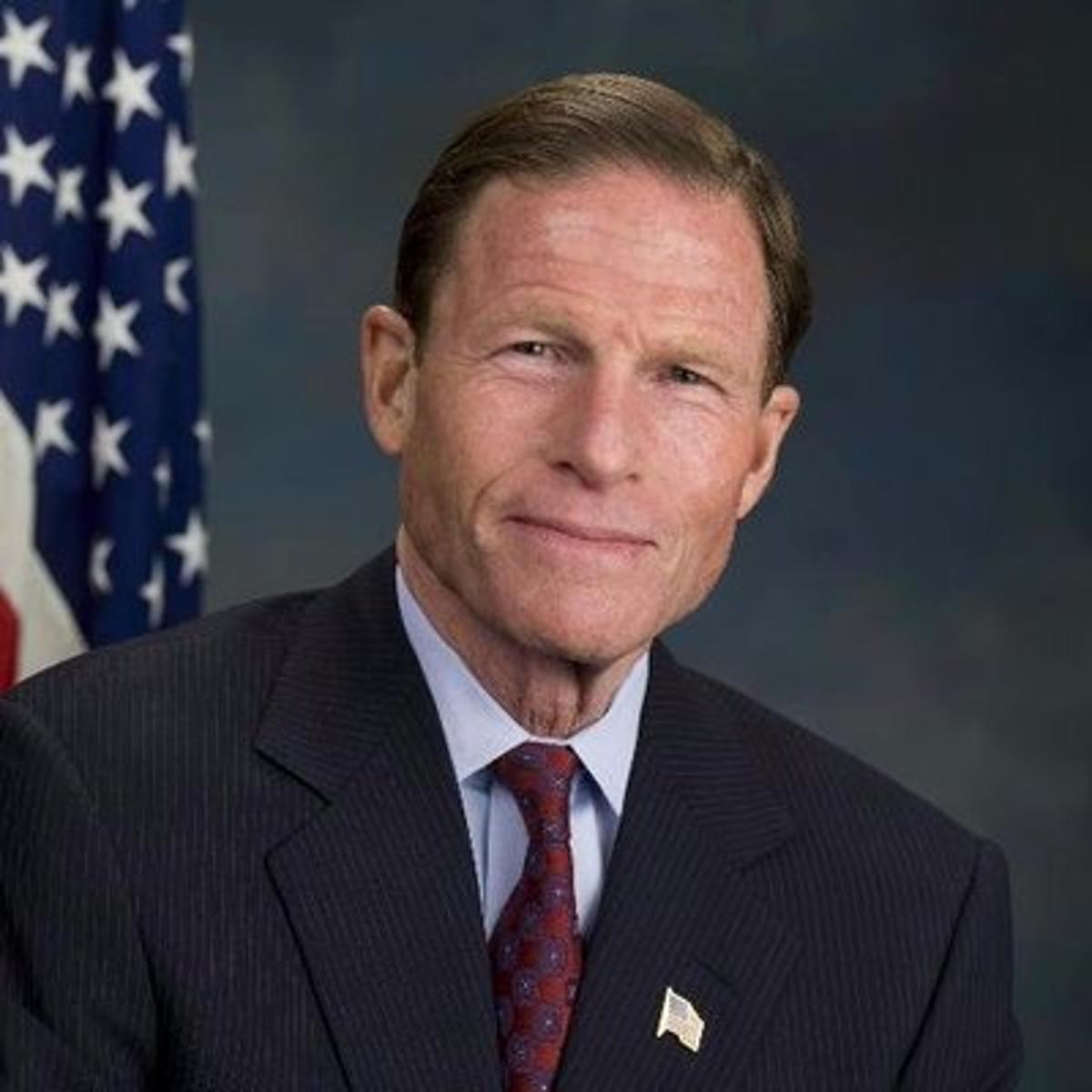
Senator Richard Blumenthal, chair of the Senate Commerce Committee’s communications subpanel, publicly singled out the acting FCC Bureau Chief and the head of the Enforcement Bureau, accusing them of weaponizing the equal‑time rule to curb political speech on talk shows, podcasts, and other non‑news formats. Blumenthal argues that the agency’s approach penalizes candidates who rely on popular platforms to reach younger voters, creating an uneven playing field that favors incumbents with greater access to traditional news outlets. Broadcasters fear compliance penalties, while campaign strategists worry about reduced exposure on high‑rating programs.
If the Senate pursues a formal inquiry, the FCC could face pressure to revise its guidance or roll back recent enforcement actions. Such a move would restore broader discretion for stations to host candidate interviews without triggering equal‑time obligations, potentially reshaping campaign advertising strategies across cable, streaming, and over‑the‑air networks. For advertisers and media buyers, clarity on the rule is essential to allocate budgets efficiently during election cycles. Ultimately, the dispute underscores the delicate balance between regulatory oversight and First‑Amendment freedoms in an increasingly fragmented media landscape.
Senator Singles Out FCC Bureau Chiefs On ‘Equal Time’ Concerns
0
Comments
Want to join the conversation?
Loading comments...