Why It Matters
The Senate’s response will either reinforce democratic accountability in the Philippines or deepen perceptions of political impunity, influencing both domestic trust and international credibility.
Key Takeaways
- •ICC issued arrest warrant for Senator Ronald dela Rosa.
- •Philippine Senate immunity covers only offenses ≤ six years imprisonment.
- •Crimes against humanity fall outside constitutional privilege.
- •Senate's response will signal commitment to rule of law.
- •Obstructing the warrant risks political impunity perception.
Pulse Analysis
The International Criminal Court on a recent session confirmed an arrest warrant for former police chief and now Senator Ronald “Bato” dela Rosa, accusing him of crimes against humanity tied to the Duterte administration’s anti‑drug campaign that left thousands dead. Dela Rosa, a high‑profile figure who helped shape the controversial “war on drugs,” now faces the rare scenario of a sitting Philippine senator being targeted by an international tribunal. The warrant underscores the ICC’s expanding reach into alleged state‑sanctioned atrocities and puts the Philippines at a crossroads between domestic political considerations and global accountability mechanisms.
The 1987 Philippine Constitution does grant legislators limited immunity from arrest, but only for offenses punishable by six years or less. Because crimes against humanity carry no such sentencing cap, the privilege does not shield Dela Rosa. Legal scholars argue that the Senate can ensure due process and humane treatment, yet it cannot transform the chamber into a sanctuary against lawful extradition or arrest. A coordinated, low‑key handover involving the National Bureau of Investigation, the Department of Justice, and Senate legal counsel would preserve institutional dignity while respecting the ICC’s mandate.
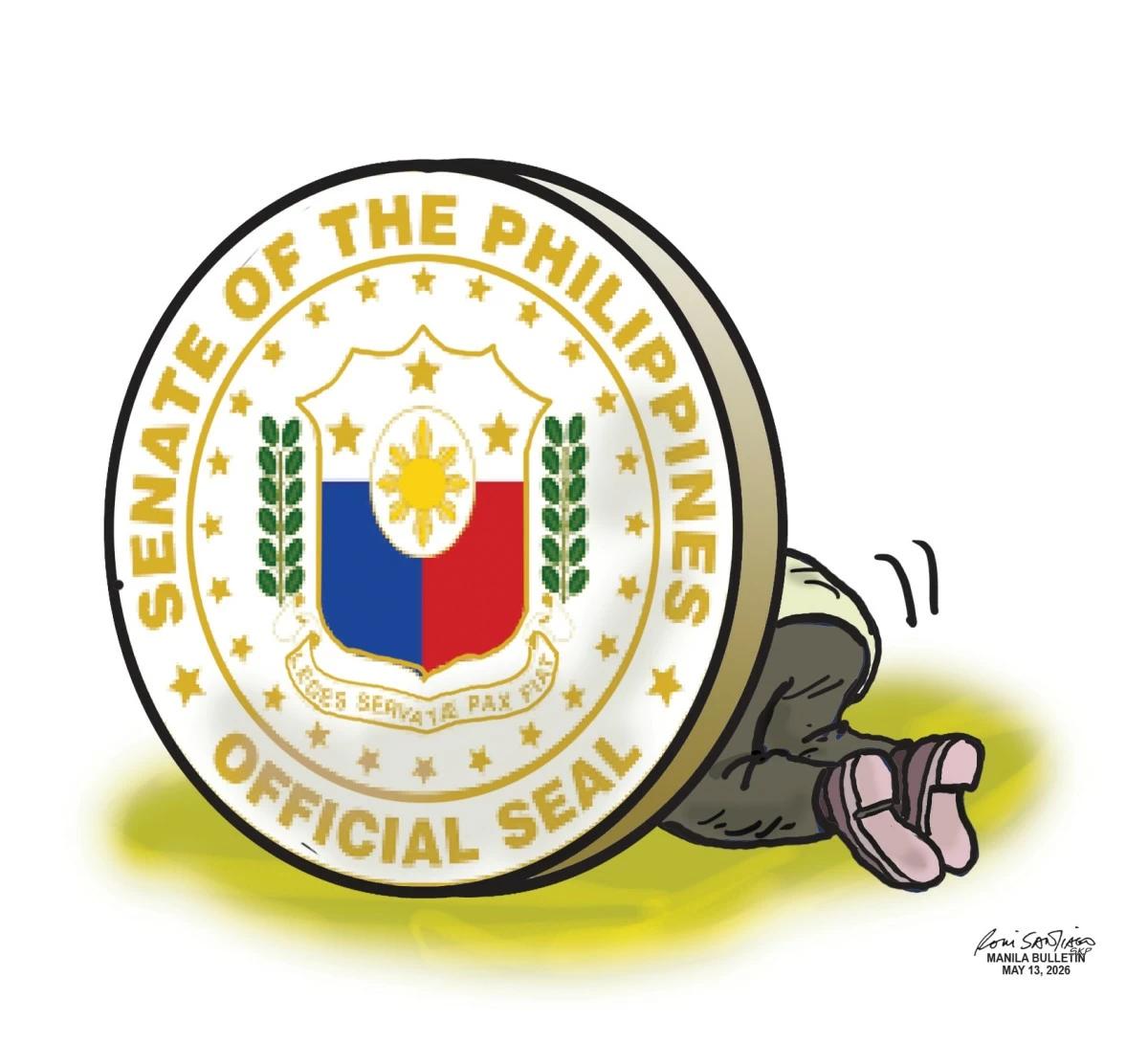
How the Senate handles the warrant will send a powerful signal to both domestic constituencies and the international community. Surrendering Dela Rosa would reaffirm that elected officials are not above the law, bolstering confidence among victims’ families and reinforcing the Philippines’ commitment to democratic norms. Conversely, using “protective custody” to block the arrest could erode public trust, portray the legislature as a shield for political allies, and invite criticism of selective sovereignty. The episode thus tests the balance between national sovereignty and universal human‑rights obligations, a dilemma increasingly common in an era of transnational justice.
Shield or surrender
Comments
Want to join the conversation?
Loading comments...