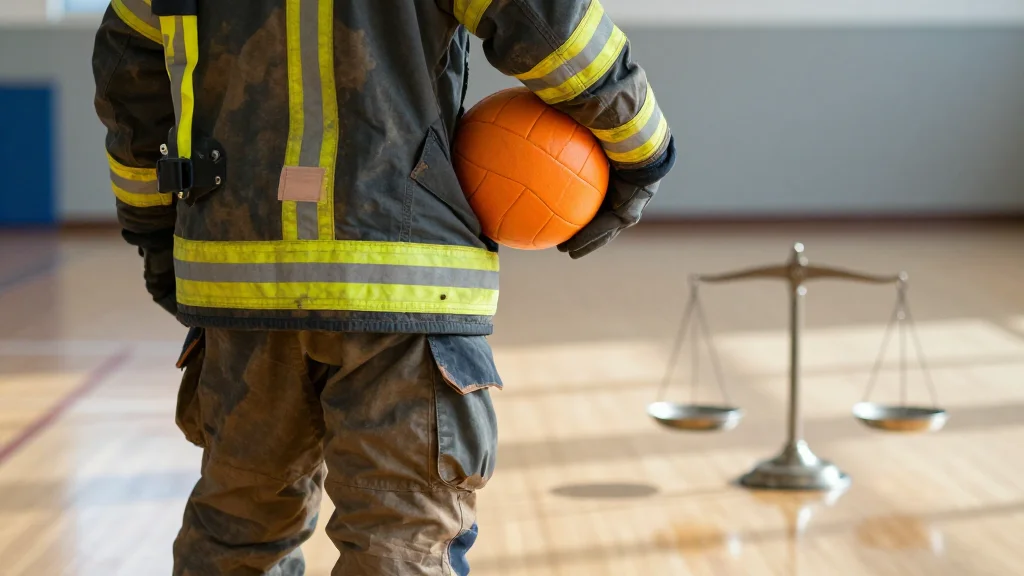
Should a Firefighter Hurt Playing Wallyball Be Given Workers' Comp?
Why It Matters
The ruling shows that employer‑sanctioned fitness programs can create workers’ comp liability, prompting public‑safety agencies to clarify on‑site activity policies.
Key Takeaways
- •Wallyball deemed competitive sport under broad policy definition
- •Pre‑authorized fitness games qualify for workers’ comp coverage
- •Physical‑fitness duties can extend beyond formal job descriptions
- •Panel relied on employer’s wellness guidelines to link injury to work
- •Decision may prompt agencies to clarify on‑duty activity policies
Pulse Analysis
The injury of a municipal firefighter while playing wallyball highlights a growing tension between occupational safety regulations and on‑duty wellness initiatives. Workers’ compensation statutes traditionally exclude injuries sustained during recreational sports, but many firehouses now embed structured fitness sessions into shift schedules to meet the physically demanding nature of the job. In this case, the initial denial hinged on a policy that treats sports injuries as non‑compensable unless they fall within narrow exceptions. The appeal forced the board to examine whether the game qualified as a pre‑authorized, job‑related activity.
The adjudicating panel applied a literal reading of the board’s definition of “competitive sport,” concluding that any activity played against an opposing side meets the threshold, regardless of league structure or prize incentives. By anchoring its decision to documented fitness mandates—such as collective‑agreement clauses requiring 60 to 90 minutes of on‑shift exercise—the panel demonstrated that employers can extend workers’ comp coverage to informal games that support core job competencies like teamwork and agility. This reasoning signals that fire departments nationwide must treat sanctioned physical games as integral components of duty performance.
Beyond firefighting, the ruling offers a template for any high‑risk employer that incorporates mandatory fitness programs. Companies may need to revise policy manuals, clarify which activities are pre‑approved, and ensure proper documentation to avoid costly disputes. Legal counsel often advises that when wellness initiatives are tied directly to job performance, injuries incurred during those activities are likely to be deemed compensable, prompting a reassessment of risk management strategies across the public‑sector workforce.
Should a firefighter hurt playing wallyball be given workers' comp?
Comments
Want to join the conversation?
Loading comments...