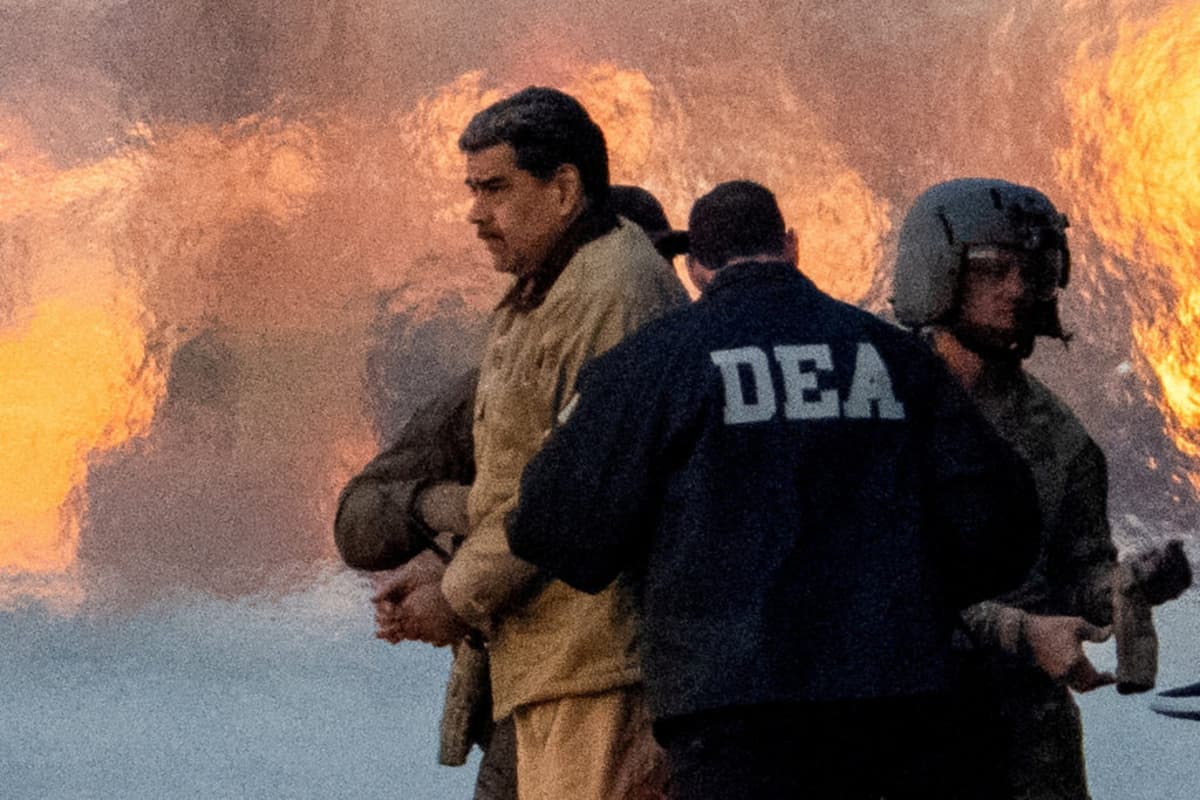
Soldier's Arrest over Polymarket Bet on Maduro Raid Fuels Insider Trading Concerns
Companies Mentioned
Why It Matters
The case spotlights regulatory blind spots in emerging prediction‑market venues, potentially prompting stricter CFTC oversight and safeguarding national‑security information from financial exploitation.
Key Takeaways
- •Special Forces soldier earned $400k betting on Maduro raid via Polymarket.
- •Indictment highlights lack of clear CFTC oversight for geopolitical prediction markets.
- •White House warned staff against using insider info for Iran war bets.
- •Trump administration cites national security laws to pursue insider‑trading case.
- •Potential regulation could reshape futures‑style betting on political events.
Pulse Analysis
Prediction markets have surged in popularity, offering users the chance to wager on outcomes ranging from elections to geopolitical events. Platforms such as Polymarket and Kalshi structure these wagers as futures‑style contracts, blurring the line between gambling and regulated commodity trading. The Maduro raid indictment is the first high‑profile case linking classified military intelligence to profit in this space, exposing how easily privileged information can be monetized when oversight is ambiguous.
Current U.S. financial regulation, primarily overseen by the Commodity Futures Trading Commission (CFTC), applies insider‑trading rules to commodities and futures but has yet to fully address bets on political or security events. The Department of Justice’s charge against the soldier invokes existing national‑security statutes, while the White House’s recent staff advisory signals growing governmental concern. Lawmakers are now drafting bills to extend CFTC jurisdiction and clarify ethical boundaries for federal employees, a move that could standardize reporting, enforce disclosure, and deter illicit exploitation of sensitive data.
If regulators act decisively, the prediction‑market industry could gain credibility, attracting institutional capital while protecting national interests. Conversely, lax oversight may erode public trust, prompting investors to shy away from platforms perceived as venues for insider abuse. The outcome will shape how financial markets interact with real‑time geopolitical risk, influencing everything from hedge‑fund strategies to the broader conversation about the morality of profiting from conflict.
Soldier's arrest over Polymarket bet on Maduro raid fuels insider trading concerns
Comments
Want to join the conversation?
Loading comments...