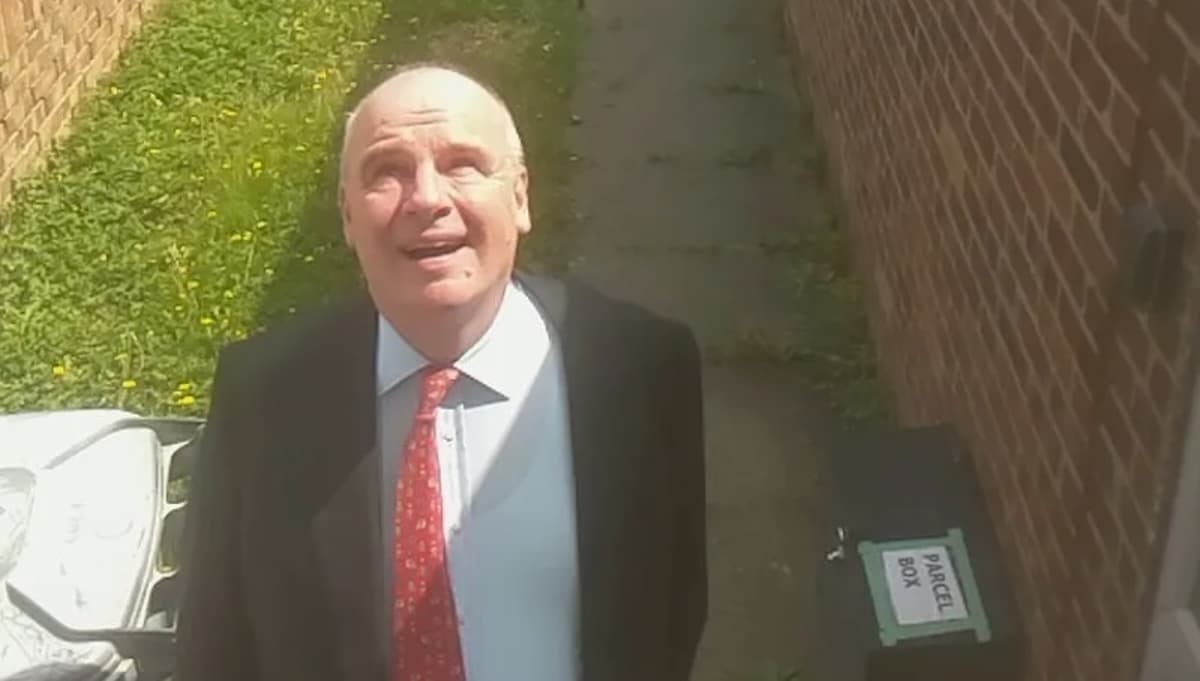
Solicitor Convicted of Stalking Legal Blogger Receives Community Order
•March 10, 2026
0
Why It Matters
The case underscores the legal profession’s duty to uphold ethical boundaries and signals tougher enforcement against solicitor misconduct, protecting journalists and the public’s trust in the law.
Key Takeaways
- •Solicitor sent 124 harassing messages to legal blogger
- •Court imposed 24‑month community order with 300 hours work
- •Seven‑year restraining order bans any contact with blogger
- •SRA previously restricted solicitor’s practising certificate
- •Appeal planned by solicitor’s barrister
Pulse Analysis
The legal sector relies heavily on public confidence, and breaches of professional conduct can erode that trust quickly. When a solicitor crosses the line into personal harassment, it not only violates criminal stalking statutes but also contravenes the Solicitors Regulation Authority’s ethical standards. This case highlights how the judiciary and regulators are aligning to enforce stricter boundaries, ensuring that lawyers cannot leverage their status to intimidate critics or journalists.
Stalking without fear, the charge applied to Milne, reflects the UK’s robust approach to harassment, especially when the target is a media figure covering court affairs. The 24‑month community order, coupled with 300 hours of unpaid work and a seven‑year restraining order, demonstrates the courts’ willingness to impose substantive non‑custodial penalties. Moreover, the prior SRA restriction on Milne’s practising certificate illustrates a layered regulatory response, signaling to the profession that repeated misconduct will trigger escalating sanctions.
For legal bloggers and other commentators, the ruling serves as a precedent that their safety is a priority, even against legal professionals. Firms must reinforce internal compliance training, emphasizing respect for external criticism and clear boundaries. As the solicitor prepares an appeal, the broader message remains clear: ethical lapses will attract coordinated action from both the courts and the SRA, reinforcing the profession’s commitment to integrity and public accountability.
Solicitor convicted of stalking legal blogger receives community order
0
Comments
Want to join the conversation?
Loading comments...