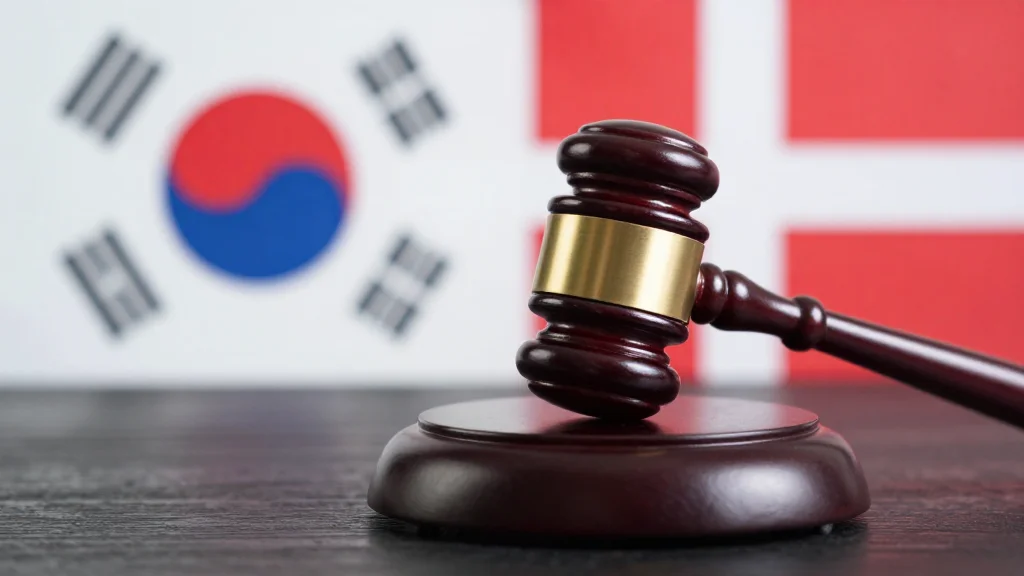
South Korean Adoptees Sue Denmark over Right to Know Birth Families
Why It Matters
The case could force Denmark to acknowledge past adoption abuses and reshape international adoption oversight, impacting thousands of adoptees and future cross‑border child‑welfare policies.
Key Takeaways
- •Denmark facilitated 7,220 South Korean adoptions (1970‑1989)
- •Adoptees claim adoption papers falsely listed them as street orphans
- •Plaintiffs seek 250,000 kroner (~$38,800) each in damages
- •Danish agencies paid ~54 million kroner ($8.4M) for adoptions
- •Denmark froze international adoptions in 2024 after scandals
Pulse Analysis
South Korea’s post‑war adoption surge sent more than 140,000 children abroad between 1955 and 1999, making it the world’s largest source of international adoptions. While many families welcomed the opportunity for a new life, a substantial share of those placements were orchestrated without genuine consent, often by misrepresenting children’s circumstances. The practice has left a generation of adoptees grappling with identity gaps, prompting calls for transparency and reparations that echo broader human‑rights debates about state‑sanctioned child relocation.
Denmark’s involvement, highlighted by the recent lawsuit filed by eight adoptees, underscores systemic failures in cross‑border adoption oversight. Between 1970 and 1989, Danish state‑run agencies arranged the adoption of 7,220 South Korean children, largely labeling them as abandoned street youths despite evidence they originated from orphanages. A 2024 report by the National Social Appeals Board confirmed that Danish officials were aware of identity alterations and that the program cost roughly 54 million kroner (about $8.4 million). The plaintiffs’ demand for 250,000 kroner per person reflects both personal loss and a push for state accountability.
The legal action arrives as Denmark froze all international adoptions in 2024, signaling a policy shift driven by mounting scandals. If the courts rule against the Danish state, the decision could set a precedent for other nations to revisit historic adoption contracts and compensate affected individuals. Moreover, the case may accelerate global reforms, encouraging stricter provenance checks, transparent record‑keeping, and mechanisms for adoptees to access their biological heritage—steps essential for restoring trust in international child‑welfare systems.
South Korean adoptees sue Denmark over right to know birth families
Comments
Want to join the conversation?
Loading comments...