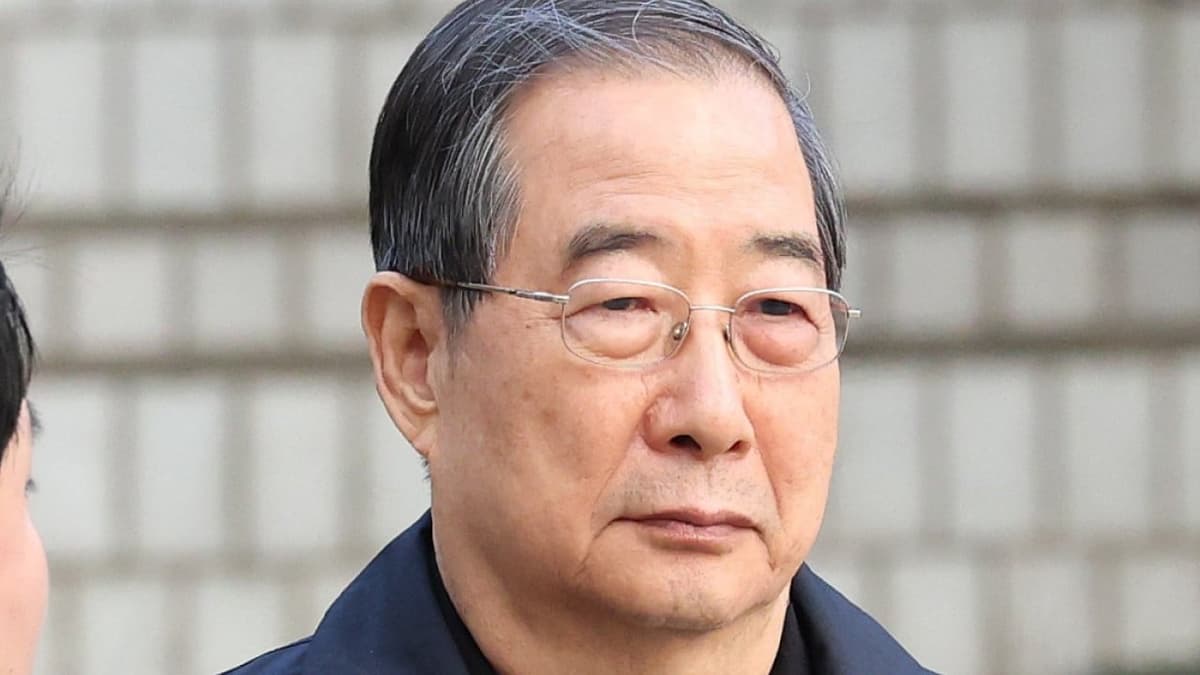
South Korean Court Cuts Former Prime Minister Han Duck-Soo’s Jail Term to 15 Years
Why It Matters
The reduced sentence signals South Korea’s commitment to judicial independence while still holding senior officials accountable for undermining democratic order, influencing both domestic stability and foreign investor confidence.
Key Takeaways
- •Han Duck-soo's term reduced from 23 to 15 years
- •Convictions upheld despite sentence reduction
- •Court cited 50 years of public service as mitigating factor
- •Yoon Suk-yeol's 2024 martial law decree sparked brief chaos
- •Appeal underscores South Korea's judicial independence amid politics
Pulse Analysis
The December 2024 martial law proclamation by President Yoon Suk‑yeol marked an unprecedented interruption of South Korea’s democratic routine. Intended to consolidate power, the decree lasted only six hours before a swift parliamentary vote restored civilian rule, but the episode exposed vulnerabilities in the nation’s political architecture. Analysts view the incident as a litmus test for the resilience of South Korean institutions, especially given the country’s strategic importance in regional security and technology supply chains.
Han Duck‑soo, who served as prime minister and accumulated over 50 years in public office, was convicted for facilitating Yoon’s illegal declaration. A lower court initially imposed a 23‑year term, reflecting the gravity of subverting constitutional order. On appeal, judges reduced the sentence to 15 years, emphasizing his long‑standing public service as a mitigating circumstance. While the convictions remain, the sentence reduction illustrates the judiciary’s nuanced balancing act between punitive measures and recognition of a career public servant’s contributions.
The appellate ruling carries broader implications for South Korea’s rule of law and investor perception. By upholding the core convictions, the courts reinforce a zero‑tolerance stance toward attempts to erode democratic norms, reassuring markets that political risk is being managed through institutional checks. Simultaneously, the sentence mitigation may signal a measured approach that avoids overly punitive outcomes, which could destabilize the political elite. For foreign businesses and allies, the case underscores South Korea’s commitment to legal accountability, a factor that can influence decisions on capital allocation and strategic partnerships in the region.
South Korean court cuts former prime minister Han Duck-soo’s jail term to 15 years
Comments
Want to join the conversation?
Loading comments...