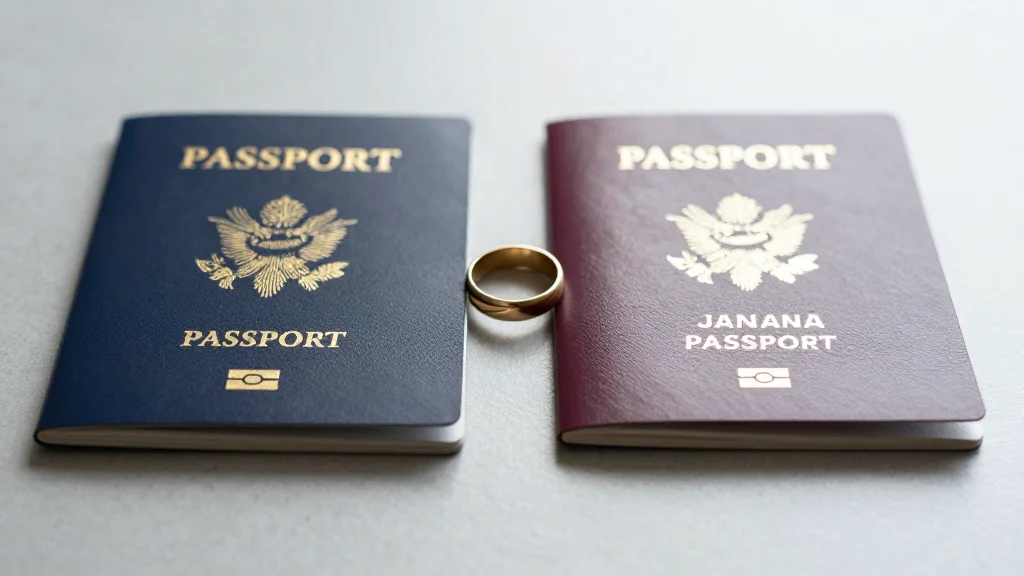
Strange Guidance From the US Embassy in Tokyo on Affidavits of Civil Status
Key Takeaways
- •Embassy stops notarizing affidavits for U.S. citizens marrying in Japan
- •Federal government lacks centralized marriage records, limiting verification ability
- •Consular notaries can add waivers, but cannot guarantee statement truthfulness
- •Policy may strain U.S. expats, prompting reliance on Japanese civil procedures
Pulse Analysis
Consular notarizations have long been a practical bridge for Americans abroad, allowing them to certify documents such as affidavits of competency to marry. Under 22 C.F.R. § 92.10, notaries may attach waivers of responsibility but are not required to verify the truth of sworn statements. Historically, U.S. embassies provided this limited service to streamline cross‑border marriages, even though the federal government does not maintain a national marriage registry. The practice relied on the applicant’s oath and the notary’s limited liability, offering a low‑cost, trusted option for expatriates.
The Tokyo embassy’s abrupt policy shift stems from the same structural reality it cites: the United States records marriage events at the state level, leaving the federal government without a reliable database to confirm an individual’s civil status. Recent informal feedback from Japanese municipal offices suggests growing frustration with inaccurate affidavits, prompting the embassy to eliminate a service it cannot substantively verify. By discontinuing the notarization, the embassy shifts the burden entirely onto Japanese authorities, forcing U.S. citizens to navigate local documentation requirements, such as obtaining a Japanese family register excerpt or a certified divorce decree, which can be time‑consuming and costly.
The broader implication is a tightening of consular services where verification challenges arise. As other U.S. posts confront similar gaps—particularly in countries with strict marriage registration rules—they may follow Tokyo’s lead, limiting notarial assistance for civil status declarations. Expatriates and legal practitioners should proactively seek alternative documentation, consider private notary services, or engage local counsel to ensure compliance. Monitoring future State Department guidance will be essential for anyone planning an international marriage, as the balance between convenience and legal certainty continues to evolve.
Strange guidance from the US embassy in Tokyo on affidavits of civil status
Comments
Want to join the conversation?