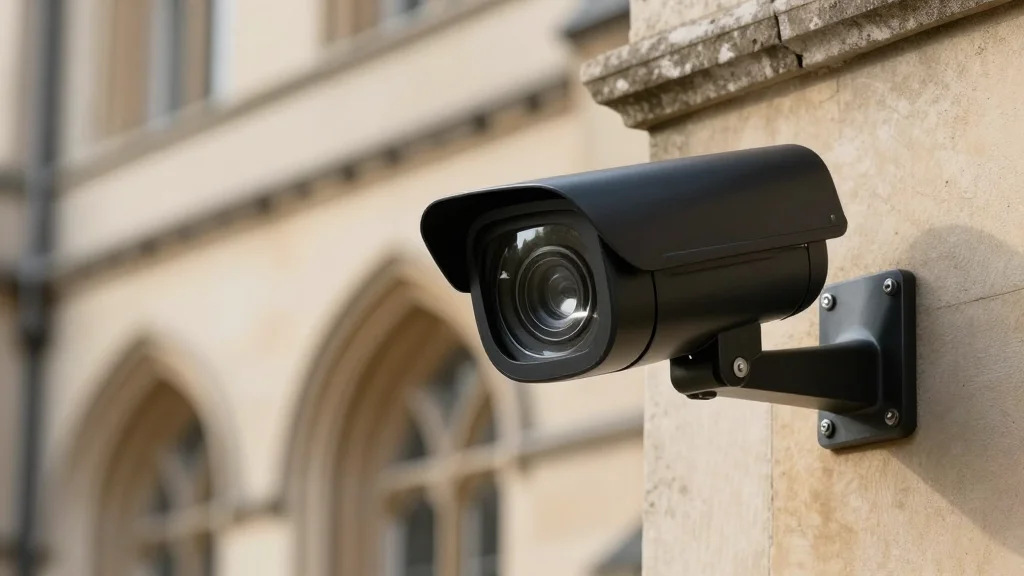
Students Injured in Brown University Shooting Sue School over Alleged Security Failures
Why It Matters
The case highlights growing legal exposure for universities that lack robust threat‑detection protocols, potentially reshaping campus safety standards nationwide. It also pressures higher‑education institutions to invest in more proactive security measures to avoid costly litigation.
Key Takeaways
- •Lawsuits claim Brown ignored custodian’s warning about shooter
- •Campus police placed on leave during security policy review
- •Victims allege inadequate surveillance and building access controls
- •Legal action may set precedent for university liability
- •Incidents spur broader debate on campus safety investments
Pulse Analysis
The Dec. 13 shooting at Brown University, which claimed the lives of sophomore Ella Cook and freshman Mukhammad Aziz Umurzokov and injured nine others, has now spawned civil litigation. Three injured students allege that the university failed to act on a custodian’s tip that the gunman, former graduate student Claudio Neves Valente, was "casing" the academic building. Their complaints assert that Brown’s security apparatus was insufficient, lacking timely investigation, adequate camera coverage, and controlled entry points, thereby breaching the duty of care owed to students and staff.
This lawsuit arrives amid a wave of campus‑security lawsuits across the United States, where institutions face heightened scrutiny after high‑profile shootings. Legal experts note that universities may be held liable if they neglect reasonable security measures, especially when prior warnings are documented. The case could compel Brown and peer schools to reevaluate emergency‑response protocols, invest in advanced surveillance technology, and adopt stricter access controls. Moreover, it underscores the potential financial ramifications of negligence, as settlements or judgments can run into millions, influencing budgeting priorities for safety initiatives.
Beyond Brown, the litigation signals a broader shift in higher‑education risk management. Administrators are now balancing open‑campus ideals with the necessity for hardened security infrastructure. As federal and state regulators consider tighter safety mandates, universities may preemptively adopt comprehensive threat‑assessment programs and real‑time monitoring solutions. The outcome of Brown’s lawsuits will likely serve as a benchmark for future cases, shaping how institutions document warnings, train personnel, and allocate resources to protect their communities.
Students injured in Brown University shooting sue school over alleged security failures
Comments
Want to join the conversation?
Loading comments...